

Basic information
- CAS
76-04-0- Standard SMILES
O=C(O)C(F)(F)Cl- InChIKey
OAWAZQITIZDJRB-UHFFFAOYSA-N- Molecular formula
- C2HClF2O2
- Average molar mass
- 130.48 g/mol
- Monoisotopic mass
- 129.96331339
Overview
RN given refers to parent cpd; structure given in first source
Names & identifiers
- Preferred name
- Chlorodifluoroacetic acid
- IUPAC
- 2-chloro-2,2-difluoroacetic acid
- English name
- Chlorodifluoroacetic acid
- Molecular formula
- C2HClF2O2
- Molecular weight
- 130.48
Names & synonyms
Chlorodifluoroacetic acid76-04-0Acetic acid, chlorodifluoro-Acetic acid, 2-chloro-2,2-difluoro-NSC-60298CPP4X8QU8RDTXSID8058792RefChem:125395DTXCID0047824200-928-82-chloro-2,2-difluoroacetic acidC2HClF2O2
Show more names
ChlorodifluoroaceticCDFARARECHEM AL BO 1535DifluorochloricacidChlordifluoressigsurechlrodifluoroacetic acidchlorodifluoro-aceticaci
2-chloro-2,2-difluoro-acetic acidEINECS 200-928-8MFCD00004176NSC 60298AI3-52628difluorochloroacetic acidChlorodifluoroaceticacidchloro(difluoro)acetic acid
Database identifiers
- CAS
76-04-0- PubChem CID
- 66154
- DTXSID
DTXSID8058792- UNII
- CPP4X8QU8R
- EC Number
- 200-928-8
- Nikkaji
- J5A
Properties
Computed structural properties
- XLogP
- 1.2
- Topological polar surface area
- 37.3 Ų
- Hydrogen bond donors
- 1
- Hydrogen bond acceptors
- 4
- Rotatable bonds
- 1
- Heavy atoms
- 7
- Formal charge
- 0
- Complexity
- 91.7
Experimental & physicochemical properties
Chemical ClassesOther Classes -> Organic Acids
SpringerMaterials PropertiesNuclear quadrupole resonance spectroscopy
Physical DescriptionClear colorless to light brown liquid; mp = 20 deg C; [Acros Organics MSDS]
Physicochemical properties
- Melting point
- 20 · 20-23 °C (lit.)
- Boiling point
- 122 °C · 122 °C (lit.)
- Density
- 1.54 g/mL · 1.54 g/mL at 25 °C (lit.)
- refractive index
- 20 · n20/D 1.355(lit.)
- Flash point
- 121 · 121-122°C
- storage temp.
- Inert atmosphere,Room Temperature
- form
- clear liquid
- pka
- 1 · pK1: 0.46 (25°C)
- color
- Colorless to Brown
Safety & regulation
Safety information is for reference only and does not replace the supplier’s Safety Data Sheet (SDS), applicable regulations, or professional assessment.
GHS classification
GHS Classification
Danger
H314 (100%): Causes severe skin burns and eye damage [Danger Skin corrosion/irritation]
P260, P264, P264+P265, P280, P301+P330+P331, P302+P361+P354, P304+P340, P305+P354+P338, P316, P317, P321, P363, P405, and P501 (click each P-code to see the statement)
Aggregated GHS information provided per 76 reports by companies from 5 notifications to the ECHA C&L Inventory. Each notification may be associated with multiple companies.
Hazard information
Regulatory InformationChemical: Acetic acid, chlorodifluoro-
Hazards SummaryCauses burns and lachrymation; Inhalation may cause corrosive injuries to upper respiratory tract; [Acros Organics MSDS] See Dichloroacetic acid, Trichloroacetic acid, and Trifluoroacetic acid.
Hazard Classes and CategoriesSkin Corr. 1B (100%)
Toxicology
Adverse EffectsDermatotoxin - Skin burns.
Safety data
- F
- 19
- PPE
- Faceshields, Gloves, Goggles, type ABEK (EN14387) respirator filter
- wgk
- 3
- tsca
- TSCA listed
- ridadr
- UN 3261 8/PG 2
- hs_code
- 29159080
- risk_code
- 35
Chemistry & industry
Uses & manufacturing
General Manufacturing InformationAcetic acid, 2-chloro-2,2-difluoro-: ACTIVE
Applications
UsesIt is employed as a starting material for generating difluorocarbene. It is also used as a pharmaceutical and agrochemicals intermediate.
Upstream & downstream products
Downstream products
Suppliers100 total
梯希爱(上海)化成工业发展有限公司021-67121386 · [email protected]
上海阿拉丁生化科技股份有限公司400-6206333 13167063860 · [email protected]
南通润丰石油化工有限公司66017690 19952660367 · [email protected]
常州新氟化学有限公司13275212658 · [email protected]
温州共赢化学有限公司+86-0086-577-64498589 +86-15355981851 · [email protected]
INTATRADE GmbH+49 3493/605464 · [email protected]
Related reactions
40 records

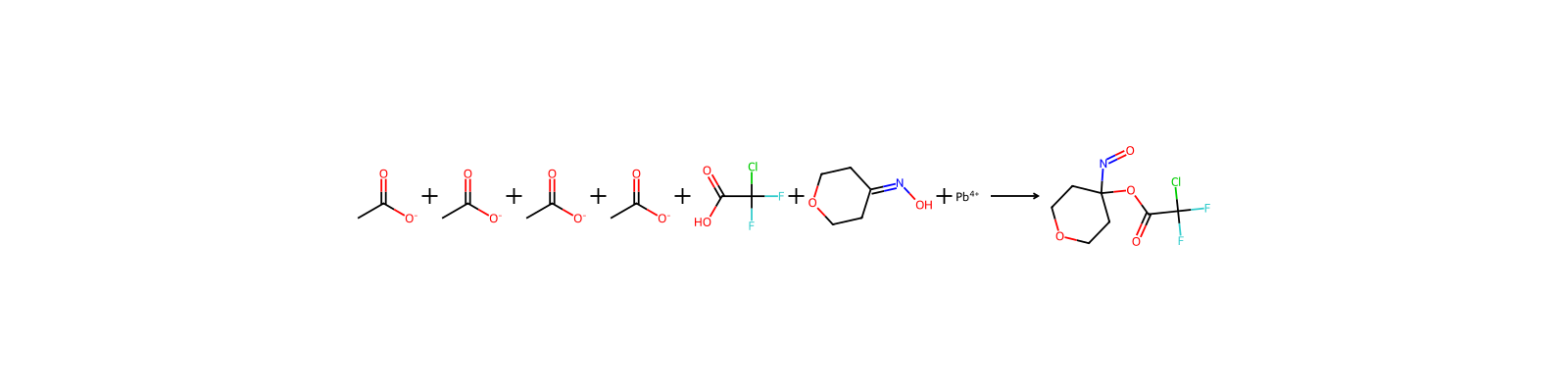


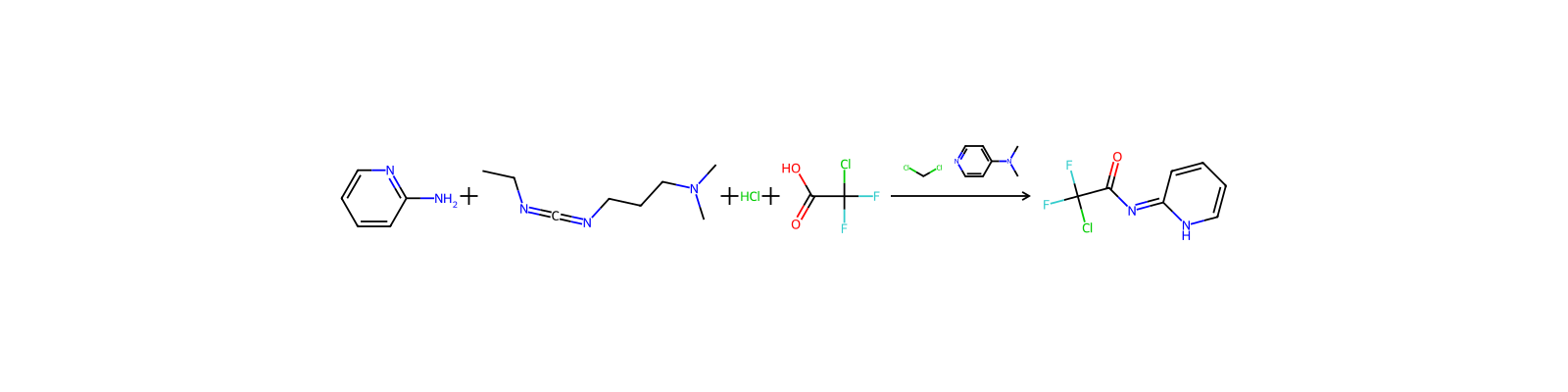
Compound notes
Loading…