HomeMCPWorkbenchSkills
HomeWorkbenchNotificationsMe
llms.txt · MCP GuidePrivacy Policy · Terms of Service · Supportv1.8.0
  1. Home
  2. /Compound

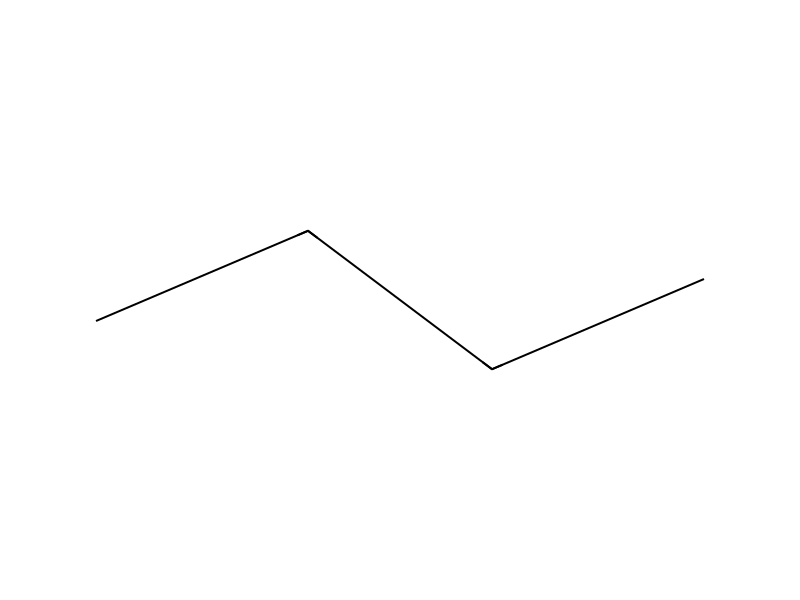
Butane

HCID 7843
New noteNew reactionRequest quotes
Print preview
Basic informationOverviewNames & identifiersPropertiesSafety & regulationChemistry & industryRelated reactionsCompound notes
Substructure searchFind similar structures

Basic information

CAS
106-97-8
Standard SMILES
CCCC
InChIKey
IJDNQMDRQITEOD-UHFFFAOYSA-N
Molecular formula
C4H10
Average molar mass
58.12 g/mol
Monoisotopic mass
58.07825032

Overview

Butane is a colorless gas with a faint petroleum-like odor. For transportation it may be stenched. It is shipped as a liquefied gas under its vapor pressure. Contact with the liquid can cause frostbite. It is easily ignited. Its vapors are heavier than air. Any leak can be either liquid or vapor. Under prolonged exposure to fire or intense heat the containers may rupture violently and rocket. It is used as a fuel, an aerosol propellant, in cigarette lighters, and to make other chemicals.

Names & identifiers

Preferred name
Butane
IUPAC
butane
English name
n-Butane
Molecular formula
C4H10
Molecular weight
58.12

Names & synonyms

BUTANEn-Butane106-97-8DiethylMethylethylmethaneButanenButaniButyl hydrideHC 600A 21 (lowing agent)R 600n-Butan
Show more names
r600BataneBUTANES1-Butanen-BataneNormal butanebutane(liquefiedgas)
6LV4FOR43RE943an-C4H10INS NO.943DTXSID7024665INS-943E-943R-600

Database identifiers

CAS
106-97-8
PubChem CID
7843
DTXSID
DTXSID7024665
ChEMBL
CHEMBL134702
ChEBI
CHEBI:37808
UNII
6LV4FOR43R
EC Number
203-448-7
Nikkaji
J4.041J

Properties

Computed structural properties

XLogP
2.9
Topological polar surface area
0 Ų
Hydrogen bond donors
0
Hydrogen bond acceptors
0
Rotatable bonds
1
Heavy atoms
4
Formal charge
0
Complexity
2

Experimental & physicochemical properties

Chemical Classes · 2 items

Flammable agents - 4th degree

Volatile Organic Compound (VOC)

SolventsSolvents -> Aliphatics, Saturated (<C12)
Cosmetics · 4 items

Cosmetics ingredient -> Other (Specify)

Cosmetic ingredients (Butane) -> CIR (Cosmetic Ingredient Review)

Cosmetic ingredients (n-Butane) -> CIR (Cosmetic Ingredient Review)

Propellant

SpringerMaterials PropertiesCoriolis coupling
LogP · 3 items

log Kow = 2.89

2.89

2.74

OdorFaint, disagreeable odor
Food AdditivesPROPELLANT -> FDA Substance added to food
Density · 6 items

0.6 at 32 °F (USCG, 1999) - Less dense than water; will float

0.573 g/cu cm at 25 °C (p>1 atm)

Liquid density (at saturation pressure; 15.6 °C), kg/cu m: 583.0 /from table/

Relative density (water = 1): 0.6

Safety & regulation

Safety information is for reference only and does not replace the supplier’s Safety Data Sheet (SDS), applicable regulations, or professional assessment.

GHS classification

GHS Classification · 6 items

Danger

H220: Extremely flammable gas [Danger Flammable gases]

P203, P210, P222, P280, P377, P381, and P403 (click each P-code to see the statement)

Danger

H220: Extremely flammable gas [Danger Flammable gases]

P203, P210, P222, P280, P318, P377, P381, P403, P405, and P501 (click each P-code to see the statement)

Hazard information

Regulatory Information · 6 items

Chemical: Butane

Hazard Traits - Carcinogenicity; Genotoxicity

Butane is listed on the EPA's Chemical Data Reporting (CDR) system. Manufacturers and importers of Butane are required to report information about their production and use of this chemical to the EPA under the Toxic Substances Control Act (TSCA). (40 eCFR Part 711)

REACH registered substance: Butane (EC: 203-448-7)

Butane: HSNO Approval: HSR000989 Approved with controls

The New Jersey Worker and Community Right to Know Act requires public and private employers to provide information about hazardous substances at their workplaces. (N.J.S.A. 34:5A-1 et. seq.)

Other Safety InformationIMAP assessments - Butane: Human health tier I assessment
DOT LabelFlammable Gas
Fire Hazards · 4 items

Excerpt from ERG Guide 115 [Gases - Flammable (Including Refrigerated Liquids)]:

· EXTREMELY FLAMMABLE.

· EXTREMELY FLAMMABLE.

Extremely flammable. Gas/air mixtures are explosive.

Fire Potential · 3 items

Highly flammable, dangerous fire ... risk.

Flammable in the presence of an oxidizing gas (eg air), a source of ignitino, and when the concentration of the gas is between the lower and upper explosive limits. Keep away from heat/sparks/open flame/hotsurface/oxidizing gas. No smoking.

Chemistry & industry

Pharmacology

Mechanism of Action · 1 item

...Not infrequently intentional butane inhalation results in high morbidity and mortality. A fatal outcome of butane abuse can be caused by asphyxia, cardiac arrhythmia or trauma. The reported number of cases in which death was the consequence of pure butane inhalation is limited, and in most cases a mixture of propellants was involved. This report covers two cases of sudden death due to the sniffing of a cigarette lighter refill containing butane. Autopsy was followed by toxicological, pathohistological and immunohistochemical analysis. Butane gas was confirmed in samples of blood, urine, brain and lungs... Histology showed almost identical changes in the lungs and heart in both cases. The morphology of heart damage on standard H/E stains was of special interest because it displayed all the characteristics of chronic and acute myocardial hypoxia found in the absence of atherosclerotic heart disease. In order to confirm early cardiac death caused by asphyxia due to butane inhalation a panel of immunohistochemical agents was used...

Biological Half-Life · 2 items

Based on kinetic studies ... with ethane and n-pentane, the elimination half-life of n-butane can be expected to be closer to that of n-pentane (half life= 0.13 hr, at nonsaturating concn).

Its elimination half-life is 0.13 hr at nonsaturating concns.

Metabolism/Metabolites · 4 items

A study was conducted to establish whether volatile hydrocarbons, such as propane, n-butane and iso-butane, are metabolized in mice or not. In mice having inhaled these gases, isopropanol and acetone were yielded from propane, sec-butanol and methyl ethyl ketone from n-butane, and tert-butanol from iso-butane as the respective metabolites. In addition, liver microsomes were found to contain the enzymic system participating in these metabolisms. In vitro reactions with liver microsomes produced isopropanol from propane, sec-butanol from n-butane, and tert-butanol from iso-butane. It was assumed that hydrocarbons were first converted to (omega-1)-alcohols by microsomal enzyme system and then to corresponding ketones by alcohol dehydrogenase.

Microsomal enzyme systems have been found that oxidize butane to its parent alcohol.

Hydroxylation of butane ... /occurs/ in rat liver microsomes to yield 2-butanol as the major metabolite. n-Butane is the lowest molecular weight alkane ... demonstrated to substrate-bind with cytochrome p450. ... If 2-butanol is the major metabolite formed in mammals, it would be expected to be eliminated in expired air. ... 2-Butanol may also be conjugated with glucuronic acid or be oxidized to methyl ethyl ketone which in turn is expired.

Related reactions

77 records
New reaction record
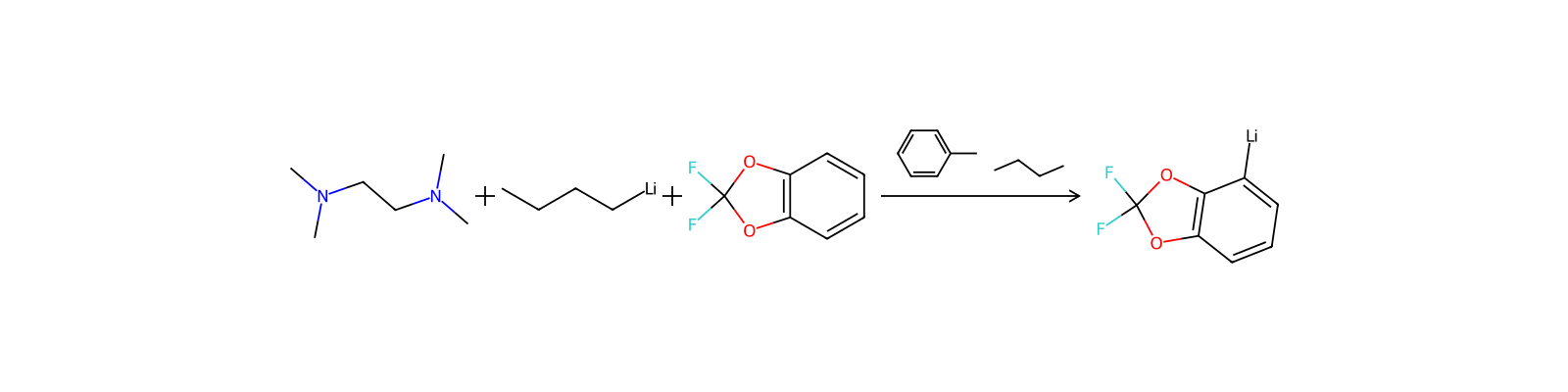
HRID 27653 reaction equation
HRID 27653As productuspto-grants-1980_09
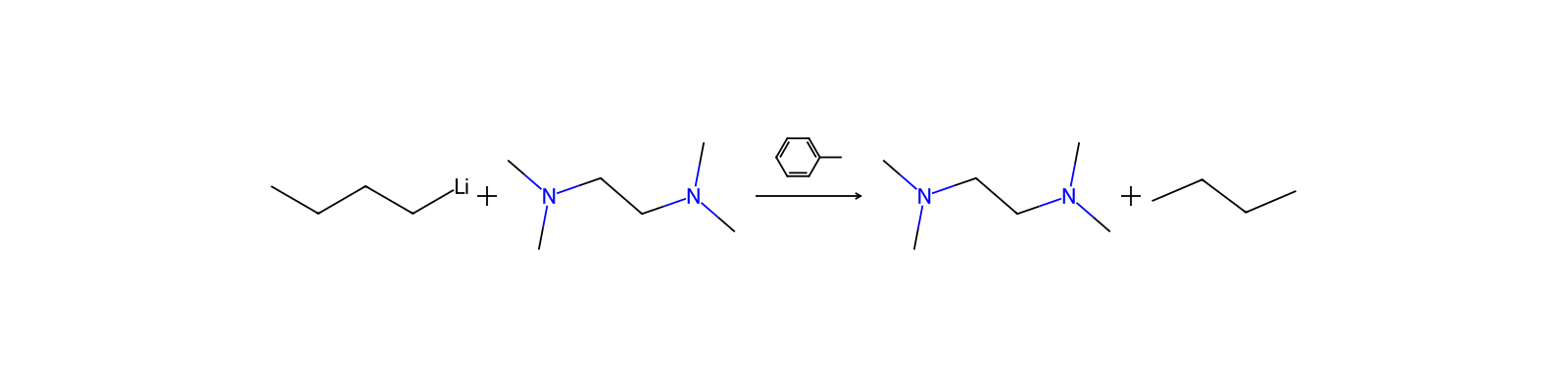
HRID 37591 reaction equation
HRID 37591As solventuspto-grants-1995_05
HRID 37592 reaction equation
HRID 37592As solventuspto-grants-1995_05
HRID 76911 reaction equation
HRID 76911As reactantuspto-grants-2014_09
HRID 76912 reaction equation
HRID 76912As reactantuspto-grants-2014_09
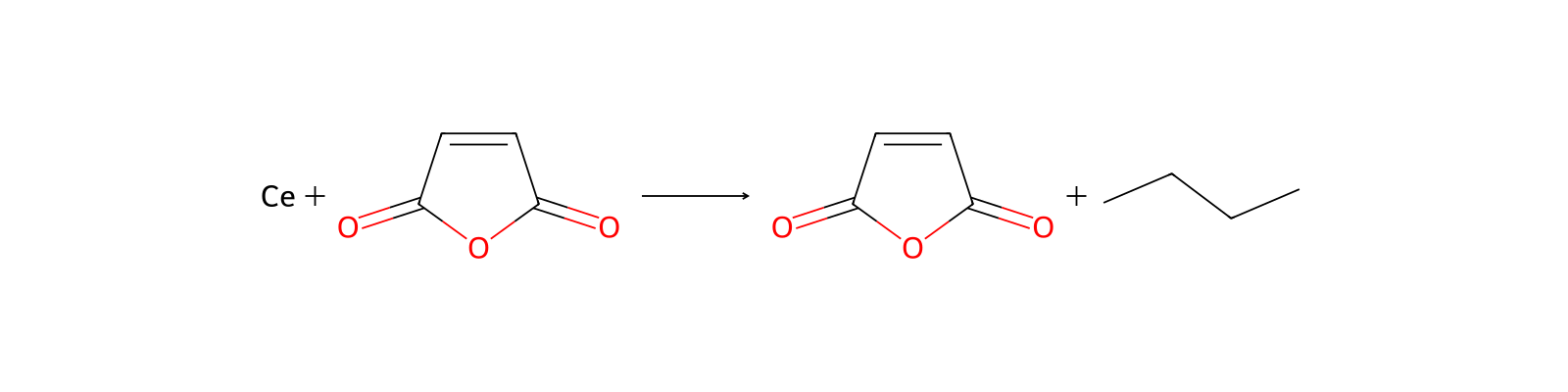
HRID 88388 reaction equation
HRID 88388As reactantTraining data from https://doi.org/10.1039/C8SC04228D (2/10)
HRID 223781 reaction equation
HRID 223781As reactantuspto-grants-1982_10
HRID 239853 reaction equation
HRID 239853As productuspto-grants-2014_02
Page 1 of 10

Compound notes

Loading…

On this pageBasic informationOverviewNames & identifiersPropertiesSafety & regulationChemistry & industryRelated reactionsCompound notes
More actions
New noteNew reactionRequest quotes

0.6 at 32 °F

0.599 @25 °C

Viscosity7.5 at 300 K; 9.9 at 400 K; 12.2 at 500 K; 14.5 at 600 K (all in uPa.s) (gas)
Color/FormColorless gas [Note: Shipped as a liquefied compressed gas. A liquid below 31 degrees F]
Solubility · 5 items

61 mg/L at 68 °F (NTP, 1992)

In water, 61.2 mg/L at 25 °C

Very soluble in ethanol, ethyl ether, chloroform

Solubility in water, g/100ml at 20 °C: 0.0061

Slight

CorrosivityHas no corrosive action on metals

Physicochemical properties

Melting point
138 °C · −138 °C(lit.)
Boiling point
0.5 °C · −0.5 °C(lit.)
Density
0.579 g/mL · 0.579 g/mL at 20 °C(lit.)
vapor density
2.11 · 2.11 (vs air)
vapor pressure
3.21 · 3.21, 1.26, and 0.66 mM at 4, 25, and 50 °C, respectively (Kresheck et al., 1965)
refractive index
1.3326 · 1.3326
Flash point
45 · 45
solubility
1 · Chloroform: Sparingly soluble: 1-10 mg/mlMethanol: Slightly soluble: 0.1-1 mg/ml
form
gas
Odor
faint disagreeable odor
Flame Color
Bright blue
Odor Threshold
1200 ppm · 1200ppm
Water Solubility
73.24 mg/L · 73.24mg/L(25 ºC)
Specific Heat Capacity
2.42 J/ · Cp(liquid): 2.42 J/(g·K), at 25℃
Merck
1515 · 1515
BRN
969129 · 969129
Henry's Law Constant
3 · (atmm3/mol): 0.356 at 5 °C, 0.454 at 10 °C, 0.568 at 15 °C, 0.695 at 20 °C, 0.835 at 25 °C (Ben-Naim et al., 1973)
Dielectric constant
1.4 · 1.4(-1℃)
Exposure limits
800 ppm · TLV-TWA 800 ppm (~1920 mg/m3) (ACGIH), 500 ppm (1200 mg/m3) (MSHA).
Stability
Stable. Extremely flammable. Readily forms explosive mixtures with air. Note low flash point. Incompatible with strong oxidizing agents, strong acids, strong alkalies.
Cosmetics Ingredients Functions
PROPELLANT
Cosmetic Ingredient Review (CIR)
n-Butane (106-97-8)
InChI
1S/C4H10/c1-3-4-2/h3-4H2,1-2H3
InChIKey
IJDNQMDRQITEOD-UHFFFAOYSA-N
SMILES
CCCC
LogP
2.89 · 2.890
CAS DataBase Reference
106 · 106-97-8(CAS DataBase Reference)
Substances Added to Food (formerly EAFUS)
N-BUTANE
FDA 21 CFR
582.1165 · 582.1165
EWG's Food Scores
4 · 4-7
NCI Dictionary of Cancer Terms
butane
FDA UNII
6 LV4FOR43R · 6LV4FOR43R
EPA Substance Registry System
Butane (106-97-8)
Cosmetics Info
Butane
UNSPSC Code
12142100 · 12142100
NACRES
22 · NA.22
Symbol(GHS)
2 · GHS02,GHS04,GHS08
Signal word
Danger
Hazard statements
220 · H220-H340-H350
Precautionary statements
210 · P210-P201-P202-P280-P377-P381-P308+P313-P410+P403-P403-P405-P501
PPE
Eyeshields, Faceshields, Gloves
Hazard Codes
F+,F,T
Risk Statements
12 · 12-46-45
Safety Statements
9 · 9-16-45-53
OEB
A
OEL
800 ppm · TWA: 800 ppm (1900 mg/m3)
RIDADR
1011 · UN 1011
WGK Germany
-
RTECS
4200000 · EJ4200000
F
4.5 · 4.5-31
Hazard Note
Extremely Flammable
TSCA
TSCA listed
DOT Classification
2.1 · 2.1 (Flammable gas)
HazardClass
2.1 · 2.1
HS Code
2901100000 · 2901100000
Storage Class
2 A · 2A - Gases
Hazard Classifications
1 Press · Flam. Gas 1Press. Gas Liquefied gas
Hazardous Substances Data
106 · 106-97-8(Hazardous Substances Data)
Toxicity
50 · LC50 (inhalation) for mice 680 gm/m3/2-h, rats 658 gm/m3/4-h (quoted, RTECS, 1985).
IDLA
1 · 1,600 ppm (>10% LEL)
REACH Registrations
Active

Very dangerous fire hazard when exposed to heat, flame...

Health Hazards · 3 items

High exposure produces drowsiness but no other evidence of systemic effect. (USCG, 1999)

· Vapors may cause dizziness or asphyxiation without warning, especially when in closed or confined areas.

· Vapors may cause dizziness or asphyxiation without warning, especially when in closed or confined areas.

Hazards Summary · 1 item

Possible frostbite from contact with liquid; [NIOSH] TLV Basis is CNS impairment; Caused drowsiness in 6 men and 6 women after exposure to 1% (10,000 ppm) for 10 minutes; The median effective concentration (EC50) for producing cardiac sensitization in anesthetized dogs was 7% (70,000 ppm). No symptoms in 53 refinery workers exposed to 1 to 8 ppm for 11 years; Deaths in butane gas abusers were attributed to hypoxia and cardiac failure. [ACGIH: Butane, isomers] A chemical abused by inhaling (lighter fluid); may be abused by teenagers because it is cheap and available; Butane is in the list of Some volatile substances which may be abused by inhalation published on the web site of the U.N. International Drug Control Programme, indicating its potential to cause narcosis in workers. [Reference #1] In confined space spill, may displace air and act as simple asphyxiant; Inhalation of high concentrations may cause CNS effects; [ICSC]

DOT ID and Guide · 4 items

1011 115

1075 115

1011 115

1075 115

FDA Requirements · 2 items

Substance added directly to human food affirmed as generally recognized as safe (GRAS).

Butane used as a general purpose food additive in animal drugs, feeds, and related products is generally recognized as safe when used in accordance with good manufacturing or feeding practice.

Reactive GroupHydrocarbons, Aliphatic Saturated
EC ClassificationSymbol: F+; R: 12; S: (2)-9-16-33; Note: C
UN ClassificationUN Hazard Class: 2.1

Safety & protection

Fire Fighting · 2 items

Excerpt from ERG Guide 115 [Gases - Flammable (Including Refrigerated Liquids)]:

Shut off supply; if not possible and no risk to surroundings, let the fire burn itself out. In other cases extinguish with powder, carbon dioxide. In case of fire: keep cylinder cool by spraying with water. Combat fire from a sheltered position.

First Aid Measures · 3 items

Fresh air, rest. Artificial respiration may be needed. Refer for medical attention.

ON FROSTBITE: rinse with plenty of water, do NOT remove clothes. Refer for medical attention .

First rinse with plenty of water for several minutes (remove contact lenses if easily possible), then refer for medical attention.

Accidental Release Measures · 4 items

· CALL 911. Then call emergency response telephone number on shipping paper. If shipping paper not available or no answer, refer to appropriate telephone number listed on the inside back cover.

· ELIMINATE all ignition sources (no smoking, flares, sparks or flames) from immediate area.

· CALL 911. Then call emergency response telephone number on shipping paper. If shipping paper not available or no answer, refer to appropriate telephone number listed on the inside back cover.

· ELIMINATE all ignition sources (no smoking, flares, sparks or flames) from immediate area.

First Aid · 4 items

EYES: First check the victim for contact lenses and remove if present. Flush victim's eyes with water or normal saline solution for 20 to 30 minutes while simultaneously calling a hospital or poison control center. Do not put any ointments, oils, or medication in the victim's eyes without specific instructions from a physician. If symptoms (such as redness or irritation) develop, immediately transport the victim to a hospital.

General First Aid:

General First Aid:

(General first aid procedures)

Safe StorageFireproof. Cool.
Firefighting HazardsOn loss of containment this substance can cause suffocation by lowering the oxygen content of the air in confined areas... Rapid evaporation of the liquied may cause frostbite. The substance may cause effects on the central nervous system.
Exposure Control and Personal Protection · 3 items

· Wear positive pressure self-contained breathing apparatus (SCBA).

· Wear positive pressure self-contained breathing apparatus (SCBA).

1000.0 [ppm]

Fire Fighting Procedures · 3 items

Use water spray, alcohol-resistant foam, dry chemical or carbon dioxide.

Use water spray to cool unopened containers.

Wear self contained breathing apparatus for fire fighting if necessary.

Storage Conditions · 2 items

Butane in liquid form may be stored both above and below ground. Besides storage in liquefied form under its vapor pressure at normal atmospheric temperatures, refrigerated liquid storage at atmospheric pressure may be used. Such systems are closed and insulated, and the liquid petroleum gas vapor is circulated through pumps and compressors to serve as the refrigerant for the system. Butane may be stored in pits in the earth capped by metal domes and in underground chambers.

Storage temp: ambient; venting: safety relief.

Cleanup MethodsEvacuate danger area! Consult an expert! Personal protection: self-contained breathing apparatus. Ventilation. Remove all ignition sources. NEVER direct water jet on liquid.
Nonfire Spill ResponseExcerpt from ERG Guide 115 [Gases - Flammable (Including Refrigerated Liquids)]:
Disposal Methods · 2 items

Burn in a chemical incinerator equipped with an afterburner and scrubber but exert extra care in igniting as this material is highly flammable. Offer surplus and non-recyclable solutions to a licensed disposal company. Contact a licensed professional waste disposal service to dispose of this material.

SRP: Wastewater from contaminant suppression, cleaning of protective clothing/equipment, or contaminated sites should be contained and evaluated for subject chemical or decomposition product concentrations. Concentrations shall be lower than applicable environmental discharge or disposal criteria. Alternatively, pretreatment and/or discharge to a permitted wastewater treatment facility is acceptable only after review by the governing authority and assurance that "pass through" violations will not occur. Due consideration shall be given to remediation worker exposure (inhalation, dermal and ingestion) as well as fate during treatment, transfer and disposal. If it is not practicable to manage the chemical in this fashion, it must be evaluated in accordance with EPA 40 CFR Part 261, specifically Subpart B, in order to determine the appropriate local, state and federal requirements for disposal.

Toxicology

Toxicological InformationRanking: 586 (total points: -1)
Body Burden · 1 item

n-Butane was detected in 6 of 12 samples of mothers breast milk from the cities of Bayonne NJ, Jersey City NJ, Bridgeville PA and Baton Rouge LA(1). According to the Total Exposure Assessment Methodology (TEAM) conducted in New Jersey, 2 of 12 personal breath samples contained n-butane(2). The background measurements utilized as a set of controls for air expired from humans contained n-butane in 8 of 20 samples collected over 18 mo(3). Butane was detected in human breath samples at concentrations between 1 to 10 ppb(4).

TreatmentTreatment for butane poisoning is supportive and symptomatic. Stimulants should not be administered. Recovery normally occurs quickly once exposure has ceased but support of the cardiovascular and respiratory systems may be needed. (L1284)
Interactions · 2 items

... Mixing butane and isobutylene produced an additive ... /CNS depressant/ effect in 2 of 12 mice and a potentiating effect in the remaining 10 animals. In rats, the butane-isobutylene mixture showed a summation of effects in 9 of 12 animals and a potentiation of effects in the remaining animals.

... Exposure of dogs to 1-20% n-butane for ... 2 min to 2 hr hypersensitized the heart to ventricular fibrillation induced by epinephrine. /In a separate study/ ... exposure of dogs to concn of 15-90% for 10 min caused the heart to be sensitized to epinephrine-induced arrhythmias.

Target Organscentral nervous system
Health EffectsButane targets the central nervous system and cardiovascular system. Inhalation of butane can cause frostbite which can result in death from asphyxiation and ventricular fibrillation. (L1283, L1284)
Environmental Fate · 3 items

TERRESTRIAL FATE: Based on a classification scheme(1), an estimated Koc value of 40(SRC), determined from a log Kow of 2.89(2) and a regression-derived equation(3), indicates that n-butane is expected to have high mobility in soil(SRC). Volatilization of n-butane from moist soil surfaces is expected to be an important fate process(SRC) given an estimated Henry's Law constant of 0.95 atm-cu m/mole(SRC), derived from its vapor pressure, 1820 mm Hg(4) and water solubility, 61.2 mg/L(5). The potential for volatilization of n-butane from dry soil surfaces may exist(SRC) based upon its vapor pressure(4). While volatilization from soil surfaces is expected to be the predominant fate process of n-butane released to soil, this compound is also susceptible to biodegradation(SRC). A biodegradation rate of 1.8 mg C/day/kg dry soil(6) suggests that biodegradation may be an important environmental fate process in soil(SRC).

AQUATIC FATE: Based on a classification scheme(1), an estimated Koc value of 40(SRC), determined from a log Kow of 2.89(2) and a regression-derived equation(3), indicates that n-butane is not expected to adsorb to suspended solids and sediment(SRC). Volatilization from water surfaces is expected(4) based upon an estimated Henry's Law constant of 0.95 atm-cu m/mole(SRC), derived from its vapor pressure, 1820 mm Hg(5) and water solubility, 61.2 mg/L(6). Using this Henry's Law constant and an estimation method(3), volatilization half-lives for a model river and model lake are 50 minutes and 3 days, respectively(SRC). According to a classification scheme(7), an estimated BCF of 40(SRC), from its log Kow(2) and a regression-derived equation(3), suggests the potential for bioconcentration in aquatic organisms is moderate(SRC). Photolysis(8) or hydrolysis(4) of n-butane in aquatic systems are not expected to be important environmental fate process in water(SRC). While volatilization from water surfaces is expected to be the predominant fate process in water, this compound is also susceptible to biodegradation(SRC). Complete biodegradation was reported in 34 days using an activated sludge inoculum(9), suggesting biodegradation may be an important environmental fate process in water(SRC).

ATMOSPHERIC FATE: According to a model of gas/particle partitioning of semivolatile organic compounds in the atmosphere(1), n-butane, which has a vapor pressure of 1820 mm Hg at 25 °C(2), is expected to exist solely as a gas in the ambient atmosphere. Gas-phase n-butane is degraded in the atmosphere by reaction with photochemically-produced hydroxyl radicals(SRC); the half-life for this reaction in air is estimated to be 6.3 days(SRC), calculated from its rate constant of 2.54X10⁻¹² cu cm/molecule-sec at 25 deg(3). Experimental data showed that 7.7% of the n-butane fraction in a dark chamber reacted with nitrogen oxide to form the corresponding alkyl nitrate(4,5), suggesting nighttime reactions with radical species and nitrogen oxides may contribute to the atmospheric transformation of n-butane(SRC). Based on data for iso-octane and n-hexane(6), n-butane is not expected to absorb UV light at wavelengths >290 nm and, therefore, is not expected to be susceptible to direct photolysis by sunlight(SRC).

Food Survey Values · 1 item

Butane, not specified as n-butane, was detected in beef volatiles at an unreported concentration(1). n-Butane emission rates from hamburger meat charbroiling over a natural gas-fired grill was 107,000 ug/kg of meat cooked(2). Butane comprised of 14.4, 24.42, 10.25 and 6.23 ppbC% of nonmethane organic carbon emissions monitored in restaurants, tortillerias, rotisseries and near food frying operations in Mexico City, respectively(3).

Adverse EffectsNeurotoxin - Acute solvent syndrome
Exposure Routes · 3 items

The substance can be absorbed into the body by inhalation.

inhalation, skin and/or eye contact (liquid)

Inhalation (L1283)

Milk Concentrationsn-Butane was detected in 6 of 12 samples of mothers breast milk from the cities of Bayonne NJ, Jersey City NJ, Bridgeville PA and Baton Rouge LA(1).
Toxicity Summary · 3 items

Safe in the present practices of use and concentration. Ingredient, concentration, and use information are available in documents discoverable at https://cir-reports.cir-safety.org

n-Butane is a colorless, flammable gas at room temperature. It occurs as a component in natural gas from which it is refined. n-Butane is used as fuel, refrigerant and aerosol propellant. The acute toxicity of n-butane has been studied after inhalation exposure in experimental animals. LC50 (4h) was 658 mg/l in rats and LC50 (2h) was 680 mg/l in mice. In dogs, lethal concentrations ranged from 474 to 592 mg/l. A concentration of 308 mg/l caused light anesthesia in mice within 25 minutes, and an exposure to 521 mg/l had similar effect within one minute. n-Butane ... sensitiz/ed/ the myocardium to epinephrine-induced cardiac arrhythmias in dogs after inhalation. No reports on acute toxicity of n-butane in experimental animals by other administration routes were located in the available literature. In a 21-day inhalation toxicity study of a mixture of n-butane, isobutane, n-penta and isopentane, containing 25% of each, the absence of toxicity was evident up to 11.8 mg/l which was the highest concentration tested. The study was performed in Sprague-Dawley rats which were exposed 6 hours per day over three weeks for a total of 15 exposures. No long-term studies using pure n-butane were located in the available literature. No mutagenic activity was observed in several tests in Salmonella typhimurium strains TA 1535, TA 1537, TA 1538, TA 98 and TA 100 with or without the addition of an exogenous metabolism system. No studies on carcinogenicity, reproduction toxicity and teratogenicity, immunotoxicity or allergy were located in the available literature. Several reports on human exposure to n-butane were available. The increasing abuse of volatile substances, n-butane being among them, increases the risk of sudden death in connection to inhalation of the gas. The range of concentrations that may lead to "high" feelings or to death has been noted to be very narrow. The use of a oven cleaner containing n-butane as propellant has caused transient myoclonus in one patient. No other physical abnormalities were noted. An aerosol spray which contained n-butane as propellant, was reported to cause deep frostbite symptoms ir the skin when sprayed directly on it. Because of the anesthetic effect of n-butane, truck drivers and terminal operators from different loading facilities and service stations were examined for exposure gasoline vapours containing 90 to 92 percent n-butane, isobutane, n-pentane and isopentane. Exposures to the gasoline vapor were substantially lower than the established ACGIH threshold values (300 ppm or 0.89 mg/l for gasoline, and 800 ppm or 1.9 mg/l for n-butane). Occupational exposure of 53 male refinery workers for an average of 11 years to n-butane (concentration varied from 0.0004 mg/l to 0.0178 mg/l) did not cause any clinical symptoms in the workers. ... In conclusion, exposure to low concentrations of n-butane has not been reported to cause adverse effects in humans. It is anesthetic to both humans and experimental animals. Sudden death may occur when n-butane is inhaled at high concentrations. The safety margin between anesthetic and lethal concentrations appears to be very narrow. Chronic exposure to n-butane has been reported to cause some symptoms in the central nervous system. Critical effects might be lethality when inhaled in high doses, and effects on the central nervous system in chronically exposed individuals.

Regulatory information

FDA Requirements · 2 items

Substance added directly to human food affirmed as generally recognized as safe (GRAS).

Butane used as a general purpose food additive in animal drugs, feeds, and related products is generally recognized as safe when used in accordance with good manufacturing or feeding practice.

FIFRA Requirements · 2 items

Residues of butane are exempted from the requirement of a tolerance when used in accordance with good agricultural practice as inert (or occasionally active) ingredients in pesticide formulations applied to growing crops or to raw agricultural commodities after harvest. Use: Propellant.

Residues of butane are exempted from the requirement of a tolerance when used in accordance with good agricultural practice as inert (or occasionally active) ingredients in pesticide formulations applied to animals. Use: propellant.

DHS Chemicals of Interest (COI) · 4 items

Butane

1

10000

Flammable chemical that can be released at a facility.

Safety data

F
4.5-31
OEB
A
OEL
TWA: 800 ppm (1900 mg/m3)
PPE
Eyeshields, Faceshields, Gloves
wgk
-
IDLA
1,600 ppm (>10% LEL)
tsca
TSCA listed
rtecs
EJ4200000
ridadr
UN 1011
hs_code
2901100000
Toxicity
LC50 (inhalation) for mice 680 gm/m3/2-h, rats 658 gm/m3/4-h (quoted, RTECS, 1985).
risk_code
12-46-45
Signal word
Danger
Symbol(GHS)
GHS02,GHS04,GHS08
hazard_code
F+,F,T
hazard_note
Extremely Flammable
safety_code
9-16-45-53
hazard_class
2.1
Storage Class
2A - Gases
Hazard statements
H220-H340-H350
DOT Classification
2.1 (Flammable gas)
REACH Registrations
Active
Hazard Classifications
Flam. Gas 1Press. Gas Liquefied gas
Precautionary statements
P210-P201-P202-P280-P377-P381-P308+P313-P410+P403-P403-P405-P501
Hazardous Substances Data
106-97-8(Hazardous Substances Data)

Purified liquefied petroleum gas (LPG), a mixture of butane, isobutane, and propane, is commonly abused by inhalation. Little is known about the mammalian metabolism of these substances. Metabolism of other hydrocarbons, including n-hexane and cyclohexane, has been studied in vitro using a range of liver preparations, with metabolites analyzed by static headspace techniques... Cyclohexanol and cyclohexanone were formed from cyclohexane and 1-, 2-, and 3-hexanol and 2-hexanone from n-hexane as predicted. Secondary alcohols are found for the other compounds studied, except for propene and isobutane, together with 2-propanone and 2-butanone from propane and n-butane, respectively. Samples from three individuals who died following LPG abuse contained a range of putative n-butane metabolites: n-butanol, 2-butanol, 2,3-butanediol, 3-hydroxy-2-butanone, and 2,3-butanedione. To /the authors/ knowledge, the last three compounds have not been proposed as metabolites of n-butane in man. These might be produced through similar metabolic pathways to those of n-hexane and n-heptane...

Absorption, Distribution and Excretion · 2 items

Inhalation studies ... in which rats and mice were exposed to lethal concn (27.8-29%) revealed that n-butane is absorbed and distributed to various tissues. After 4 hr of respiratory exposure, surviving rats were sacrificed ... concn of butane were ... highest in perinephric fat (2086 ppm), then brain (750 ppm), spleen (522 ppm), liver (492 ppm), and kidney (441 ppm). In mice exposed to 2 hr of butane vapors, the brain levels of n-butane were found to be 779 ppm. In both rats and mice the brain levels of n-butane correlated with the degree of CNS depression ... Dermal absorption of n-butane vapors has not been reported. However, dermal penetration of butane would not be expected to occur to any large extent since skin contact is transient because of volatility.

Because of its volatile nature, elimination of butane by exhalation can be anticipated.

Uses & manufacturing

Uses · 6 items

CIR ingredient: Butane

CIR ingredient: n-Butane

Used as an aerosol propellant, fuel, and chemical intermediate; present in natural gas and liquefied petroleum gas (LPG); [ACGIH]

Petroleum Production and Refining [Category: Industry]

As producer gas; raw material for motor fuels, in the manufacture of synthetic rubbers.

Organic synthesis, raw material for synthetic rubber and high-octane liquid fuels, fuel for household and many industrial purposes; manufacture of ethylene; solvent; refrigerant; standby and enricher gas; propellant in aerosols; pure grades used in calibrating instruments; food additive.

U.S. Exports · 5 items

(1972) 7.7X10+10 G

(1975) 4.23X10+11 G

(1984) 3.27X10+8 g

(1987) 8.25X10+4 bbl

(1988) 5.01X10+4 bbl

U.S. Imports · 4 items

(1972) 1.48X10+12 G

(1975) 1.69X10+12 G (INCL PROPANE MIXTS)

(1984) 5.17X10+9 g

(1986) 3.87X10+7 bbl

U.S. Production · 6 items

2023: 90,000,000,000 - <95,000,000,000 lb

(1975) 3.24-3.84X10+13 G

(1984) 1.08X10+12 g

(1987) 2.03X10+9 lb

Butane is listed as a High Production Volume (HPV) chemical (65FR81686). Chemicals listed as HPV were produced in or imported into the U.S. in >1 million pounds in 1990 and/or 1994. The HPV list is based on the 1990 Inventory Update Rule. (IUR) (40 CFR part 710 subpart B; 51FR21438).

For more U.S. Production (Complete) data for n-Butane (8 total), please visit the HSDB record page.

Consumption PatternsAbout 90% as a gasoline blending additive; about 4% as a chem int for butadiene; about 3% as a chem int for ethylene; about 3% as a chem int for acetic acid & its by-products & for maleic anhydride (1975)
Consumer UsesIntermediate
Industry UsesFuels and fuel additives
Methods of Manufacturing · 5 items

Butanes are naturally occurring alkane hydrocarbons that are produced primarily in association with natural gas processing and certain refinery operations such as catalytic cracking and catalytic reforming. The term butanes includes the two structural isomers, n-butane [106-97-8], CH3CH2CH2CH3, and isobutane [75-28-5], (CH3)2CHCH3 (2-methylpropane).

Butanes are recovered from raw natural gas and from petroleum refinery streams that result from catalytic cracking, catalytic reforming, and other refinery operations. The most common separation techniques are based on a vapor-liquid, two-phase system by which liquid butane is recovered from the feed gas. /Butanes/

Prepared from C2H5I /ethyl iodide/ and sodium amalgam.

/n-Butane is/ ... obtained from natural gas by fractionation following absorption in oil, adsorption to surface-active agents, or refrigeration.

Recovered from LPG /liquefied petroleum gas/ by distillation.

Formulations/Preparations · 2 items

Grades: Research, 99.99 mole %; pure 99 mole %; technical 95 mole %, also available in various mixtures with isobutane, propane, pentanes, etc.

Propane is the principal ingredient of bottled gas particularly in northern states, whereas butane with its considerably higher boiling and freezing points is more widely used in warmer southern states. Mixtures of the two are also common.

Household Products · 3 items

Cosmetics product ingredient: Butane (containing greater than or equal to 0,1 % butadiene (203-450-8))

Information on 1 consumer products that contain n-butane in the following categories is provided:

Information on 1784 consumer products that contain Butane in the following categories is provided:

Use Classification · 3 items

Food additives

Food Additives -> PROPELLANT -> JECFA Functional Classes

Cosmetics -> Propellant

General Manufacturing Information · 2 items

Agriculture, Forestry, Fishing and Hunting

Butane: ACTIVE

Applications · 8 items

DescriptionButane is a flammable, colorless gas that follows propane in the alkane series. Butane is also called n-butane, with the “n” designating it as normal butane, the straight chain isomer. Butane’s other isomer is isobutane. The chemical name of isobutane is 2-methylpropane. Isomers are different compounds that have the same molecular formula. Normal butane and isobutane are two different compounds, and the name butane is used collectively to denote both n-butane and isobutane; the names n-butane and isobutane are used to distinguish properties and chemical characteristics unique to each compound. Butane, along with propane, is a major component of liquefied petroleum gas . It exists as a liquid under moderate pressure or below 0℃ at atmospheric pressure, which makes it ideal for storage and transportation in liquid form.

DescriptionButane Residual Solvent Standard (Item No. 25932) is a certified reference material standard for butane, a solvent that has been used in the extraction of cannabinoids from Cannabis and has been identified as a contaminant in butane hash oil and Δ9-THC concentrates. It is designed for use as a reference standard for butane by GC- or LC-MS. This product is intended for research and forensic applications.

HistoryButane is extracted from natural gas and is also obtained during petroleum refining. Butane can be obtained from natural gas by compression, adsorption, or absorption. All three processes were used in the early days of the LPG industry, but compression and adsorption were generally phased out during the 20th century. Most butane now is obtained from absorption and separation from oil.

UsesButane is the common fuel used in cigarette lighters and also as an aerosol propellant, a calibration gas, a refrigerant, a fuel additive, and a chemical feedstock in the petrochemical industry.

Usesn-Butane occurs in petroleum, natural gas,and in refinery cracking products. It isused as a liquid fuel, often called liquefiedpetroleum gas, in a mixture with propane. Itis also used as a propellant for aerosols, a rawmaterial for motor fuels, in the production ofsynthetic rubber, and in organic synthesis.

Usesn-Butane can be obtained from natural gas and from refinery hydro cracker streams. Most of the n-butane goes into fuel additive uses. The major chemical use is as a feedstock for ethylene production by cracking . The other important chemical uses for butane are in oxidation to acetic acid and in the production of maleic anhydride. In the past, butane also was the main feedstock for the production of butadiene by dehydrogenation, but it has been replaced by coproduct butadiene obtained from ethylene production. Ethylene. The largest potential chemical market for n-butane is in steam cracking to ethylene and coproducts. n-Butane is a supplemental feedstock for olefin plants and has accounted for 1-4 percent of total ethylene production for most years since 1970. It can be used at up to 10-15 percent ofthe total feed in ethane/propane crackers with no major modifications . n-Butane can also be used as a supplemental feed at as high as 20-30 percent in heavy naphtha crackers. The consumption of C4S has fluctuated considerably from year to year since 1970, depending on the relative price ofbutane and other feedstocks. The yield of ethylene is only 36-40 percent, with the other products including methane, propylene, ethane, and butadiene, acetylene, and butylenes. About 2-3 billion Ib of butane are consumed annually to produce ethylene.

UsesAs producer gas; raw material for motor fuels, in the manufacture of synthetic rubbers.

General DescriptionN-BUTANE is a colorless gas with a faint petroleum-like odor. For transportation N-BUTANE may be stenched. N-BUTANE is shipped as a liquefied gas under its vapor pressure. Contact with the liquid can cause frostbite. N-BUTANE is easily ignited. Its vapors are heavier than air. Any leak can be either liquid or vapor. Under prolonged exposure to fire or intense heat the containers may rupture violently and rocket. N-BUTANE is used as a fuel, an aerosol propellant, in cigarette lighters, and to make other chemicals.

Upstream & downstream products

Upstream raw materials

Liquefied petroleum gesIsobutaneIsobutylenePETROLEUM ETHERCatalytic cracking unit

Downstream products

1-Butene1,3-ButadieneMaleic anhydride4-Vinylcyclohexene dioxide2-ButanoneThiopheneJasMine Oil1-NonanolAcetic acid2-ButanolCH3DimethylmercuryFEMA 3699Butane-d10SelenopheneS-n-Propyl thioacetate(S)-(+)-2-ButanolCarbonochloridic acid, 1,1-diMethylethyl ester
Additional notes · 1 item

DefinitionA gaseous hydrocarbon,C4H10; d. 0.58 g cm–3; m.p. –138°C;b.p. 0°C. Butane is obtained frompetroleum (from refinery gas orby cracking higher hydrocarbons).The fourth member of the alkaneseries, it has a straight chain ofcarbon atoms and is isomeric with2-methylpropane (CH3CH(CH3)CH3,formerly called isobutane). It can easilybe liquefied under pressure and issupplied in cylinders for use as a fuelgas. It is also a raw material for makingbuta-1,3-diene (for synthetic rubber).

Butane is a simple asphyxiant and causes toxicity by displacing oxygen. It also affects the central nervous system by enhancing glycine receptors and inhibiting N-methyl-d-aspartate (NMDA) receptors. (L1284, A352)