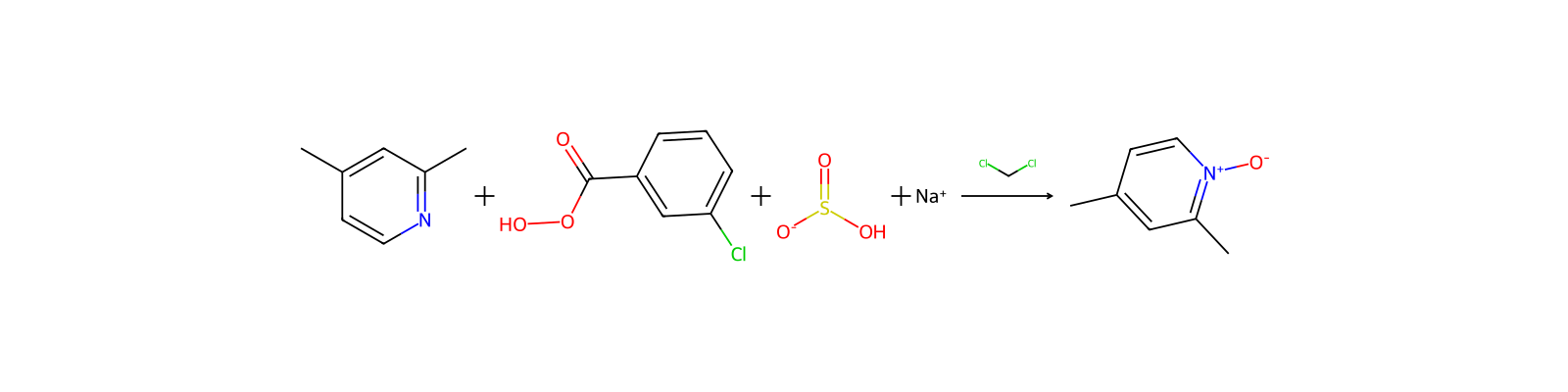

Basic information
- Standard SMILES
Cc1ccnc(C)c1- InChIKey
JYYNAJVZFGKDEQ-UHFFFAOYSA-N- Molecular formula
- C7H9N
- Average molar mass
- 107.15 g/mol
- Monoisotopic mass
- 107.07349929
Overview
2,4-Dimethylpyridine is a member of methylpyridines.
Names & identifiers
- Preferred name
- 2,4-Dimethylpyridine
- IUPAC
- 2,4-dimethylpyridine
- English name
- 2,4-Lutidine
- Molecular formula
- C7H9N
- Molecular weight
- 107.15
Names & synonyms
2,4-Lutidine2,4-DIMETHYLPYRIDINE108-47-4Pyridine, 2,4-dimethyl-alpha,gamma-Dimethylpyridine83903UJ0WWNSC-2156DTXSID2051556FEMA NO. 4389RefChem:82549DTXCID6030108203-586-8
Show more names
LUTIDINE24L2,4-Lutidine>2,4-Lutidine 99%2,4-LUTIDINE 98+%2,4-dimethyl-pyridinα,γ-dimethylpyridine
2,4-dimethyl-pyridine2,4-Lutidene.alpha.,.gamma.-DimethylpyridineMFCD00006337CHEMBL5286019NSC 2156EINECS 203-586-8BRN 0001506
Database identifiers
- CAS
108-47-4- PubChem CID
- 7936
- DTXSID
DTXSID2051556- ChEMBL
CHEMBL5286019- ChEBI
CHEBI:192115- UNII
- 83903UJ0WW
- EC Number
- 203-586-8
- Nikkaji
- J5.077F
Properties
Computed structural properties
- XLogP
- 1.6
- Topological polar surface area
- 12.9 Ų
- Hydrogen bond donors
- 0
- Hydrogen bond acceptors
- 1
- Rotatable bonds
- 0
- Heavy atoms
- 8
- Formal charge
- 0
- Complexity
- 70.8
Experimental & physicochemical properties
Chemical ClassesNitrogen Compounds -> Pyridines
SpringerMaterials Properties15N nuclear magnetic resonance spectrum
FragrancesFragrance Ingredient (2,4-Dimethylpyridine) -> IFRA transparency List
LogP1.58
Food AdditivesFLAVORING AGENT OR ADJUVANT -> FDA Substance added to food
Density0.929 - 0.935 (20º)
Flavoring AgentsEU Flavoring substances
Solubility
350 mg/mL at 25 °C
Slightly soluble in water
Soluble (in ethanol)
Boiling Point
158-159º
145.7 °C @760 [mm Hg]
Melting Point
-64 °C
-6.1 °C
Vapor Pressure
3.17 [mmHg]
5.65 [mm Hg] @25 °C
Food Contact Substances
FCS -> FDA Cumulative Estimated Daily Intake (CEDI)
FCS -> FDA Inventory of Food Contact Substances Listed in 21 CFR
Physicochemical properties
- Melting point
- -60 °C · -60 °C (lit.)
- Boiling point
- 159 °C · 159 °C (lit.)
- Density
- 0.927 g/mL · 0.927 g/mL at 25 °C (lit.)
- vapor pressure
- 3.28 hPa · 3.28hPa at 25℃
- FEMA
- 4389 · 4389 | 2,4-DIMETHYLPYRIDINE
- refractive index
- 20 · n20/D 1.499(lit.)
- FLAVIS Number
- 14.104 · 14.104 | 2,4-Dimethylpyridine
- Flash point
- 99 °F · 99 °F
- storage temp.
- Flammables area
- solubility
- 350 g/l · 350g/l
- form
- Liquid
- pka
- 6.99 · 6.99(at 25℃)
- color
- Colorless to Light yellow to Light orange
- Odor
- 0.01 % · at 0.01 % in dipropylene glycol. smoky phenolic
- Odor Type
- smoky
- Water Solubility
- 15 g/100 · 15 g/100 mL (20 ºC)
- Specific Heat Capacity
- 1.72 J/ · Cp(liquid): 1.72 J/(g·K), at 25℃
- Sensitive
- Hygroscopic
- JECFA Number
- 2151 · 2151
- BRN
- 1506 · 1506
- Henry's Law Constant
- 9.9 · 9.9×10-1 mol/(m3Pa) at 25℃, Hawthorne et al. (1985)
- Dielectric constant
- 9.6 · 9.5999999999999996
- Major Application
- flavors and fragrances
- Cosmetics Ingredients Functions
- PERFUMING
- InChI
- 1S/C7H9N/c1-6-3-4-8-7(2)5-6/h3-5H,1-2H3
- InChIKey
- JYYNAJVZFGKDEQ-UHFFFAOYSA-N
- SMILES
- Cc1ccnc(C)c1
- LogP
- 1.9 · 1.9
- CAS DataBase Reference
- 108 · 108-47-4(CAS DataBase Reference)
- Substances Added to Food (formerly EAFUS)
- 2 · 2,4-DIMETHYLPYRIDINE
- FDA 21 CFR
- 177.152 · 177.1520
- EWG's Food Scores
- 1 · 1
- FDA UNII
- 83903 UJ0WW · 83903UJ0WW
- NIST Chemistry Reference
- 2 · Pyridine, 2,4-dimethyl-(108-47-4)
- EPA Substance Registry System
- 2 · 2,4-Dimethylpyridine (108-47-4)
- UNSPSC Code
- 85151701 · 85151701
- NACRES
- 22 · NA.22
- Symbol(GHS)
- 2 · GHS02,GHS06
- Signal word
- Danger
- Hazard statements
- 301 · H301-H315-H319-H226
- Precautionary statements
- 501 · P501-P270-P240-P210-P233-P243-P241-P242-P264-P280-P370+P378-P337+P313-P305+P351+P338-P362+P364-P303+P361+P353-P332+P313-P301+P310+P330-P403+P235-P405
- target organs
- Respiratory system
- Hazard Codes
- T,F,Xi
- Risk Statements
- 10 · 10-23/24/25-36/37/38-25-20/21-20/21/22
- Safety Statements
- 16 · 16-26-36/37/39-45
- RIDADR
- 1992 · UN 1992 3/PG 3
- WGK Germany
- 3 · 3
- RTECS
- 9400000 · OK9400000
- F
- 8 · 8
- TSCA
- TSCA listed
- HazardClass
- 3 · 3
- PackingGroup
- III
- HS Code
- 29333999 · 29333999
- Storage Class
- 3 · 3 - Flammable liquids
- Hazard Classifications
- 3 DermalAcute · Acute Tox. 3 DermalAcute Tox. 3 InhalationAcute Tox. 3 OralEye Irrit. 2Flam. Liq. 3Skin Irrit. 2STOT SE 3
- REACH Registrations
- Active
- Limited Quantities
- 5 L · 5.0 L (1.3 gallons) (liquid)
- Excepted Quantities
- Max Inner Pack (30g or 30ml) and Max Outer Pack (1Kg or 1L)
Safety & regulation
GHS classification
GHS Classification
Warning
H226 (11.3%): Flammable liquid and vapor [Warning Flammable liquids]
P210, P233, P240, P241, P242, P243, P261, P264, P270, P271, P280, P301+P317, P302+P352, P303+P361+P353, P304+P340, P317, P321, P330, P362+P364, P370+P378, P403+P235, and P501 (click each P-code to see the statement)
Aggregated GHS information provided per 1450 reports by companies from 12 notifications to the ECHA C&L Inventory. Each notification may be associated with multiple companies.
Hazard information
Regulatory Information
Chemical: Pyridine, 2,4-dimethyl-
Commission Regulation (EC) No 1565/2000 (Repealed by Com. Implementing Reg. (EU) No 872/2012)
Status: Active Update: 17-12-2020 https://echa.europa.eu/registration-dossier/-/registered-dossier/32027
2,4-Dimethylpyridine: Does not have an individual approval but may be used under an appropriate group standard
Hazards SummaryA skin, respiratory tract, and strong eye irritant; Highly toxic by inhalation; Toxic by ingestion and skin absorption; [Aldrich MSDS] See Pyridine.
Hazard Classes and CategoriesFlam. Liq. 3 (11.3%)
Safety & protection
Protective Action Criteria (PAC)
0.60 [mg/m3]
6.6 [mg/m3]
40 [mg/m3]
Safety data
- F
- 8
- wgk
- 3
- tsca
- TSCA listed
- rtecs
- OK9400000
- ridadr
- UN 1992 3/PG 3
- hs_code
- 29333999
- risk_code
- 10-23/24/25-36/37/38-25-20/21-20/21/22
- Signal word
- Danger
- Symbol(GHS)
- GHS02,GHS06
- hazard_code
- T,F,Xi
- safety_code
- 16-26-36/37/39-45
- hazard_class
- 3
- Storage Class
- 3 - Flammable liquids
- packing_group
- III
- target organs
- Respiratory system
- Hazard statements
- H301-H315-H319-H226
- Limited Quantities
- 5.0 L (1.3 gallons) (liquid)
- Excepted Quantities
- Max Inner Pack (30g or 30ml) and Max Outer Pack (1Kg or 1L)
- REACH Registrations
- Active
- Hazard Classifications
- Acute Tox. 3 DermalAcute Tox. 3 InhalationAcute Tox. 3 OralEye Irrit. 2Flam. Liq. 3Skin Irrit. 2STOT SE 3
- Precautionary statements
- P501-P270-P240-P210-P233-P243-P241-P242-P264-P280-P370+P378-P337+P313-P305+P351+P338-P362+P364-P303+P361+P353-P332+P313-P301+P310+P330-P403+P235-P405
Chemistry & industry
Pharmacology
Cellular LocationsCytoplasm
Uses & manufacturing
Use Classification
Fragrance Ingredients
Flavouring Agent -> FLAVOURING_AGENT -> JECFA Functional Classes
Flavoring Agents -> JECFA Flavorings Index
General Manufacturing InformationPyridine, 2,4-dimethyl-: ACTIVE
Applications
Uses2,4-Lutidine, can be used as a building block in the synthesis of various chemical compounds. It is also used tobacco and aroma component.
Preparation methods
Preparation2,4-Lutidine is produced industrially by extraction from coal tars.
Upstream & downstream products
Upstream raw materials
Downstream products
Suppliers50 total
梯希爱(上海)化成工业发展有限公司021-67121386 · [email protected]
上海阿拉丁生化科技股份有限公司400-6206333 13167063860 · [email protected]
河北创海生物科技有限公司+86-86-13131129325 · [email protected]
Baoji Guokang Healthchem co.,ltd+8615604608665 15604608665 · [email protected]
山东前元高分子材料有限公司18678041314 18765609661 · [email protected]
科瑞迪化学400-821-5857 021-64326257 · [email protected]
淮安嘉目生物科技有限公司0517-83187139 18205232085 · [email protected]
上海迈瑞尔生化科技有限公司4006356688 18621169109 · [email protected]
江苏普乐司生物科技有限公司0513-66017706 18551496367 · [email protected]
上海拓克化学科技有限公司+86-021-69895597 13776836200 +86-13776836200 · [email protected]
阿法埃莎(中国)化学有限公司400-6106006 · [email protected]
上海德默医药科技有限公司400-021-7337 2355568890 · [email protected]
安耐吉化学&3A(安徽泽升科技股份有限公司)400-0056266 · [email protected]
广东云星生物技术有限公司0751-18902340975/189023400307 18902340307 · [email protected]
上海瀚鸿科技股份有限公司021-54306202 13764082696 · [email protected]
山东洛克化工有限公司17653113209 13065062079 · [email protected]
嘉兴市艾森化工有限公司0573-85285100 18627885956 · [email protected]
山东西亚化学有限公司13355009207 13355009207 · [email protected]
玛雅试剂+86 (573) 82222445 (0)18006601000 452520369 · [email protected]
四川库利南科技有限公司400-1166-196 18981987031 · [email protected]
天津希恩思生化科技有限公司400 638 7771 · [email protected]
南京维奥化工有限公司Please Send Email 18652950785 · [email protected]
南京化学试剂股份有限公司025-58369808 17895012682 · [email protected]
同创医药(苏州)有限公司0512-63263366 18912765016 · [email protected]
泰州志诚化工科技有限公司0523-82837785 13914525028 · [email protected]
艾科试剂4008-755-333 18080918076 · [email protected]
上海思域化工科技有限公司86-21-34053660 · [email protected]
赛默飞世尔科技(中国)有限公司800-810-5118 · [email protected]
北京伊诺凯科技有限公司400-810-7969 010-59572699 · [email protected]
上海遐瑞医药科技有限公司+86 21 61551611
TCI AMERICA800-4238616 · [email protected]
TOKYO CHEMICAL INDUSTRY CO., LTD.03-36680489 · [email protected]
TCI Europe320-37350700 · [email protected]
越林试剂021-62960152 · [email protected]
北京环宇世纪化学科技有限公司hysj_bj.com
上海湄水化工科技有限公司021-60549325 18616193163
上海将来实业股份有限公司400-0066400 13621662912 · [email protected]
上海将来实业股份有限公司021-61552785 · [email protected]
安徽科迪达化工有限公司0554-2106669 · [email protected]
上海爱蝶实业有限公司021-58957966 18930537195 · [email protected]
成都零六生物科技有限公司400-1166-196 13458535857 · [email protected]
广拓化学(上海)有限公司021-60899189-8001 18918189673 · [email protected]
上海御略医药科技有限公司021-60345187 13671753212 · [email protected]
上海麦克林生化科技股份有限公司15221275939 15221275939 · [email protected]
杭州杰恒化工有限公司0571-87396432 · [email protected]
上海洽凡生化科技有限公司+86-021-61654350 · [email protected]
上海有朋化工有限公司021-69005955 13701776567 · [email protected]
上海凯赛化工有限公司021-33516722 13701817765 · [email protected]
上海彤源化工有限公司021-021-69182866 13701855675 · [email protected]
成都润泽本土化工有限公司13096311329 028-88469284 616445927 · [email protected]
Additional notes
DefinitionChEBI: 2,4-Dimethylpyridine is a member of methylpyridines.
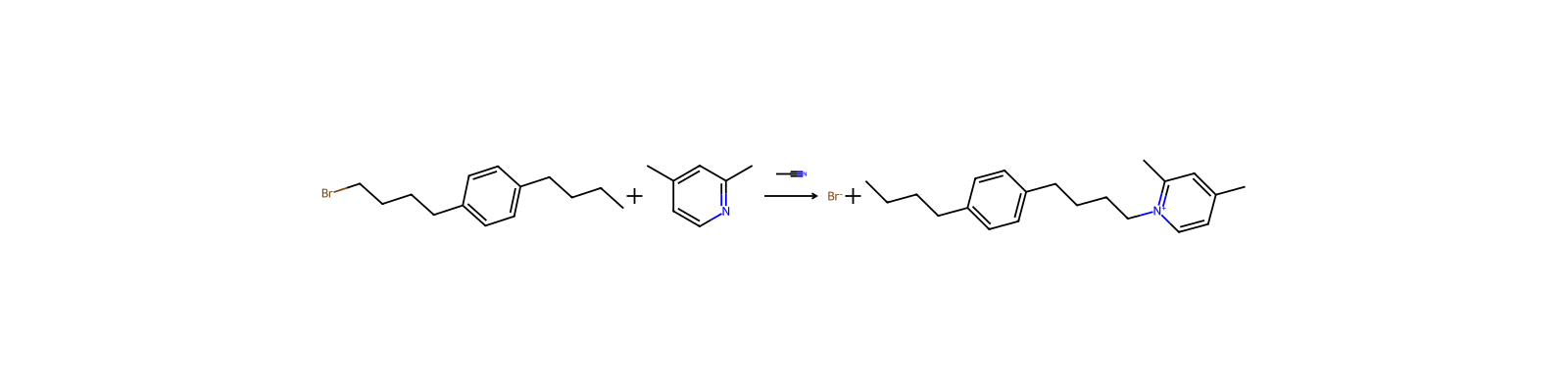
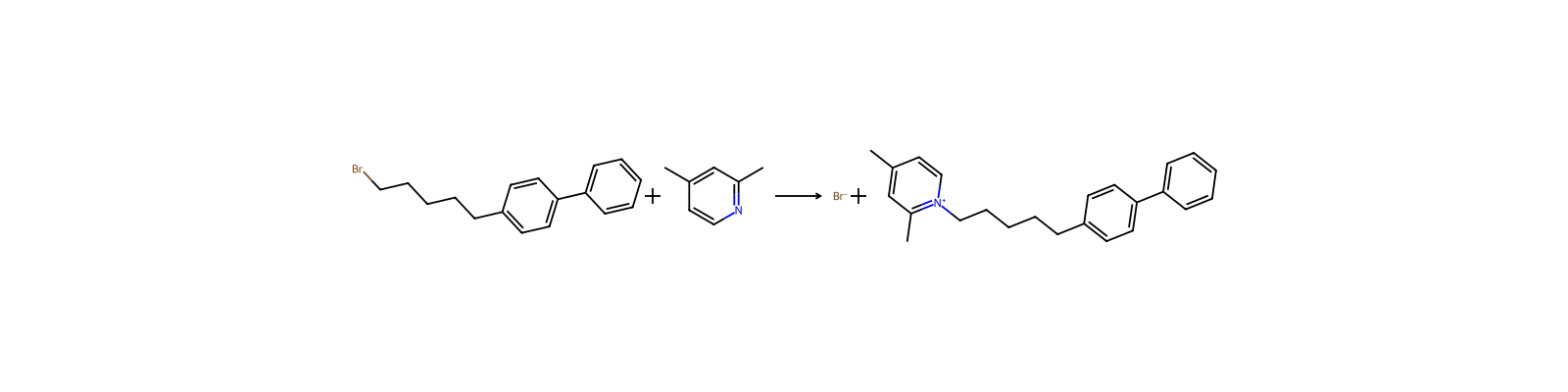
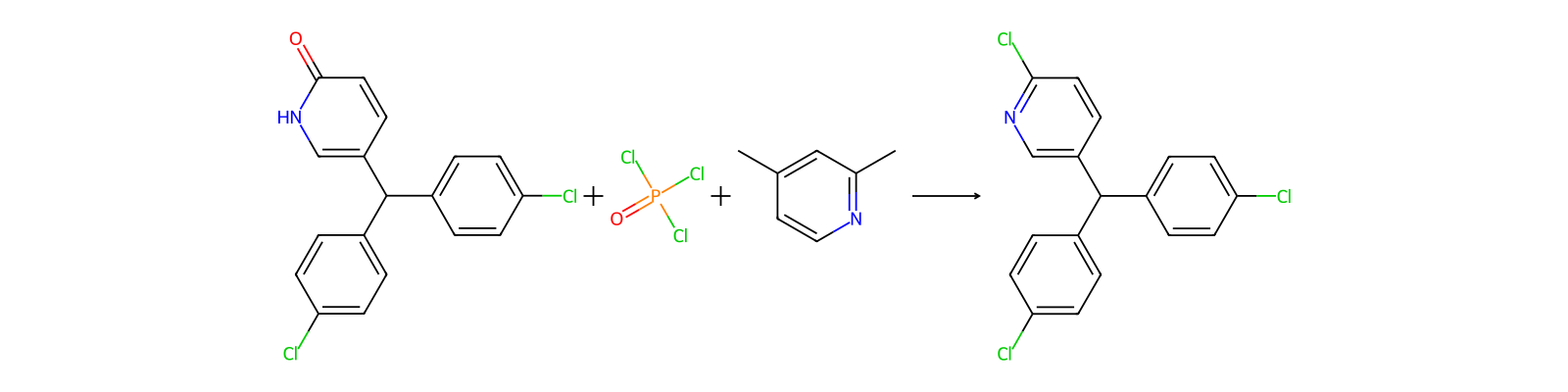
Related reactions
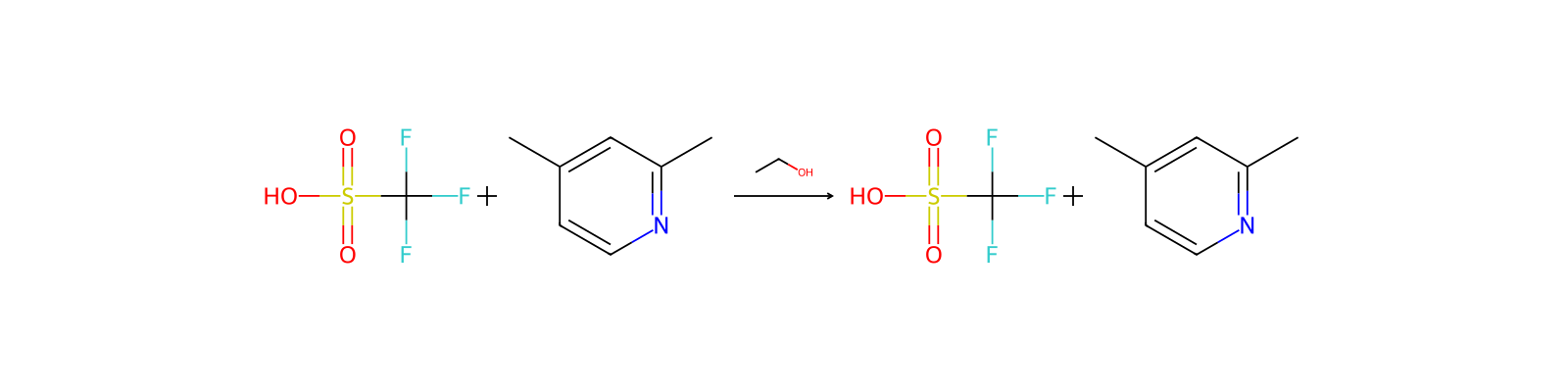
42 records



Linked notes
Loading…