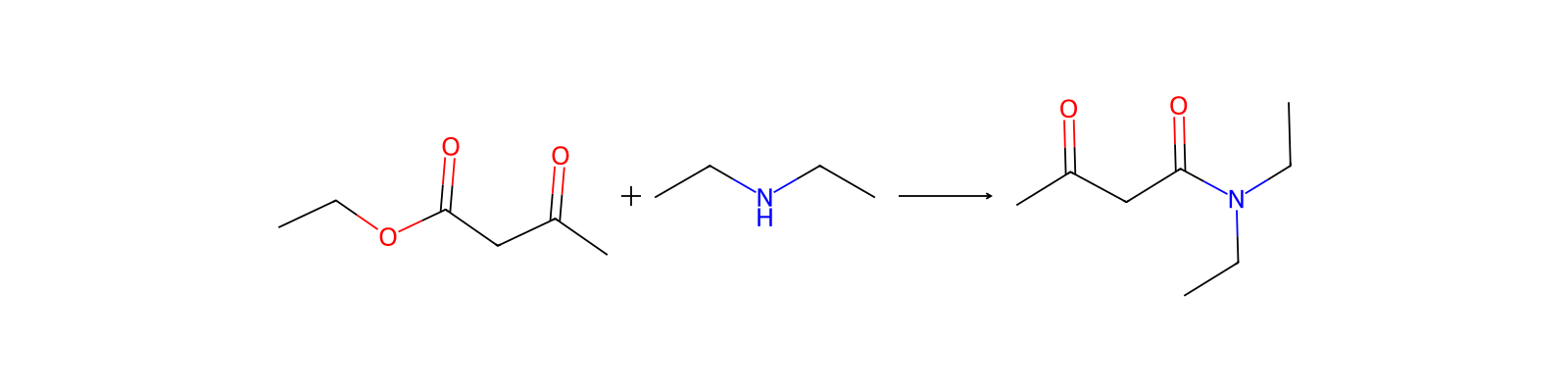
Ethyl Acetoacetate

Basic information
- CAS
141-97-9- Standard SMILES
CCOC(=O)CC(C)=O- InChIKey
XYIBRDXRRQCHLP-UHFFFAOYSA-N- Molecular formula
- C6H10O3
- Average molar mass
- 130.14 g/mol
- Monoisotopic mass
- 130.06299418
Overview
Ethyl acetoacetate appears as a colorless liquid with a fruity odor. Flash point 185 °F. Boiling point 365 °F. May cause adverse health effects if ingested or inhaled. May irritate to skin, eyes and mucous membranes. Used in organic synthesis and in lacquers and paints.
Names & identifiers
- Preferred name
- Ethyl Acetoacetate
- IUPAC
- ethyl 3-oxobutanoate
- English name
- Ethyl acetoacetate
- Molecular formula
- C6H10O3
- Molecular weight
- 130.14
Names & synonyms
ethyl acetoacetateethyl 3-oxobutanoate141-97-9ethyl acetylacetatediacetic etherethyl 3-oxobutyrateButanoic acid, 3-oxo-, ethyl esterAcetoacetic esteracetoacetic acid, ethyl esterethyl acetylacetonate3-oxobutanoic acid ethyl esteractive acetyl acetate
Show more names
ACEEAAEthyl acetoacetate, 99%, pureEthyl acetoacetate, extra pureETHYL ACETOACETATE, 99%ETHYL ACETOACETATE, 99%ETHYL ACETOACETATE, 99%ETHYL ACETOACETATE, 99%FEMA 24153-OXOBUTYRIC ACID ETHYL ESTER
Active acetylacetateEthyl acetyl acetateACETOACETIC ACID ETHYL ESTERethyl beta-ketobutyrateEthylacetacetat1-Ethoxybutane-1,3-dioneethyl-acetoacetateAcetoctan ethylnaty
Database identifiers
- CAS
141-97-9- PubChem CID
- 8868
- DTXSID
DTXSID2027092- ChEMBL
CHEMBL169176- ChEBI
CHEBI:4893- UNII
- IZP61H3TB1
- EC Number
- 205-516-1
- Nikkaji
- J4.493H
Properties
Computed structural properties
- XLogP
- 0.2
- Topological polar surface area
- 43.4 Ų
- Hydrogen bond donors
- 0
- Hydrogen bond acceptors
- 3
- Rotatable bonds
- 4
- Heavy atoms
- 9
- Formal charge
- 0
- Complexity
- 117
Experimental & physicochemical properties
Chemical ClassesOther Classes -> Esters, Other
SpringerMaterials PropertiesBoiling point
FragrancesFragrance Ingredient (Ethyl acetoacetate) -> IFRA transparency List
LogP
log Kow = 0.25
0.25
0.27
0.25
OdorPLEASANT GREEN, FRUITY, RUM ODOR
TasteRIPE FRUIT TASTE
Food AdditivesFLAVORING AGENT OR ADJUVANT -> FDA Substance added to food
Density
1.028 at 68 °F (USCG, 1999) - Denser than water; will sink
1.0282 AT 20 °C/4 °C
Relative density (water = 1): 1.021
1.022-1.027
1.0282 @ 20°C
Flavoring AgentsEU Flavoring substances
Color/Form
Safety & regulation
Safety information is for reference only and does not replace the supplier’s Safety Data Sheet (SDS), applicable regulations, or professional assessment.
GHS classification
GHS Classification
This chemical does not meet GHS hazard criteria for 76.8% (1836 of 2392) of all reports.
Warning
H319 (17.4%): Causes serious eye irritation [Warning Serious eye damage/eye irritation]
P264+P265, P280, P305+P351+P338, and P337+P317 (click each P-code to see the statement)
Aggregated GHS information provided per 2392 reports by companies from 13 notifications to the ECHA C&L Inventory.
Warning
Hazard information
Regulatory Information
Chemical: Butanoic acid, 3-oxo-, ethyl ester
Regulation (EC) No 1831/2003 (amended)
Butanoic acid, 3-oxo-, ethyl ester is listed on the EPA's Chemical Data Reporting (CDR) system. Manufacturers and importers of Butanoic acid, 3-oxo-, ethyl ester are required to report information about their production and use of this chemical to the EPA under the Toxic Substances Control Act (TSCA). (40 eCFR Part 711)
REACH registered substance: Ethyl acetoacetate (EC: 205-516-1)
Ethyl acetoacetate: Does not have an individual approval but may be used under an appropriate group standard
DOT LabelFlammable Liquid
Fire Hazards
Excerpt from ERG Guide 128 [Flammable Liquids (Water-Immiscible)]:
Combustible. Above 70 °C explosive vapour/air mixtures may be formed.
Fire PotentialMODERATE WHEN EXPOSED TO HEAT OR FLAME.
Health HazardsLiquid may cause mild irritation of eyes. (USCG, 1999)
Hazards Summary
A skin and eye irritant; [Hawley] A mutagen; Severe irritant in rabbit eye; [RTECS] A skin, eye, and respiratory tract irritant; [ICSC] Following repeated oral exposure of ethyl acetoacetate in rats, no treatment-related adverse effects (including haematology, clinical chemistry, gross necropsy and histopathology) were reported up to 1000 mg/kg bw/d. There is no information on health effects in humans following repeated exposure to ethyl acetoacetate via any route. [ChemPortal: SIDS] Safe when used as a flavoring agent in food; [JECFA] An eye irritant; A moderate skin and mucous membrane irritant; Emergency treatment: irritants; [HSDB] An irritant; May cause serious eye injury; [MSDSonline]
Chemistry & industry
Pharmacology
Cellular LocationsCytoplasm
Uses & manufacturing
Uses
Used in lacquers and plastics, to make pharmaceuticals, and as a flavoring agent; [Hawley] Used to make inks, photographic and vat dyes, yellow pigments in paints, amino acids, methionine, analgesics, and aminopyrene; [HSDB] Primarily used as a chemical intermediate; Also used in consumer cleaning supplies and cosmetics and as a solvent in paints; [ExPub: European Commission]
Painting (Solvents) [Category: Paint]
FLAVORING AGENT IN FOOD
CHEMICAL INTERMEDIATE FOR YELLOW PIGMENTS IN PAINTS, LACQUERS, INKS, PHOTOGRAPHIC & VAT DYES, AMINO ACIDS, METHIONINE, ANTIMALARIAL AGENTS (ATABRINE), THIAMINE (VITAMIN B1), ANALGESICS, ANTIPYRENE, & AMINOPYRENE
U.S. Exports
(1972) No Data
(1975) No Data
(1986) No Data
U.S. Imports
(1972) No Data
(1975) No Data
(1986) No Data
U.S. Production
2023: 8,500,000 - <10,000,000 lb
(1972) GREATER THAN 9.08X10+5 GRAMS
(1975) GREATER THAN 4.54X10+5 GRAMS
(1986) No Data
Consumer UsesSolvent
Industry UsesNot Known or Reasonably Ascertainable
Methods of Manufacturing
REACTION OF HIGH-PURITY ETHYL ACETATE WITH METALLIC SODIUM FOLLOWED BY NEUTRALIZATION WITH SULFURIC ACID
...FROM ETHYL ACETATE BY ACTION OF SODIUM, SODIUM ETHOXIDE, SODAMIDE OR CALCIUM: INGLIS, ROBERTS, ORG SYN COLL VOL 1, 2ND EDITION (1941) PAGE 235; HANSLEY, SCHOTT, US PATENT 2,843,623 (1958 TO NATIONAL DISTILLERS)...
Related reactions
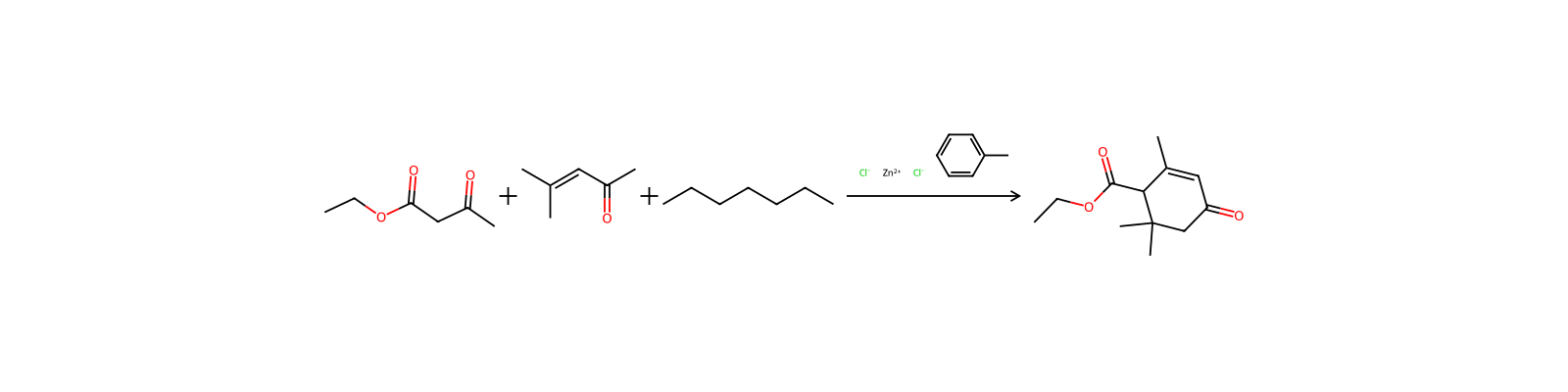
1,570 records




Compound notes
Loading…