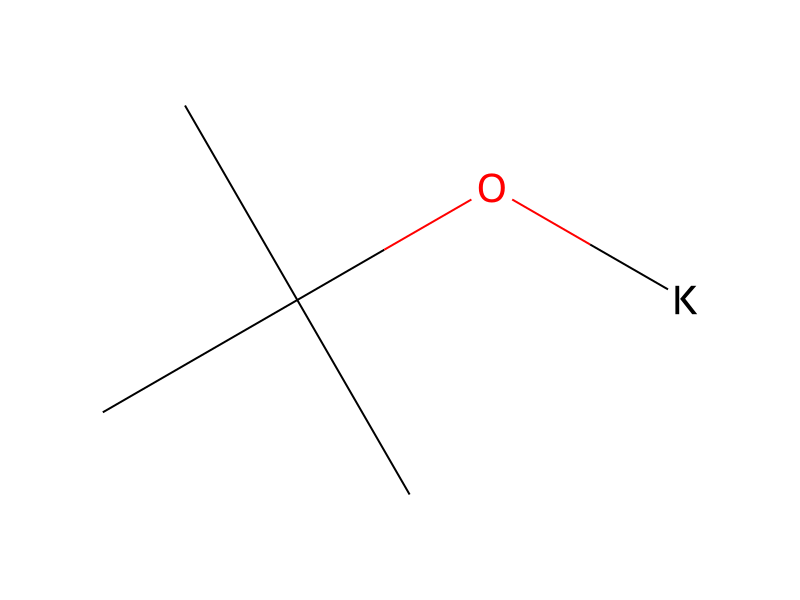
C1(S([C:10]2[CH:11]3[CH2:21][CH2:20][CH:18]([CH:19]=2)[C:17]2[C:12]3=[CH:13][CH:14]=[CH:15][CH:16]=2)(=O)=O)C=CC=CC=1.[N+:22]([CH2:24][C:25]([O:27][CH2:28][CH3:29])=[O:26])#[C-:23].C(O[K])(C)(C)C.Cl>C1COCC1>[CH2:28]([O:27][C:25]([C:24]1[NH:22][CH:23]=[C:19]2[C:10]=1[CH:11]1[CH2:21][CH2:20][CH:18]2[C:17]2[CH:16]=[CH:15][CH:14]=[CH:13][C:12]=21)=[O:26])[CH3:29]Under an argon atmosphere, 0.296 g (1.0 mmol) of the obtained 1,4-dihydro-2-phenylsulfonyl-1,4-ethanonaphthalene, 0.13 ml (1.15 mmol) of ethyl isocyano-acetate and 30 ml of anhydrous THF were charged and cooled to 0° C. Into the mixture, 1.7 ml of tert-BuOK (1 M THF solution) was dropped over two hours and the resultant mixture was stirred for three hours at room temperature. After the completion of reaction, the reaction mixture was added with dilute hydrochloric acid, washed in turn with an aqueous saturated sodium bicarbonate solution, distilled water and saturated saline and dried with anhydrous sodium sulfate. The product was purified with silica gel column chromatography (chloroform) to obtain ethyl-4,9-dihydro-4,9-ethano-2H-benz[f]isoindole-1-carboxylate (0.243 g, yield: 91%).
Loading…