HomeMCPWorkbenchSkills
HomeWorkbenchNotificationsMe
llms.txt · MCP GuidePrivacy Policy · Terms of Service · Supportv1.8.3
  1. Home
  2. /Reaction

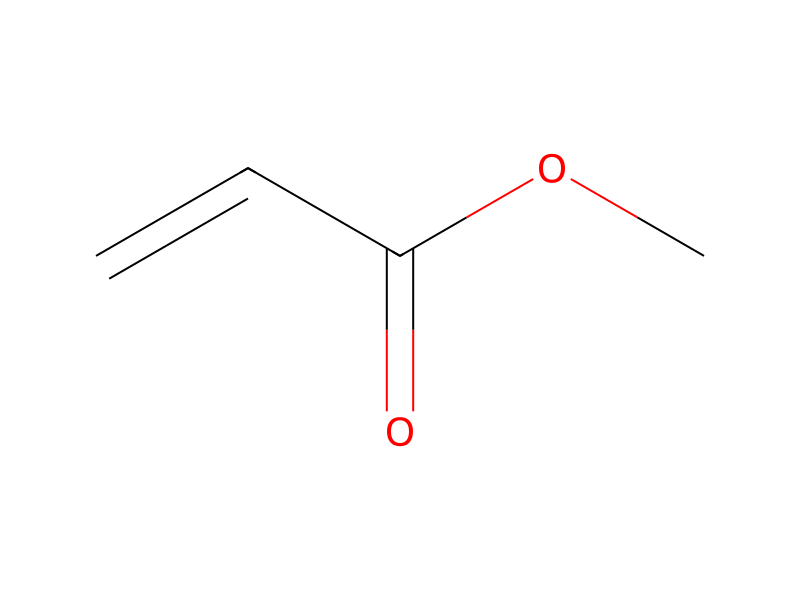
Methyl Acrylate → Methyl 2-[(3-chloro-4-fluorophenyl)(hydroxy)methyl]prop-2-enoate

HRID 1022557
Print

Reaction equation

HRID 1022557 reaction equation
[Cl:1][C:2]1[CH:3]=[C:4]([CH:7]=[CH:8][C:9]=1[F:10])[CH:5]=[O:6].[C:11]([O:15][CH3:16])(=[O:14])[CH:12]=[CH2:13].N12CCN(CC1)CC2>C(#N)C>[Cl:1][C:2]1[CH:3]=[C:4]([CH:5]([OH:6])[C:12](=[CH2:13])[C:11]([O:15][CH3:16])=[O:14])[CH:7]=[CH:8][C:9]=1[F:10]
ParticipantsProcedureWorkupSources & evidenceReaction notes

Participants

5

Reactant 3

HCID 7294Methyl AcrylateHCID 9237DabcoHCID 5938663-Chloro-4-fluorobenzaldehyde

Product 1

HCID 66975226Methyl 2-[(3-chloro-4-fluorophenyl)(hydroxy)methyl]prop-2-enoate

Reagents, catalysts & solvents 1

HCID 6342AcetonitrileSolvent

Procedure

To a solution of 3-chloro-4-fluorobenzaldehyde (10.0 g) and methyl acrylate (8.5 mL) in acetonitrile (63 mL) was added 1,4-diazabicyclo[2.2.2]octane (1.41 g), and the mixture was stirred at room temperature for 5 days. The reaction mixture was concentrated under reduced pressure, and the residue was purified by silica gel chromatography (hexane/ethyl acetate) to give the title compound (11.5 g).

Workup

  1. concentrationThe reaction mixture was concentrated under reduced pressure
  2. customthe residue was purified by silica gel chromatography (hexane/ethyl acetate)

Sources & evidence

ORD record
ord-3f1006feeab8447fba58b1dcca936f02
Source dataset
uspto-grants-2014_05
DOI
10.6084/m9.figshare.5104873.v1
Patent number
US08722662B2

Reaction notes

On this pageParticipantsProcedureWorkupSources & evidenceReaction notes