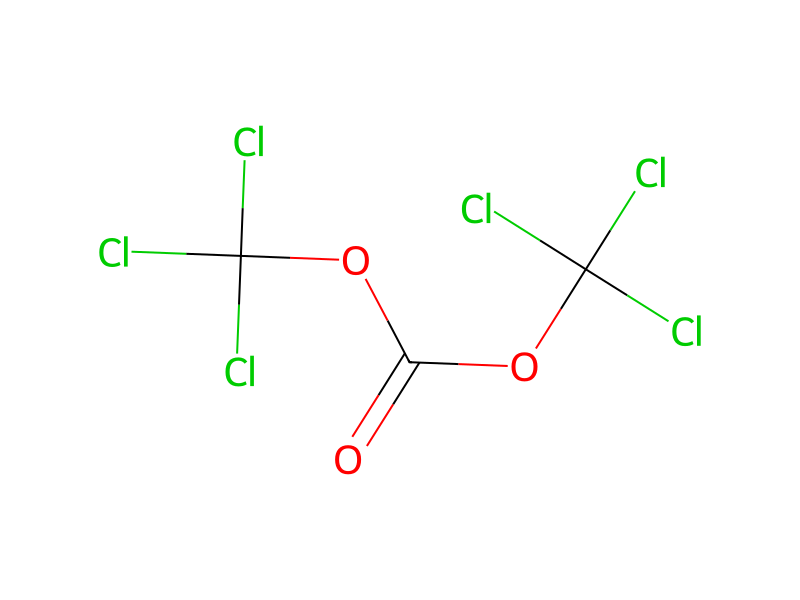
[CH3:1][C:2]([C:5]([NH:7][C:8]1[CH:13]=[CH:12][C:11]([O:14][C:15]2[CH:20]=[CH:19][CH:18]=[C:17]([O:21][CH3:22])[CH:16]=2)=[CH:10][CH:9]=1)=[O:6])([CH3:4])[NH2:3].C(N(CC)CC)C.Cl[C:31](Cl)([O:33]C(=O)OC(Cl)(Cl)Cl)Cl>ClCCl>[CH3:4][C:2]1([CH3:1])[NH:3][C:31](=[O:33])[N:7]([C:8]2[CH:13]=[CH:12][C:11]([O:14][C:15]3[CH:20]=[CH:19][CH:18]=[C:17]([O:21][CH3:22])[CH:16]=3)=[CH:10][CH:9]=2)[C:5]1=[O:6]To a solution of 2-methyl-N1-(4-{[3-(methyloxy)phenyl]oxy}phenyl)alaninamide (Intermediate 72, 1.33 g) and triethylamine (3.70 mL, 26.6 mmol) in dry dichloromethane (80 mL) at 0° C. was added dropwise a solution of triphosgene (600 mg, 2.022 mmol) in dry dichloromethane (20 mL) and the reaction mixture was stirred for 30 minutes at the same temperature. The reaction was quenched with a saturated solution of ammonium chloride (100 mL) and two phases were separated. Aqueous layer was extracted with dichloromethane (100 mL) and the two organic phases were collected, dried over sodium sulphate, filtered and evaporated. The residue was purified by silica gel chromatography (Biotage system, 100 g SNAP cartridge) using as eluent a gradient and cyclohexane/ethyl acetate from 80/20 to 40/60 to afford the title compound as a white solid (950 mg).