Reaction equation
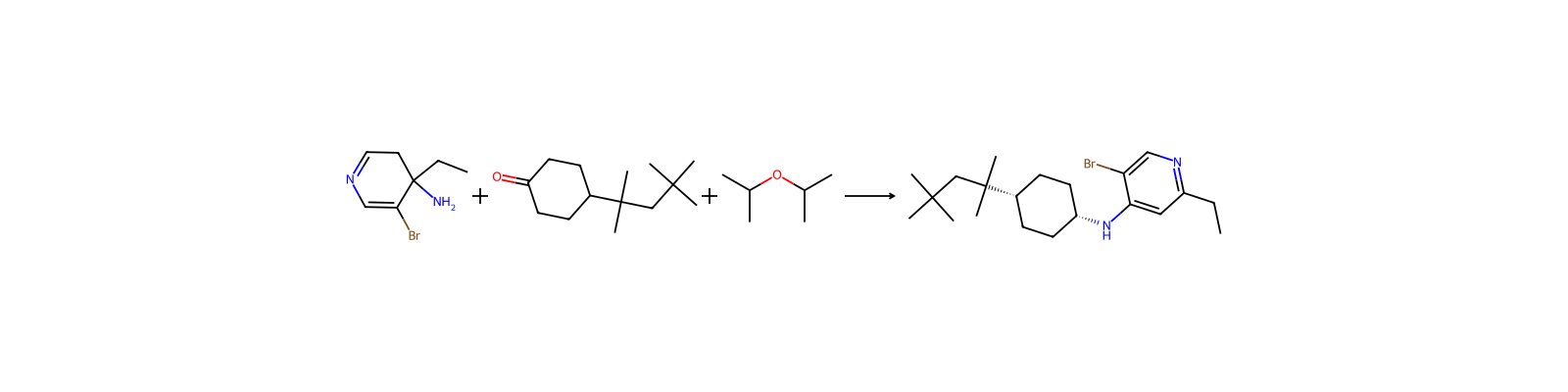
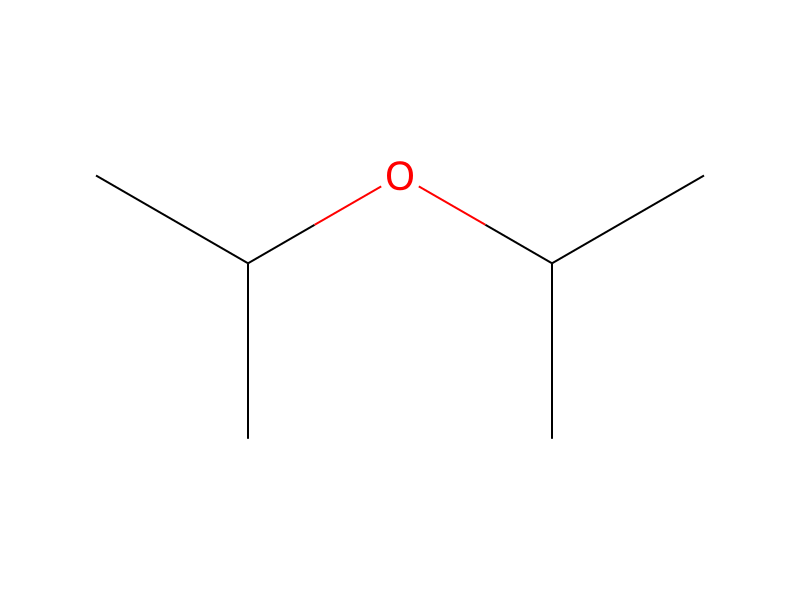
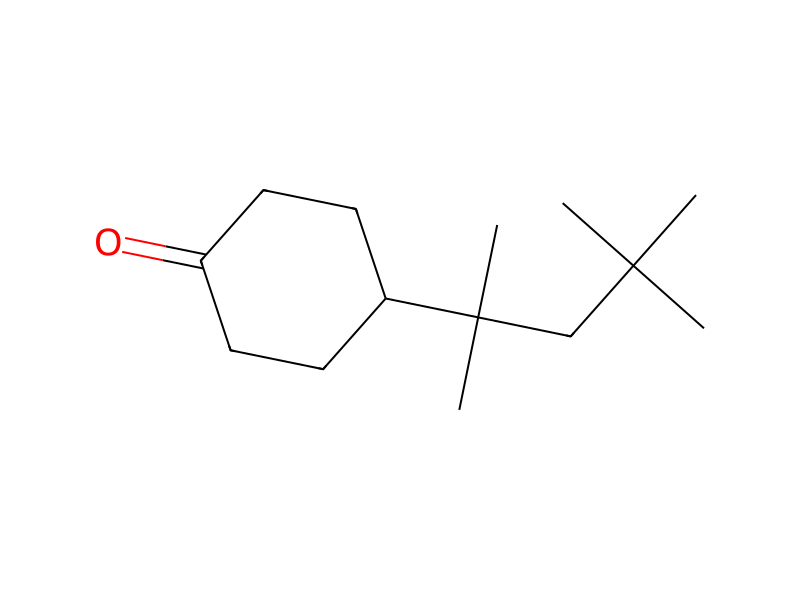
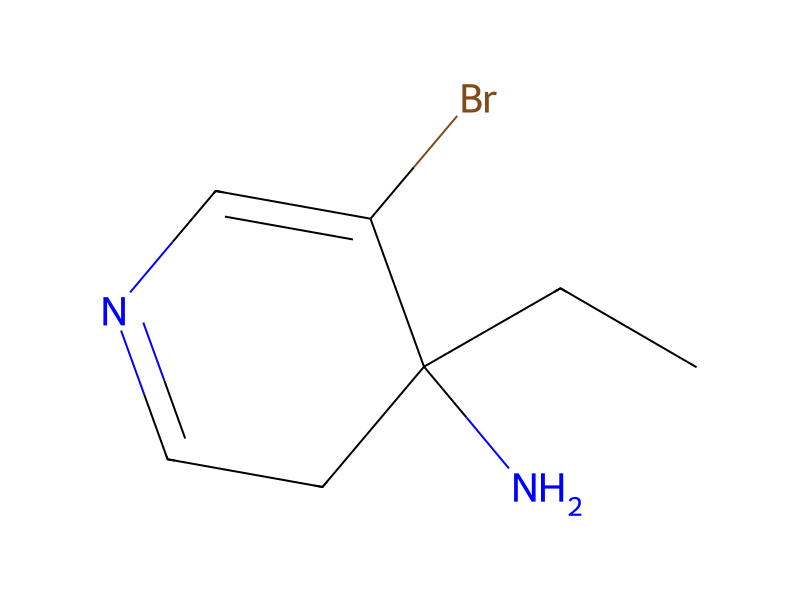
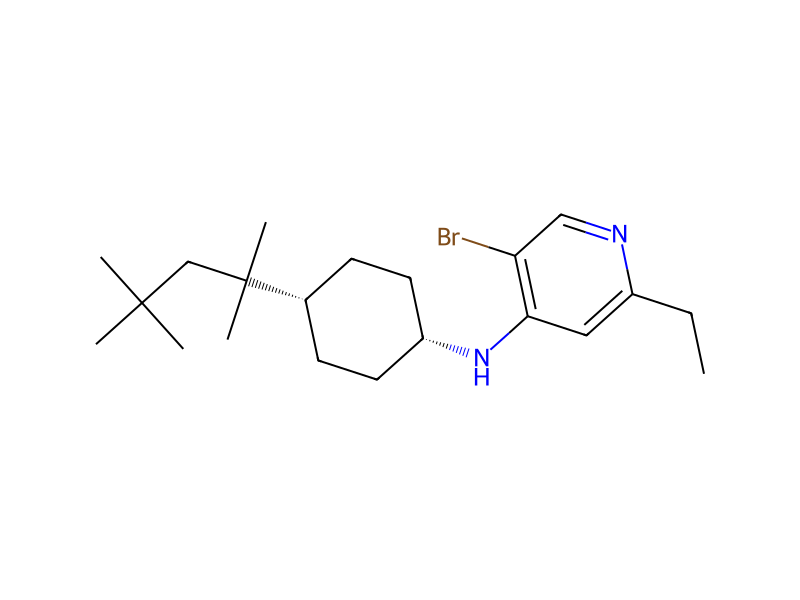
C([C:3]1([NH2:10])[C:8]([Br:9])=[CH:7][N:6]=[CH:5][CH2:4]1)C.[CH3:11][C:12]([CH:19]1[CH2:24][CH2:23][C:22](=O)[CH2:21][CH2:20]1)([CH3:18])[CH2:13][C:14]([CH3:17])([CH3:16])[CH3:15].[CH:26](OC(C)C)(C)[CH3:27]>>[CH2:26]([C:5]1[CH:4]=[C:3]([NH:10][C@H:22]2[CH2:23][CH2:24][C@@H:19]([C:12]([CH3:18])([CH3:11])[CH2:13][C:14]([CH3:17])([CH3:16])[CH3:15])[CH2:20][CH2:21]2)[C:8]([Br:9])=[CH:7][N:6]=1)[CH3:27]Participants
4
Procedure
As Example 75, but using 2.01 g (10 mmol) of 4-ethyl-4-amino-5-bromopyridine instead of 2-ethyl-3-bromo-4-aminopyridine and 4.2 g (20 mmol) of 4-(1,1,3,3-tetramethylbutyl)cyclohexanone instead of 4-phenylcyclohexanone. Yield: 1.9 g (48%); Rf =0.39 (diisopropyl ether)
Sources & evidence
- ORD record
- ord-bbef73e40290461c80e983d0e34bab95
- Source dataset
- uspto-grants-1998_03
- Patent number
- US05723450
Linked notes
Loading…