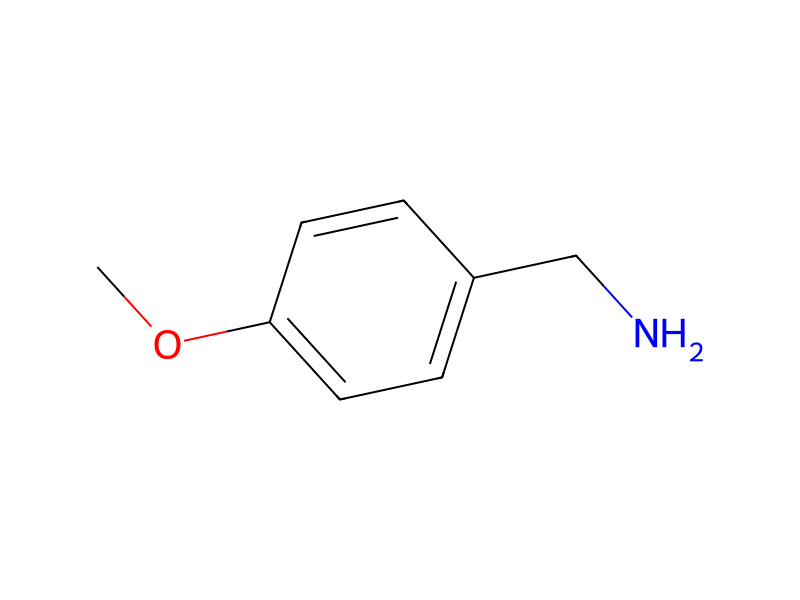
[Br:1][C:2]1[CH:3]=[C:4]2[C:9](=[CH:10][CH:11]=1)[N:8]=[C:7](Cl)[C:6]([I:13])=[CH:5]2.[CH3:14][O:15][C:16]1[CH:23]=[CH:22][C:19]([CH2:20][NH2:21])=[CH:18][CH:17]=1.O>CN1CCCC1=O>[Br:1][C:2]1[CH:3]=[C:4]2[C:9](=[CH:10][CH:11]=1)[N:8]=[C:7]([NH:21][CH2:20][C:19]1[CH:22]=[CH:23][C:16]([O:15][CH3:14])=[CH:17][CH:18]=1)[C:6]([I:13])=[CH:5]2A glass microwave reaction vessel was charged with 6-bromo-2-chloro-3-iodoquinoline (0.918 g, 2.492 mmol) and 4-methoxybenzylamine (2.279 mL, 17.44 mmol) in N-methyl-2-pyrrolidinone (3.56 mL). The reaction mixture was stirred and heated in a microwave reactor at 130° C. for 20 min. The solution was poured into water and extracted with diethyl ether. The combined organic extracts were washed with saturated ammonium chloride, water, saturated sodium chloride, and dried over magnesium sulfate. The solution was filtered and concentrated in vacuo to give the crude material 6-bromo-3-iodo-N-(4-methoxybenzyl)quinolin-2-amine as a tan solid which was used without further purification.