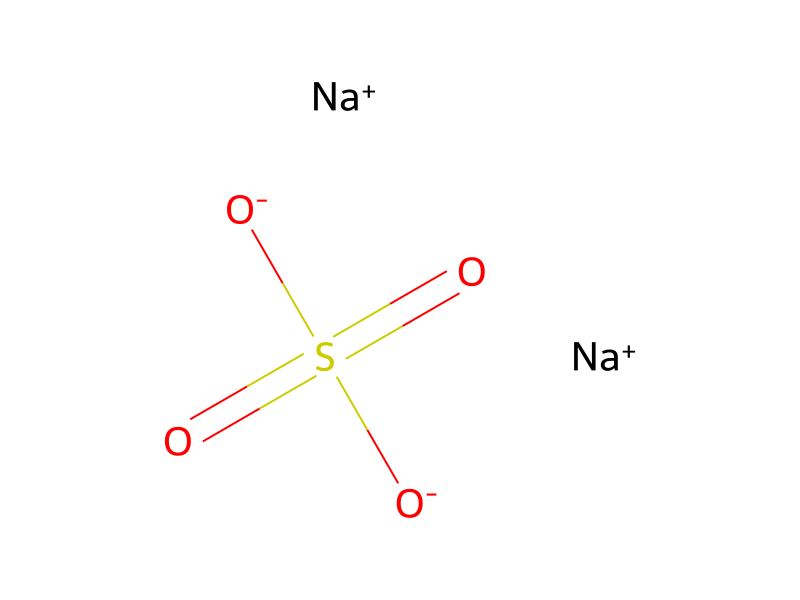
[O-:1]S([O-])(=O)=O.[Na+].[Na+].C1C=C(Cl)C=C(C(OO)=O)C=1.[CH2:19]([O:21][C:22]([C:24]1[C:25]([C:32]2[CH:37]=[CH:36][CH:35]=[CH:34][C:33]=2[F:38])=[N:26][C:27]([S:30][CH3:31])=[N:28][CH:29]=1)=[O:23])[CH3:20].C([O-])(O)=O.[Na+]>C(Cl)Cl>[CH2:19]([O:21][C:22]([C:24]1[C:25]([C:32]2[CH:37]=[CH:36][CH:35]=[CH:34][C:33]=2[F:38])=[N:26][C:27]([S:30]([CH3:31])=[O:1])=[N:28][CH:29]=1)=[O:23])[CH3:20]A Na2SO4-dried solution of m-CPBA (10.64 g, ca. 45 mmol) in CH2Cl2 (100 mL) was added drop wise to a cold (−65° C.) solution of 4-(2-fluoro-phenyl)-2-methylsulfanyl-pyrimidine-5-carboxylic acid ethyl ester in CH2Cl2 (200 mL) keeping the temperature below −65° C. The yellow suspension was allowed to warm to 0° C. over 1 hour. After 3 hours at 0° C., a saturated aqueous NaHCO3 solution (100 mL) was added to quench the reaction. The organic layer was separated, washed with saturated aqueous NaCl solution, dried over Na2SO4, and concentrated. The product was taken up in CH2Cl2 and washed again with a saturated aqueous NaHCO3 solution to remove traces of m-C(P)BA giving 4-(2-fluoro-phenyl)-2-methanesulfinyl-pyrimidine-5-carboxylic acid ethyl ester (12.86 g, >100%).