HomeMCPWorkbenchSkills
HomeWorkbenchNotificationsMe
llms.txt · MCP GuidePrivacy Policy · Terms of Service · Supportv1.8.0
  1. Home
  2. /Reaction

1-Bromohexane → 6-Bromo-2-(2-phenylpropyl)-isoquinolin-1-one

HRID 1037621
Notes
Print preview

Reaction equation

HRID 1037621 reaction equation
[Br:1][C:2]1[CH:3]=[C:4]2[C:9](=[CH:10][CH:11]=1)[C:8]([OH:12])=[N:7][CH:6]=[CH:5]2.[CH2:13](Br)[CH2:14][CH2:15][CH2:16][CH2:17]C.[OH-].[Na+].[CH3:22][C:23](OC)([CH3:25])[CH3:24]>[Br-].C([N+](CCCC)(CCCC)CCCC)CCC.C1(C)C=CC=CC=1>[Br:1][C:2]1[CH:3]=[C:4]2[C:9](=[CH:10][CH:11]=1)[C:8](=[O:12])[N:7]([CH2:22][CH:23]([C:25]1[CH:17]=[CH:16][CH:15]=[CH:14][CH:13]=1)[CH3:24])[CH:6]=[CH:5]2
ParticipantsProcedureWorkupSources & evidenceReaction notes

Participants

7

Reactant 4

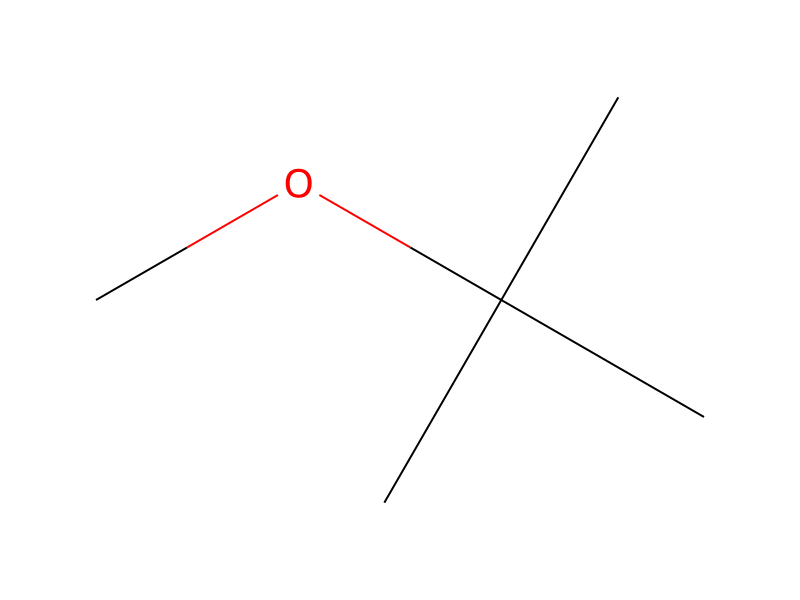
HCID 81011-BromohexaneHCID 14798Sodium HydroxideHCID 15413tert-Butyl methyl etherHCID 178517609HCID 178517609, compound

Product 1

HCID 667325006-Bromo-2-(2-phenylpropyl)-isoquinolin-1-oneYield 32%

Reagents, catalysts & solvents 2

HCID 74236
Tetrabutylammonium Bromide
Catalyst
HCID 1140TolueneSolvent

Procedure

6-Bromo-1-hydroxyisoquinoline (200 mg, 0.89 mmol, 1.0 equiv), tetrabutylammonium bromide (30 mg, 0.09 mmol, 0.1 equiv), and hexyl bromide (150 uL, 1.1 mmol, 1.2 equiv) were combined in toluene (10 mL) and treated with 50% aq. NaOH (2 mL), and the resulting mixture was stirred rapidly at ambient temperature. After an additional 14 hours of stirring at room temperature, the mixture was diluted with MTBE and washed with water, sat. NaHCO3, and brine. The organic phase was dried over Na2SO4. Addition of silica gel, concentration, and purification of the residue using flash silica gel chromatography (gradient of 3-12% ethyl acetate/hexanes) gave 6-bromo-2-(2-phenylpropyl)-isoquinolin-1-one (87 mg, 0.28 mmol, 32%) as white crystals. This isoquinolinone (87 mg, 0.28 mmol) was converted, via Methods 1 and 2, to compound 7 (27 mg, 35%) which was isolated as a white solid. [M−H]−=372.2 m/z. Activity: A

Workup

  1. stirringAfter an additional 14 hours of stirring at room temperature
  2. washwashed with water, sat. NaHCO3, and brine
  3. dry with materialThe organic phase was dried over Na2SO4
  4. additionAddition of silica gel, concentration, and purification of the residue

Sources & evidence

ORD record
ord-30781cd5c8a6485096277dbfa92f0f00
Source dataset
uspto-grants-2013_10
DOI
10.6084/m9.figshare.5104873.v1
Patent number
US08546564B2

Reaction notes

Loading…

On this pageParticipantsProcedureWorkupSources & evidenceReaction notes