Potassium Carbonate → HCID 66794001, compound
Reaction equation

[NH2:1][C:2]1[CH:6]=[C:5]([C:7]([CH3:12])([CH2:10][OH:11])[CH2:8][OH:9])[O:4][N:3]=1.C(=O)([O-])[O-].[K+].[K+].Cl[C:20]([O:22][C:23]1[CH:28]=[CH:27][CH:26]=[CH:25][CH:24]=1)=[O:21]>C1COCC1>[OH:9][CH2:8][C:7]([C:5]1[O:4][N:3]=[C:2]([NH:1][C:20](=[O:21])[O:22][C:23]2[CH:28]=[CH:27][CH:26]=[CH:25][CH:24]=2)[CH:6]=1)([CH3:12])[CH2:10][OH:11]Participants
5
Reactant 3

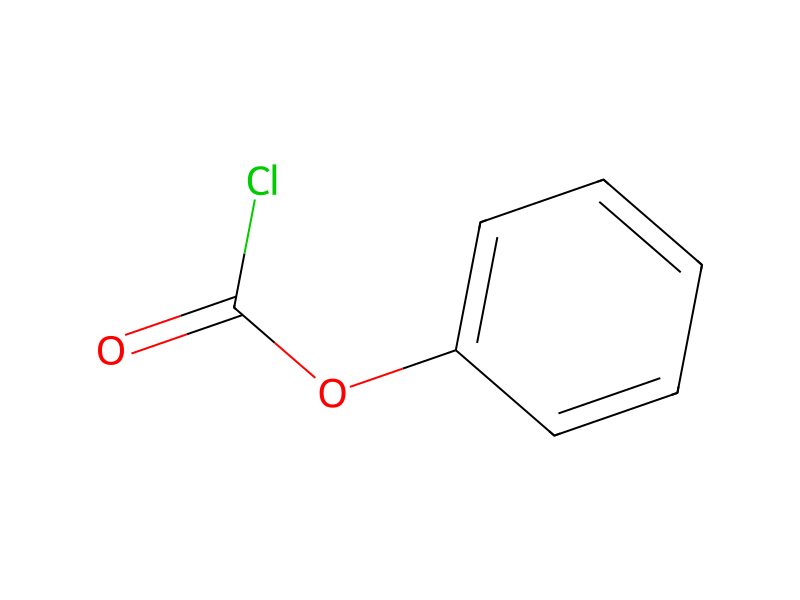

Product 1

Reagents, catalysts & solvents 1

Procedure
To a stirred mixture of 2-(3-aminoisoxazol-5-yl)-2-methylpropane-1,3-diol (1 equivalent) and potassium carbonate (2-5 equivalents) in anhydrous THF at rt is added dropwise phenyl chloroformate (1-2 equivalents) and stirring is continued at rt until the reaction is substantially complete as monitored by LCMS or TLC. The mixture is concentrated under reduced pressure and the residue is partitioned between water and dichloromethane. The organic layer is separated and the aqueous layer is further extracted with dichloromethane. The combined organic extracts are washed with water or brine, then dried over magnesium sulfate, filtered, and concentrated under reduced pressure. The residue is purified by silica gel flash chromatography to afford phenyl 5-(1,3-dihydroxy-2-methylpropan-2-yl)isoxazol-3-ylcarbamate.