Reaction equation

N#N.[Br:3][C:4]1[S:5][C:6]([C:9](=[O:11])[CH3:10])=[CH:7][N:8]=1.COC([O:17][CH3:18])OC.[C:19]([O-])(O)=O.[Na+]>C(O)CO>[Br:3][C:4]1[S:5][C:6]([C:9]2([CH3:10])[O:17][CH2:18][CH2:19][O:11]2)=[CH:7][N:8]=1Participants
6

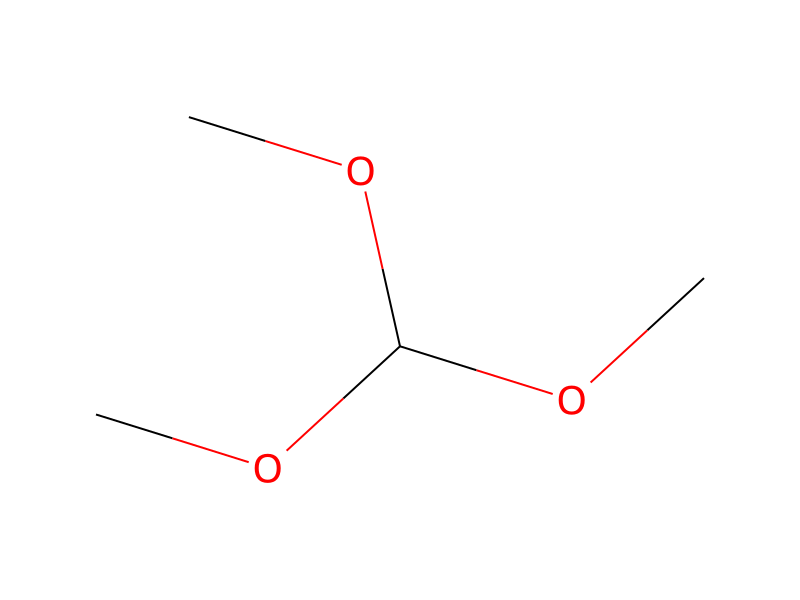



Conditions
- Temperature
- 95 °C
Procedure
In a flame dried round-bottomed flask equipped with a magnetic stir bar and a condenser under inert atmosphere (N2), a solution of 1-(2-bromo-thiazol-5-yl)-ethanone (16.22 g, 78.71 mmol) in ethylene glycol (85 mL) was treated with trimethylorthoformate (18 mL, 164.19 mmol) followed by LiBF4 (1.51 g, 15.74 mmol). The reaction mixture was heated at 95° C. for 2 days. Sat. aq. NaHCO3 was added and the mixture was extracted with Et2O (3×). The org. extracts were washed with brine, dried over MgSO4, filtered, and the solvent was removed under reduced pressure. Purification of the residue by FC (20:1 to 3:1 hept-EA) gave the title compound as a yellow solid. TLC:rf (1:1 hept-EA)=0.63. LC-MS-conditions 02: tR=0.89 min; [M+H]+=250.24.
Workup
- extractionthe mixture was extracted with Et2O (3×)
- washextracts were washed with brine
- dry with materialdried over MgSO4
- filtrationfiltered
- customthe solvent was removed under reduced pressure
- customPurification of the residue by FC (20:1 to 3:1 hept-EA)
Sources & evidence
- ORD record
- ord-310be4375919419b9130be1b8e51e298
- Source dataset
- uspto-grants-2013_10
- Patent number
- US08563714B2
Linked notes
Loading…