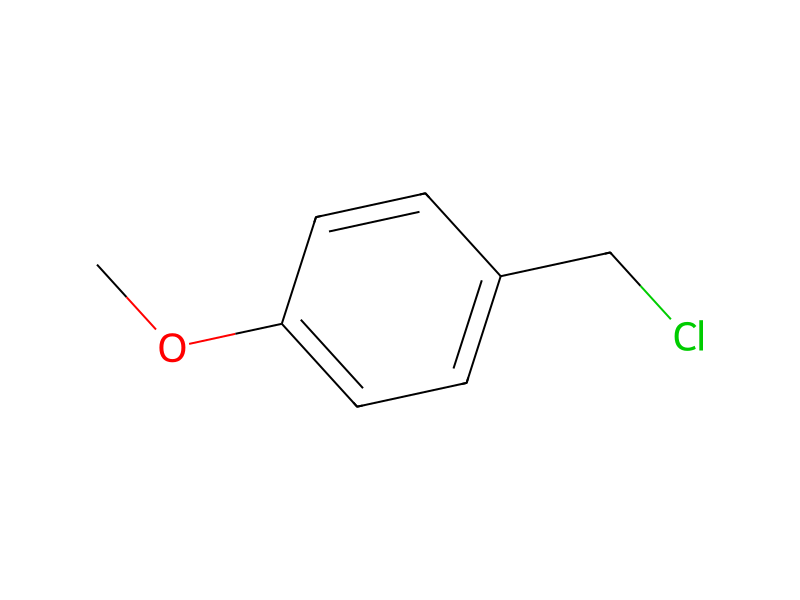
[Br:1][C:2]1[C:7](=[O:8])[NH:6][C:5]([C:9]([O:11][CH2:12][CH3:13])=[O:10])=[C:4]([Cl:14])[CH:3]=1.[CH3:15][O:16][C:17]1[CH:24]=[CH:23][C:20]([CH2:21]Cl)=[CH:19][CH:18]=1.C(=O)([O-])[O-].[K+].[K+]>CN(C)C=O.O>[Br:1][C:2]1[C:7](=[O:8])[N:6]([CH2:21][C:20]2[CH:23]=[CH:24][C:17]([O:16][CH3:15])=[CH:18][CH:19]=2)[C:5]([C:9]([O:11][CH2:12][CH3:13])=[O:10])=[C:4]([Cl:14])[CH:3]=1A solution of ethyl 5-bromo-3-chloro-6-oxo-1,6-dihydropyridine-2-carboxylate (3.0 g, 10.7 mmol), 4-methoxybenzyl chloride (4.19, 26.74 mmol) and potassium carbonate (4.43 g, 32.09 mmol) in dimethylformamide (40 ml) was stirred at room temperature for 16 h. After completion, the reaction mixture was diluted with cold water (20 mL) and extracted with ethyl acetate (3×30 mL). The organic layer was again washed with brine, separated, dried over Sodium sulfate, filtered and concentrated under reduced pressure. The residue was finally purified by flash column chromatography to afford ethyl 5-bromo-3-chloro-1-(4-methoxybenzyl)-6-oxo-1,6-dihydropyridine-2-carboxylate (2) as off white solid. Yield: 1.2 g, 28%; MS (ESI) m/z 399.99 [M+1]+; 1H NMR (400 MHz, DMSO-d6) δ 8.27 (s, 1H), 7.11 (d, J=8.64 Hz, 2H), 6.89 (d, J=8.6 Hz, 2H), 5.11 (s, 2H), 4.27 (q, J=7.12 Hz, 2H), 3.72 (s, 3H), 1.13 (t, J=7.12 Hz, 3H).