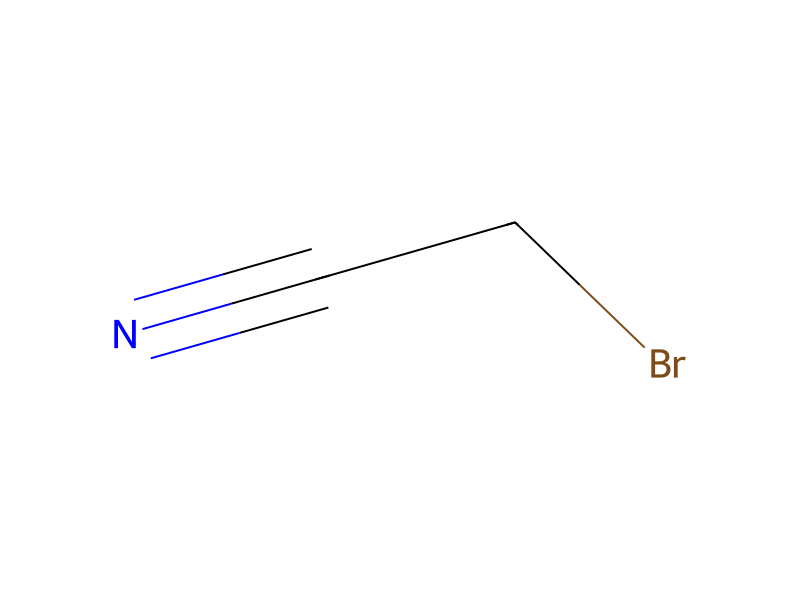
[CH2:1]([N:8]1[C:20]2[CH:19]=[CH:18][C:17]([Cl:21])=[C:16]([OH:22])[C:15]=2[C:14]2[C:9]1=[CH:10][CH:11]=[CH:12][CH:13]=2)[C:2]1[CH:7]=[CH:6][CH:5]=[CH:4][CH:3]=1.Br[CH2:24][C:25]#[N:26].C(=O)([O-])[O-].[K+].[K+]>CN(C=O)C>[CH2:1]([N:8]1[C:20]2[CH:19]=[CH:18][C:17]([Cl:21])=[C:16]([O:22][CH2:24][C:25]#[N:26])[C:15]=2[C:14]2[C:9]1=[CH:10][CH:11]=[CH:12][CH:13]=2)[C:2]1[CH:7]=[CH:6][CH:5]=[CH:4][CH:3]=1A mixture of 9-benzyl-3-chloro-9H-carbazol-4-ol (0.227 g, 0.739 mmol), bromoacetonitrile (0.177 g, 1.48 mmol), potassium carbonate (0.204 g, 1.48 mmol), and DMF (2 mL) is heated at 85° C. for 4 h, then allowed to cool and stir at room temperature for 12 h. Additional bromoacetonitrile (0.177 g) and potassium carbonate (0.204 g) are added and the mixture is heated again at 85° C. for 2 h. After cooling, the mixture is combined with that from another experiment run in the same manner (starting with 0.15 g of 9-benzyl-3-chloro-9H-carbazol-4-ol) and the combined mixtures are partitioned between ethyl acetate-aq. ammonium chloride/brine and brine. The organic layer is dried over magnesium sulfate and concentrated to dryness. Chromatography on silica gel (55 mL) using ethyl acetate-hexane (10/90) gave 0.292 g of [(9-benzyl-3-chloro-9H-carbazol-4-yl)oxy]acetonitrile as a clear liquid. 1H NMR (CDCl3) δ5.07, 5.50, 7.11, 7.15, 7.25-7.47, 7.50, 8.34.
Loading…