Reaction equation

[Na+].[Br-].[CH3:3]C1(C)N([O])C(C)(C)CCC1.C(N(CC(O)=O)CC(O)=O)CN(CC(O)=O)CC(O)=O.C([O-])(O)=O.[Na+].C(OO)(=O)C.[OH-].[Na+].[O:46]=[CH:47][C@@H:48]([C@H:50]([C@H:52]([C@@H:54]([C:56]([OH:58])=[O:57])[OH:55])[OH:53])[OH:51])O>O>[O:58]([CH3:3])[C@H:56]1[O:57][C@H:48]([CH2:47][OH:46])[C@@H:50]([OH:51])[C@H:52]([OH:53])[C@H:54]1[OH:55]Participants







Procedure
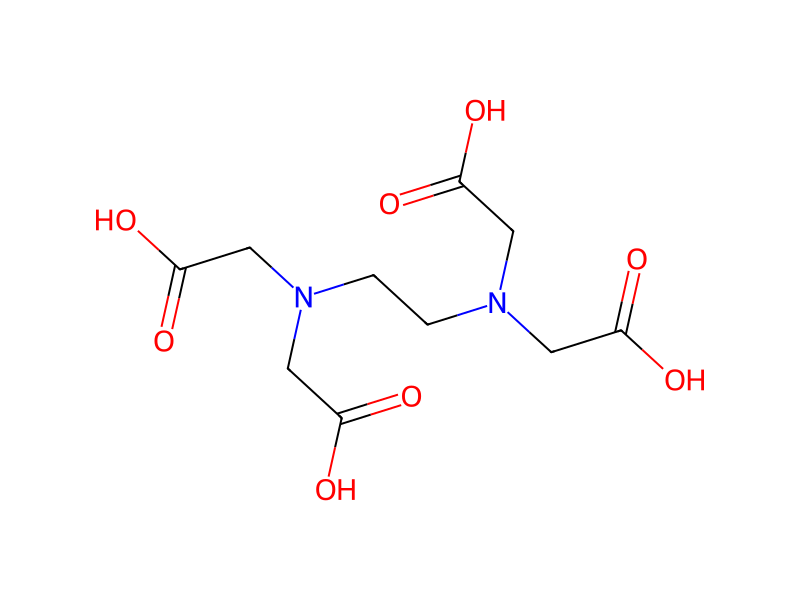
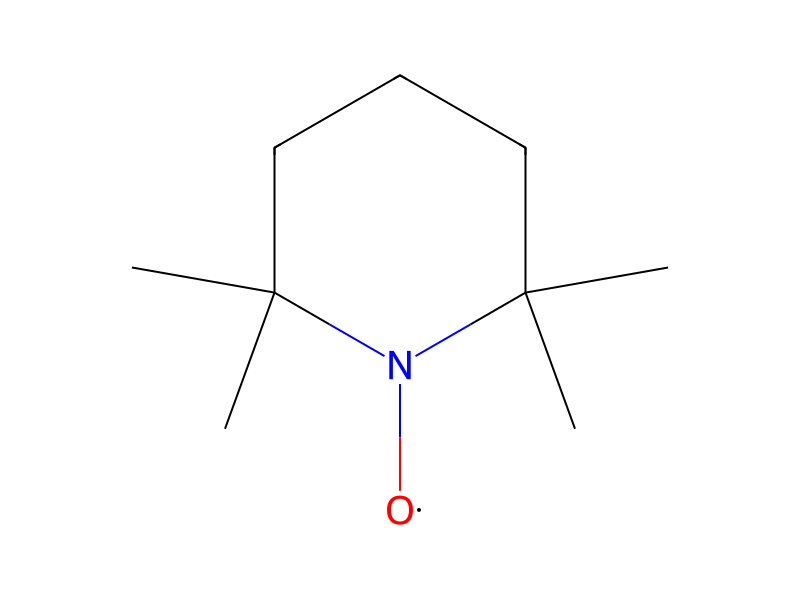
One gram of MGP (5.15 mmol) was dissolved in 60 ml of water at room temperature To this solution were added 200 mg NaBr (1.94 mmol), 20 mg TEMPO (0.13 mmol), 10 mg EDTA (for stabilising the oxidising agent) and 2.5 g NaHCO3. Peracetic acid (1.32 mmol/ml) was added at a rate of 200 μl per 10 minutes until an excess amount, calculated on a theoretical basis for 100% oxidation to 6-carboxylic acid (14.6 mmol), had been added. The pH was maintained at 7 by addition of 1 M NaOH using a pH-stat. The reaction time was 8 hr. The degree of oxidation, determined using the Blumenkrantz method with galacturonic acid as a reference, was 95%. High Performance Anion Exchange Chromatography (HPAEC) shows that the degree of oxidation is greater than 95%. No other peaks than the uronic acid and a trace of starting material were detected.
Workup
- additionhad been added
Sources & evidence
- ORD record
- ord-5f8a725f3c6545cdb0eda8da24e980a4
- Source dataset
- uspto-grants-2003_02
- Patent number
- US06518419B1
Linked notes
Loading…