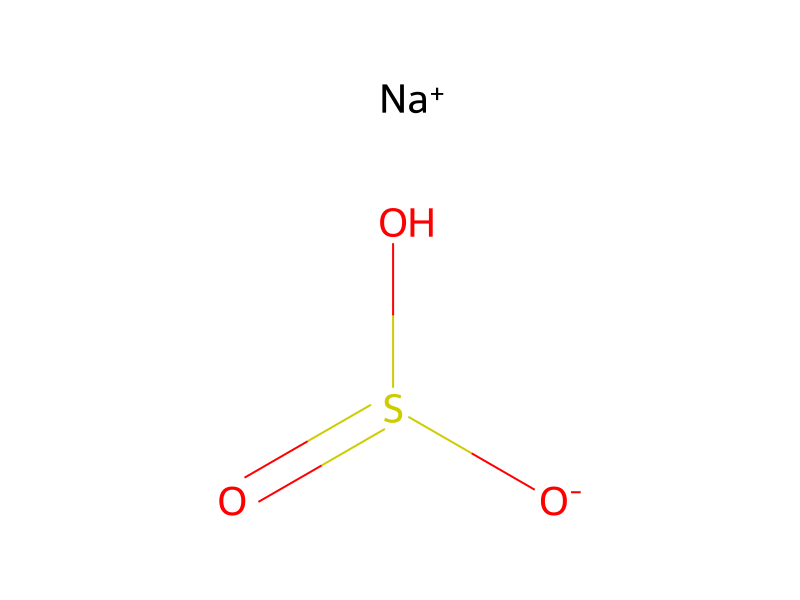
Dry dichloromethane (40 ml), triphenylphosphine (3.28 g), imidazole (1.05 g) and iodine (3.85 g) were combined in that order. A solution of tert-butyl N-(3-hydroxypropyl)-N-methylcarbamate (1.90 g, J. Org. Chem., 1988, 53(10), 2229) in dichloromethane (10 ml) was added and the resulting reaction mixture stirred at room temperature for 1 hour. An aqueous solution of sodium hydrogen sulphite (6 g in 100 ml of water) was then added and the organic layer separated. The latter was dried over anhydrous magnesium sulphate, filtered and concentrated under reduced pressure. The residue was purified by column chromatography over silica eluting with iso-hexane:ether (7:3) to give tert-butyl N-(3-iodopropyl)-N-methylcarbamate (2.54 g) which was used immediately. Caesium carbonate (0.655 g) was added to a suspension of N-(3-hydroxy-2-methylphenyl)-tricyclo[3.3.1.13,7]decane-1-acetamide (0.453 g, Example 26) in acetonitrile (35 ml) and the mixture heated at 100° C. for 10 minutes. After cooling to room temperature a solution of tert-butyl N-(3-iodopropyl)-N-methylcarbamate (0.600 g) in acetonitrile (5 ml) was added and the reaction heated at reflux for 90 minutes. The reaction was concentrated under reduced pressure and the residue partitioned between dichloromethane (100 ml) and water (100 ml). The organic layer was dried over anhydrous magnesium sulphate, filtered and concentrated under reduced pressure. The residue was purified by silica gel chromatography eluting with dichloromethane:ethyl acetate (9:1) to give a solid that was dissolved in methanol (10 ml). A solution of hydrogen chloride (generated by slow addition of acetyl chloride (12 ml) to methanol (15 ml) at 0° C. CARE—Very Exothermic) was then added to the latter solution and the reaction stirred at room temperature for 1 hour. The reaction was concentrated under reduced pressure to give a gum that was scratched under ether:hexane (1:1) (20 ml) to give the title compound as a pale yellow powder (0.477 g).