Triethylamine → Ethyl 3-ethoxy-3-imino-2-(cyclopropyloxyimino)propionate
Reaction equation

[C:1]([C:4](=[N:10][O:11][CH:12]1[CH2:14][CH2:13]1)[C:5]([O:7][CH2:8][CH3:9])=[O:6])(=[O:3])[NH2:2].F[B-](F)(F)F.[CH2:20]([O+](CC)CC)[CH3:21].C(N(CC)CC)C>C(Cl)Cl.C(OC(C)C)(C)C>[CH2:20]([O:3][C:1](=[NH:2])[C:4](=[N:10][O:11][CH:12]1[CH2:13][CH2:14]1)[C:5]([O:7][CH2:8][CH3:9])=[O:6])[CH3:21]Participants
6
Reactant 3



Product 1

Reagents, catalysts & solvents 2

Procedure
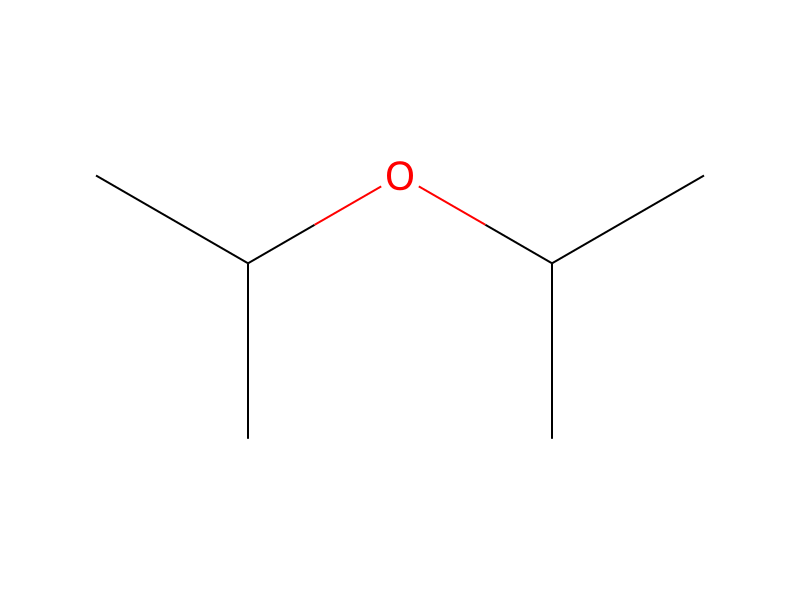
A mixture of ethyl 2-carbamoyl-2-(cyclopropyloxyimino)acetate (syn isomer)(84.1 g) and triethyloxonium fluoroborate (11.5 g) in methylene chloride (110 ml) was stirred at ambient temperature for 16 hours. To the mixture was added triethylamine (17 ml) under ice-cooling. The mixture was washed with water, dried over sodium sulfate, and concentrated in vacuo to give a residue. The residue was dissolved in diisopropyl ether. The solution was washed with water, dried over sodium sulfate, and concentrated in vacuo to give ethyl 3-ethoxy-3-imino-2-(cyclopropyloxyimino)propionate (syn isomer) (9.60 g) as an oil.
Workup
- temperaturecooling
- washThe mixture was washed with water
- dry with materialdried over sodium sulfate
- concentrationconcentrated in vacuo
- customto give a residue
- washThe solution was washed with water
- dry with materialdried over sodium sulfate
- concentrationconcentrated in vacuo
Sources & evidence
- ORD record
- ord-9b55814a15714c82b1b99405d98beb96
- Source dataset
- uspto-grants-1990_11
- Patent number
- US04973699
Reaction notes
Loading…