HomeMCPWorkbenchSkills
HomeWorkbenchNotificationsMe
llms.txt · MCP GuidePrivacy Policy · Terms of Service · Supportv1.8.3
  1. Home
  2. /Reaction

1,2-Dichloro-4-nitrobenzene → 2-Chloro-1-fluoro-4-nitrobenzene

HRID 1078054
Print

Reaction equation

HRID 1078054 reaction equation
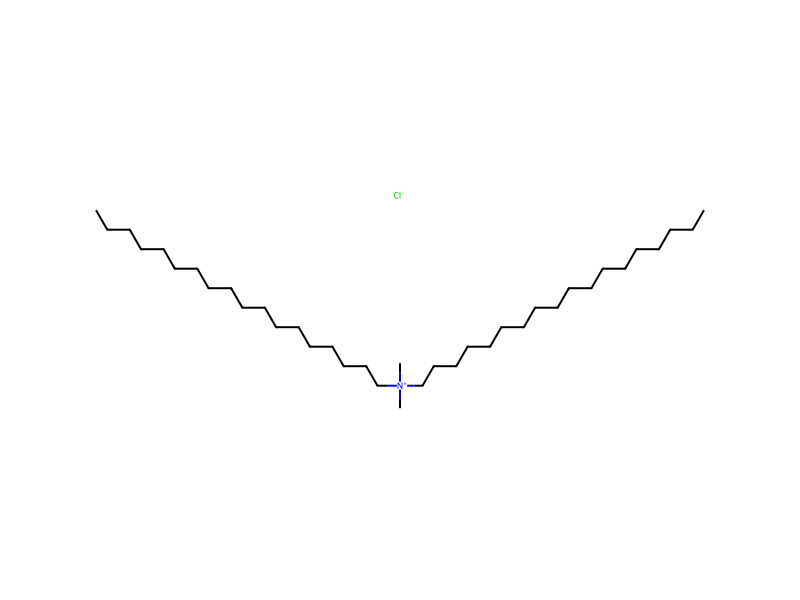
[Cl:1][C:2]1[CH:3]=[C:4]([N+:9]([O-:11])=[O:10])[CH:5]=[CH:6][C:7]=1Cl.[F-:12].[K+]>[Cl-].C([N+](CCCCCCCCCCCCCCCCCC)(C)C)CCCCCCCCCCCCCCCCC>[Cl:1][C:2]1[CH:3]=[C:4]([N+:9]([O-:11])=[O:10])[CH:5]=[CH:6][C:7]=1[F:12]
ParticipantsProcedureWorkupSources & evidenceReaction notes

Participants

4

Reactant 2

HCID 74431,2-Dichloro-4-nitrobenzeneHCID 522689Potassium Fluoride

Product 1

HCID 676882-Chloro-1-fluoro-4-nitrobenzeneYield 69%

Reagents, catalysts & solvents 1

HCID 7879Distearyldimethylammonium chlorideCatalyst

Procedure

576 g (3 mol) of 3,4-dichloronitrobenzene, 58 g (0.1 mol) of distearyldimethylammonium chloride and 139 g (2.4 mol) of potassium fluoride were reacted analogously to Example 1. After filtering with suction, the residue was dissolved in water, the organic phase was separated off and the combined organic phases were fractionated. 289 g (69%, relative to potassium fluoride employed) of 3-chloro-4-fluoronitrobenzene were obtained.

On this pageParticipantsProcedureWorkupSources & evidenceReaction notes

Workup

  1. filtrationAfter filtering with suction
  2. dissolutionthe residue was dissolved in water
  3. customthe organic phase was separated off

Sources & evidence

ORD record
ord-e30add03b270414caea64b94a829809e
Source dataset
uspto-grants-1996_08
DOI
10.6084/m9.figshare.5104873.v1
Patent number
US05545768

Reaction notes