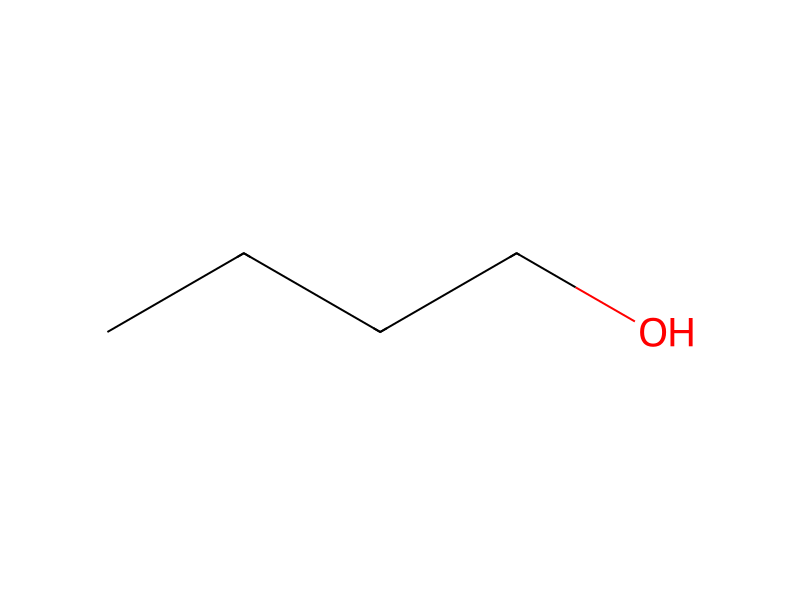
[CH3:1][C:2]1[C:29]([CH3:30])=[CH:28][C:5]2[NH:6][C:7](=S)[CH2:8][C:9]([C:11]3[CH:16]=[CH:15][C:14]([N:17]4[C:25]5[CH:24]=[CH:23][N:22]=[CH:21][C:20]=5[N:19]=[C:18]4[CH3:26])=[CH:13][CH:12]=3)=[N:10][C:4]=2[CH:3]=1.[C:31](OCC)(=[O:34])[NH:32][NH2:33].C1(C)C=CC(S(O)(=O)=O)=CC=1.[H-].[Na+]>C(O)CCC>[CH3:1][C:2]1[C:29]([CH3:30])=[CH:28][C:5]2[N:6]3[C:31](=[O:34])[NH:32][N:33]=[C:7]3[CH:8]=[C:9]([C:11]3[CH:16]=[CH:15][C:14]([N:17]4[C:25]5[CH:24]=[CH:23][N:22]=[CH:21][C:20]=5[N:19]=[C:18]4[CH3:26])=[CH:13][CH:12]=3)[NH:10][C:4]=2[CH:3]=1A solution of 2,3-dihydro-7,8-dimethyl-4-[4-(2-methylimidazo[4,5-c]pyrid-1-yl)phenyl]-1H-[1,5]benzodiazepin-2-thione (411 mg, 1.0 mmol), ethyl carbazate (210 mg, 2 mmol) and p-toluenesulphonic acid (10 mg) in n-butanol (5 ml) was stirred overnight at reflux. The solvent was removed under reduced pressure, and the residue was purified by flash chromatography (etuting with dichloromethane/methanol=9:1). The intermediate carbazate was then dissolved in dry tetrahydrofuran (5 ml) and cyclised by the addition of sodium hydride (60% dispersion in oil, 40 mg, 1 mmol) and stirring for 3 hours at room temperature. The mixture was partitioned between 2N hydrochloric acid (5 ml) and ethyl acetate (20 ml). The aqueous phase was neutralised with saturated aqueous sodium bicarbonate, and extracted with ethyl acetate:tetrahydrofuran=1:1 (2×30 ml). The extracts were combined, dried (MgSO4), and concentrated under reduced pressure. The residue was purified by flash chromatography (eluting with dichloromethane:methanol=10:1). The product was further purified by recrystallisation from methanol/dichloromethane to give a white solid, (85 mg, 20%), m.p.>325° C.