Dimethylformamide → 5-Cyano-3-(2-ethoxyphenyl)-3-hydroxy-indol-2-one
HRID 1091546
Reaction equation

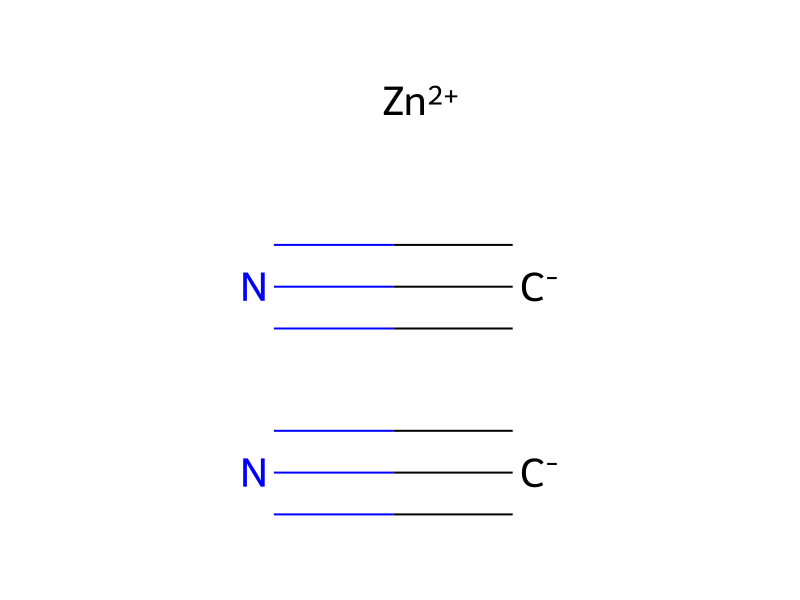
[CH2:1]([O:3][C:4]1[CH:9]=[CH:8][CH:7]=[CH:6][C:5]=1[C:10]1([OH:21])[C:18]2[C:13](=[CH:14][CH:15]=[C:16](I)[CH:17]=2)[NH:12][C:11]1=[O:20])[CH3:2].[CH3:22][N:23](C=O)C>[C-]#N.[Zn+2].[C-]#N.C1C=CC([P]([Pd]([P](C2C=CC=CC=2)(C2C=CC=CC=2)C2C=CC=CC=2)([P](C2C=CC=CC=2)(C2C=CC=CC=2)C2C=CC=CC=2)[P](C2C=CC=CC=2)(C2C=CC=CC=2)C2C=CC=CC=2)(C2C=CC=CC=2)C2C=CC=CC=2)=CC=1>[C:22]([C:16]1[CH:17]=[C:18]2[C:13](=[CH:14][CH:15]=1)[NH:12][C:11](=[O:20])[C:10]2([C:5]1[CH:6]=[CH:7][CH:8]=[CH:9][C:4]=1[O:3][CH2:1][CH3:2])[OH:21])#[N:23]Participants
5