Reaction equation

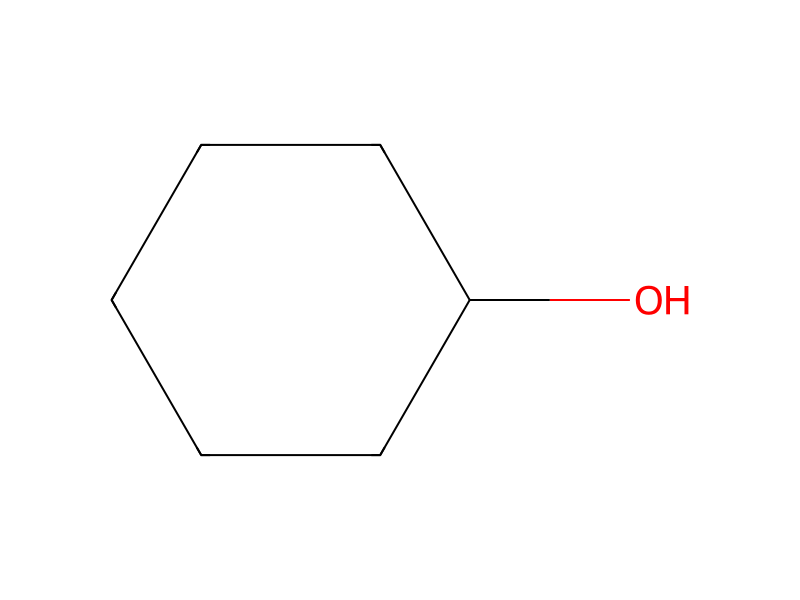
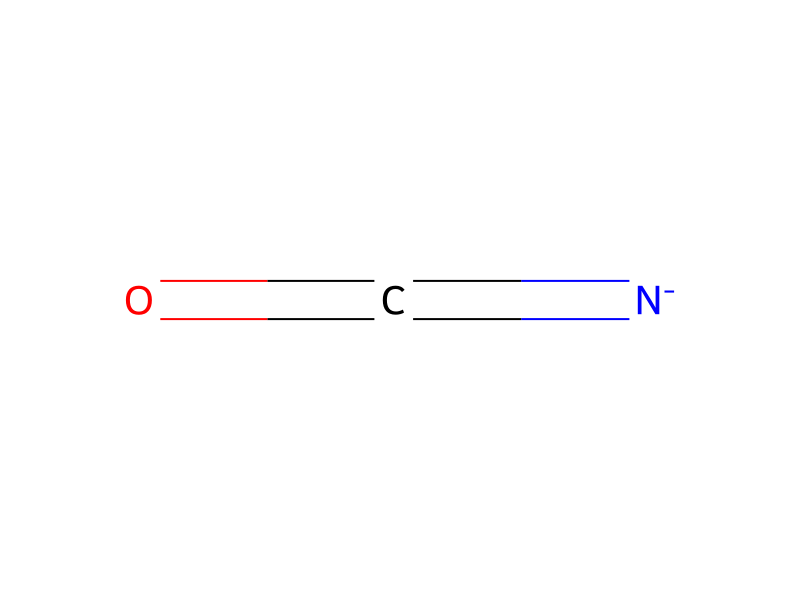
[CH:1]([N:3]=[C:4]=[O:5])=[CH2:2].[CH:6]1([OH:12])[CH2:11][CH2:10][CH2:9][CH2:8][CH2:7]1.C([O-])(=O)CCCCCCCCCCC.C([O-])(=O)CCCCCCCCCCC.C([Sn+2]CCCC)CCC.[N-]=C=O>C(OCC)(=O)C>[CH:1]([NH:3][C:4](=[O:5])[O:12][CH:6]1[CH2:11][CH2:10][CH2:9][CH2:8][CH2:7]1)=[CH2:2]Participants
6
Reactant 4


Product 1

Reagents, catalysts & solvents 1

Conditions
- Temperature
- 40 °C
Procedure
69 parts of vinyl isocyanate and 89.5 parts of ethyl acetate are introduced into a reaction vessel and heated to 40° C. A mixture of 110 parts of cyclohexanol and 89.5 parts of ethyl acetate (containing 0.02% of dibutyl-tin dilaurate as the catalyst) is added in the course of 1 hour. The mixture is then allowed to react for a further 2 hours at 40° C. A light yellow solution is obtained, from which the reaction product separates out, as crystals, on cooling. Blocked isocyanate content: 11.7%.
Workup
- additionis added in the course of 1 hour
- customto react for a further 2 hours at 40° C
- customA light yellow solution is obtained, from which the reaction product
- temperatureon cooling
Sources & evidence
- ORD record
- ord-6892c16d1cdb4ccfbcabd6cc81d7092c
- Source dataset
- uspto-grants-1982_01
- Patent number
- US04310398
Linked notes
Loading…