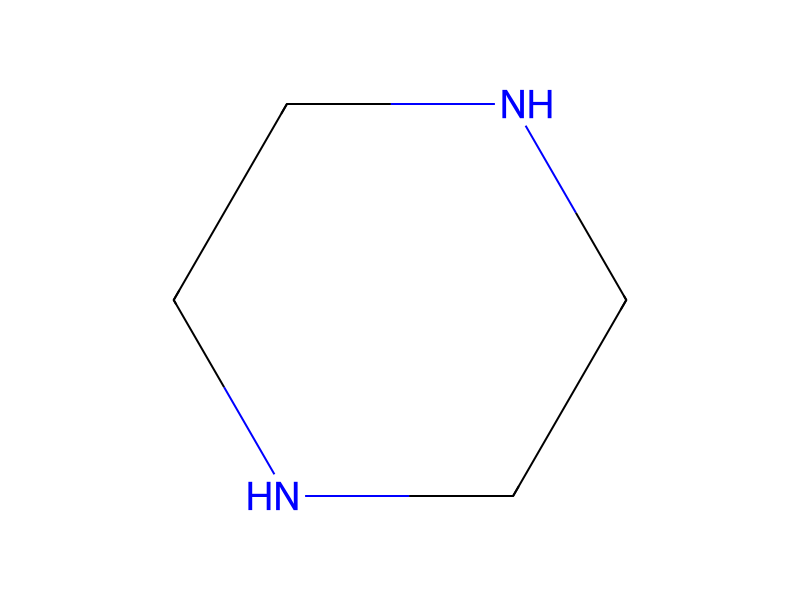
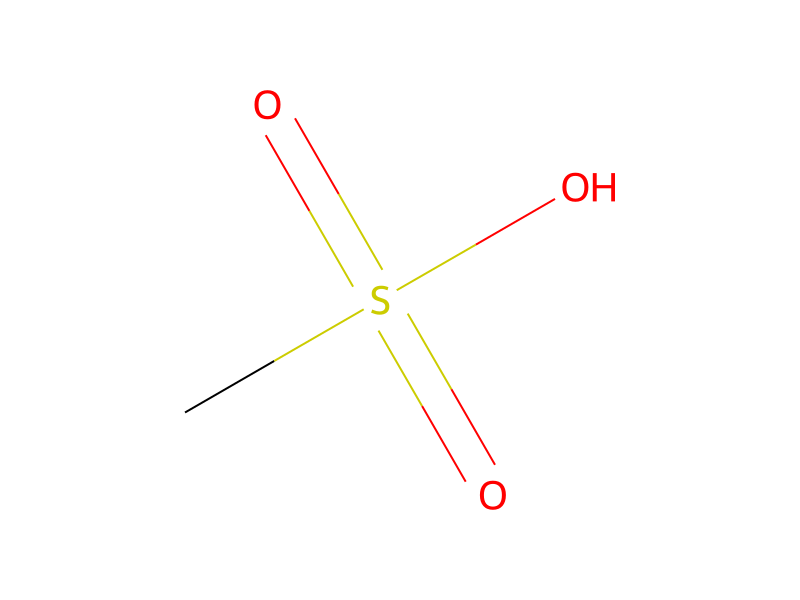
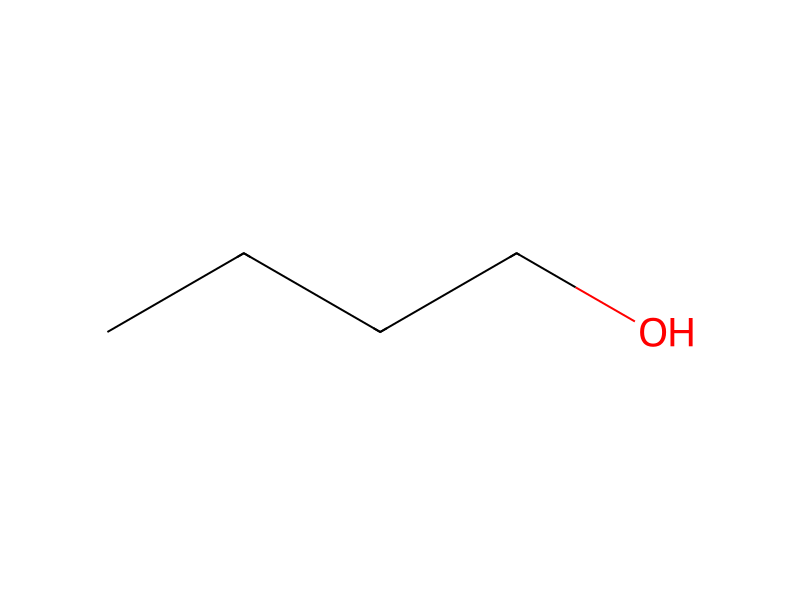
Br[C:2]1[S:3][CH:4]=[C:5]([CH2:7][C:8]2[CH:13]=[CH:12][C:11]([S:14]([C:16]3[CH:21]=[CH:20][CH:19]=[CH:18][CH:17]=3)=[O:15])=[CH:10][CH:9]=2)[N:6]=1.[NH:22]1[CH2:27][CH2:26][NH:25][CH2:24][CH2:23]1.CS(O)(=O)=O>C(O)CCC>[C:16]1([S:14]([C:11]2[CH:12]=[CH:13][C:8]([CH2:7][C:5]3[N:6]=[C:2]([N:22]4[CH2:27][CH2:26][NH:25][CH2:24][CH2:23]4)[S:3][CH:4]=3)=[CH:9][CH:10]=2)=[O:15])[CH:21]=[CH:20][CH:19]=[CH:18][CH:17]=1A solution of 6.4 g of 2-bromo-4-(4-phenylsulfinylbenzyl)thiazole (M. P. Kofler: 102° C.) and 6.5 g of anhydrous piperazine in 200 ml of butanol was refluxed for ten hours. Then, the solvent was evaporated and the thus obtained raw oil was taken off with 200 ml of a N solution of CH3SO3H. The insoluble matter was extracted twice with, each time, 20 ml of ether, then alkalized with K2CO3. The thus salted out oil was extracted twice with, each time, 50 ml of chloroform. The chloroform solution was washed with water, dried and evaporated. There was obtained 6.1 g of 1-[4-(4-phenylsulfinylbenzyl)-2-thiazolyl]piperazine, as semicrystallized product.