HomeMCPWorkbenchSkills
HomeWorkbenchNotificationsMe
llms.txt · MCP GuidePrivacy Policy · Terms of Service · Supportv1.8.3
  1. Home
  2. /Reaction

Tris(furan-2-yl)phosphane → Methyl 4-phenyl-2-indancarboxylate

HRID 1106624
Print

Reaction equation

HRID 1106624 reaction equation
Br[C:2]1[CH:10]=[CH:9][CH:8]=[C:7]2[C:3]=1[CH2:4][CH:5]([C:11]([O:13][CH3:14])=[O:12])[CH2:6]2.C([Sn](CCCC)(CCCC)[C:20]1[CH:25]=[CH:24][CH:23]=[CH:22][CH:21]=1)CCC.O1C=CC=C1P(C1OC=CC=1)C1OC=CC=1.[F-].[K+]>CN1CCCC1=O>[C:20]1([C:2]2[CH:10]=[CH:9][CH:8]=[C:7]3[C:3]=2[CH2:4][CH:5]([C:11]([O:13][CH3:14])=[O:12])[CH2:6]3)[CH:25]=[CH:24][CH:23]=[CH:22][CH:21]=1
ParticipantsConditionsProcedureWorkupSources & evidenceReaction notes

Participants

6

Reactant 4

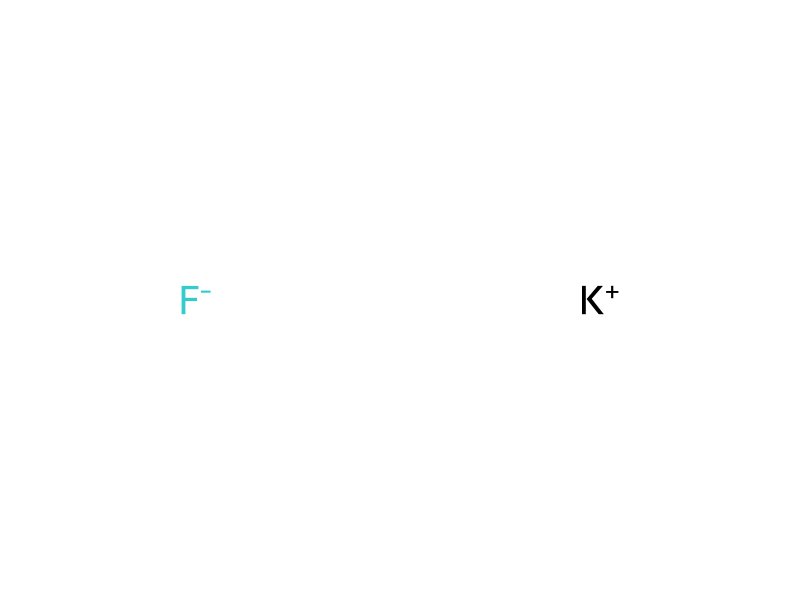
HCID 521585Tris(furan-2-yl)phosphaneHCID 522689Potassium FluorideHCID 607632TributylphenyltinHCID 18789322methyl 4-bromo-2,3-dihydro-1H-indene-2-carboxylate

Product 1

HCID 18789315Methyl 4-phenyl-2-indancarboxylate

Reagents, catalysts & solvents 1

HCID 13387
N-methyl-2-pyrrolidone
Solvent

Conditions

Temperature
70 °C

Procedure

Methyl 4-bromo-2-indancarboxylate (510 mg), tributylphenyltin (881 mg), a tris(dibenzylideneacetone)dipalladium chloroform complex (41 mg) and tri-2-furylphosphine (19 mg) were dissolved in N-methylpyrrolidone (10 ml), and the mixture was stirred at 70° C. for 3 hours and allowed to cool. To the reaction solution was added a saturated potassium fluoride solution and the solution was stirred at room temperature for 30 minutes followed by filtering through Celite. The filtrate was extracted with ether. The organic layers was washed with saturated aqueous sodium bicarbonate and saturated brine and then dried over anhydrous magnesium sulfate. Then, the solvent was distilled away under a reduced pressure. The resultant residue was purified by column chromatography on silica gel (hexane: ethyl acetate=4:1) to obtain methyl 4-phenyl-2-indancarboxylate. The resultant ester was dissolved in methanol to which 1 N sodium hydroxide was added to hydrolyze. Methanol was distilled away under a reduced pressure. To the resultant residue was added 1 N hydrochloric acid. The product was extracted with ethyl acetate. The organic layer was washed with saturated brine and then dried over anhydrous magnesium sulfate. Then, the solvent was distilled away to obtain the title compound (351 mg) (melting point: 97-102° C.).

Workup

  1. temperatureto cool
  2. stirringthe solution was stirred at room temperature for 30 minutes
  3. filtrationby filtering through Celite
  4. extractionThe filtrate was extracted with ether
  5. washThe organic layers was washed with saturated aqueous sodium bicarbonate and saturated brine
  6. dry with materialdried over anhydrous magnesium sulfate
  7. distillationThen, the solvent was distilled away under a reduced pressure
  8. customThe resultant residue was purified by column chromatography on silica gel (hexane: ethyl acetate=4:1)

Sources & evidence

ORD record
ord-0b1dffcecc9945f6a96a3c6c325c140d
Source dataset
uspto-grants-2000_05
DOI
10.6084/m9.figshare.5104873.v1
Patent number
US06057335

Reaction notes

On this pageParticipantsConditionsProcedureWorkupSources & evidenceReaction notes