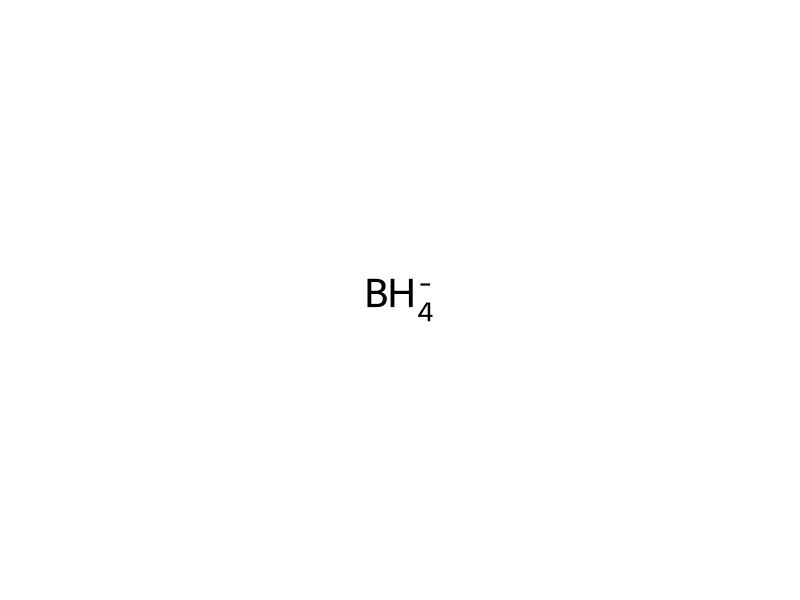
A solution of 26.0 grams (0.7 mole) of 2-chlorobenzaldoxime and a trace of methyl orange indicator in 200 ml of methanol was stirred in a flask equipped with a drying tube and two dropping funnels. A solution of 13.2 grams (0.21 mole) of sodium cyanoborohydride in 70 ml of methanol and a solution of 190 ml of methanolic 2 N hydrochloric acid were both added dropwise with the rates of addition adjusted to keep the pH of the reaction mixture at about 3.0 as shown by the pink color of the indicator. The borohydride solution was added over a period of about thirty minutes: addition of the acid solution was complete after about four and one half hours. The reaction mixture was stirred at room temperature for about 16 hours and then concentrated under reduced pressure to a solid residue. The solid was slurried with 200 ml of water. The mixture was adjusted to pH 9 with aqueous 6 N potassium hydroxide and then extracted with one portion of 300 ml of chloroform. The organic layer was washed with an aqueous solution saturated with sodium chloride and then dried with sodium sulfate. The solution was filtered from the sodium sulfate, and the filtrate was concentrated under reduced pressure to give a residual solid. The solid was twice recrystallized from 15% ethyl acetate in hexane to give 13.7 grams of N-(2-chlorophenylmethyl)hydroxylamine; mp 73°-75.5° C. The nmr and the ir spectra were consistent with the assigned structure.