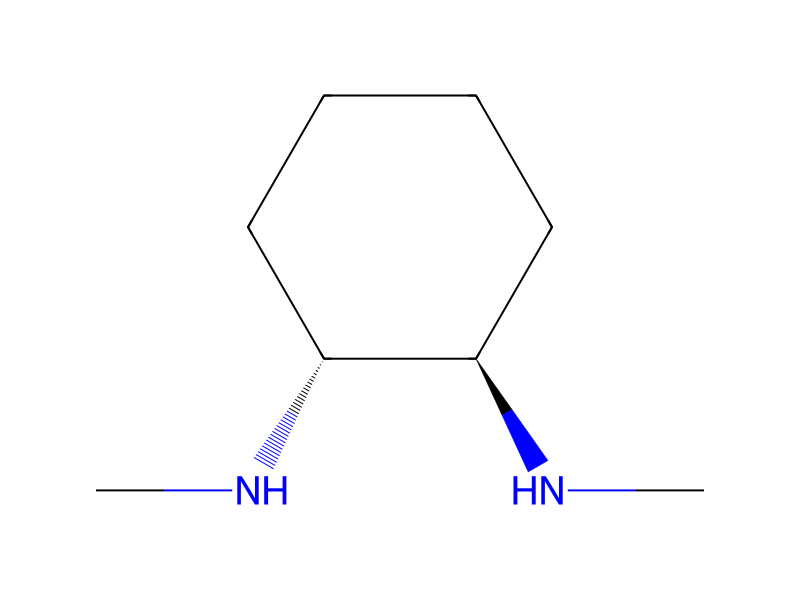
Br[C:2]1[N:3]=[CH:4][C:5]([O:11][CH3:12])=[C:6]2[CH:10]=[CH:9][NH:8][C:7]=12.[Cl:13][C:14]1[CH:15]=[N:16][NH:17][CH:18]=1.C(=O)([O-])[O-].[K+].[K+].CN[C@@H]1CCCC[C@H]1NC>O1CCOCC1.[Cu]I>[Cl:13][C:14]1[CH:15]=[N:16][N:17]([C:2]2[N:3]=[CH:4][C:5]([O:11][CH3:12])=[C:6]3[CH:10]=[CH:9][NH:8][C:7]=23)[CH:18]=1To a sealable flask containing 7-bromo-4-methoxy-1H-pyrrolo[2,3-c]pyridine (1 g, 4.40 mmol) was added 4-chloro-1H-pyrazole (0.903 g, 8.81 mmol), potassium carbonate (2.435 g, 17.62 mmol), copper(I) iodide (0.419 g, 2.202 mmol), and trans-1,2-bis(methylamino)cyclohexane (0.626 g, 4.40 mmol). The mixture was diluted with 1,4-Dioxane (15 mL) and was sealed and heated to 100° C. for 3 h. The mixture was cooled to rt and was filtered through a pad of celite to remove any solids. The organic solution as concentrated under reduced pressure, and the residue was purified by flash chromatography to give 7-(4-chloro-1H-pyrazol-1-yl)-4-methoxy-1H-pyrrolo[2,3-c]pyridine (0.79 g, 3.18 mmol, 72.1% yield) as an off-white solid. LCMS: m/e 249.12 (M+H)+, ret time 2.851 min (method 4).