Hydrochloric Acid → 17-Hydroxyprogesterone
Reaction equation

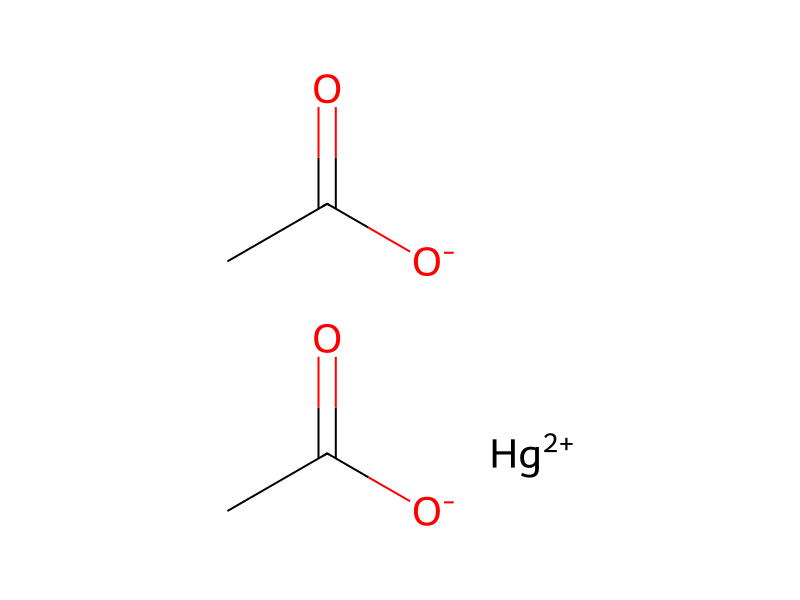
[C:1]([C@:3]1([OH:23])[CH2:8][CH2:7][C@H:6]2[C@H:9]3[C@H:19]([CH2:20][CH2:21][C@:4]12[CH3:5])[C@:17]1([CH3:18])[C:12](=[CH:13][C:14](=[O:22])[CH2:15][CH2:16]1)[CH2:11][CH2:10]3)#[CH:2].Cl.C[OH:26]>C([O-])(=O)C.[Hg+2].C([O-])(=O)C>[OH:23][C@:3]1([C@:4]2([CH3:5])[C@H:6]([C@H:9]3[C@H:19]([CH2:20][CH2:21]2)[C@:17]2([CH3:18])[C:12](=[CH:13][C:14](=[O:22])[CH2:15][CH2:16]2)[CH2:11][CH2:10]3)[CH2:7][CH2:8]1)[C:1](=[O:26])[CH3:2]Participants
5
Reactant 3



Product 1

Reagents, catalysts & solvents 1
Procedure
Starting from 3.12 g (0.01 mole) of 17α-ethynyl-17β-hydroxy-androst-4-en-3-one one proceeds as described in Example 9 but after the reaction with mercury(II)-acetate the mixture is not poured onto water but the mixture of 24 ml of concentrated hydrochloric acid and 40 ml of methyl alcohol is added thereto. The reaction mixture is stirred at a temperature of 48° to 50° C. for 8 hours, then it is poured onto water. The separated product is filtered, washed with water and dried. Thus 2.70 g of 17α-hydroxy-pregn-4-ene-3,20-dione are obtained (82.1% of the theoretical yield). The crude product is crystallized from methyl alcohol. Melting point: 212° to 217° C.; [α]D20 =+89° (CHCl3, c=1%).
Workup
- additionis not poured onto water
- additionis added
- additionit is poured onto water
- filtrationThe separated product is filtered
- washwashed with water
- customdried
Sources & evidence
- ORD record
- ord-d061a729c62d42ddb4cf0d5da968e04c
- Source dataset
- uspto-grants-1983_01
- Patent number
- US04368160
Reaction notes
Loading…