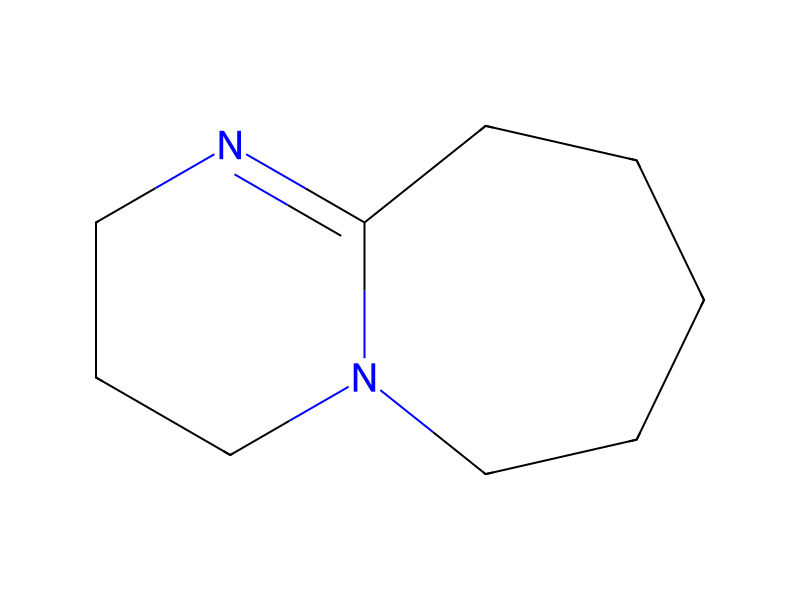
[C:1]([N:9]1[CH2:16][C@@H:15]([OH:17])[CH2:14][C@H:10]1[C:11]([OH:13])=[O:12])(=[O:8])[C:2]1[CH:7]=[CH:6][CH:5]=[CH:4][CH:3]=1.N12CCCN=C1CCCCC2.[CH2:29](Br)[C:30]1[CH:35]=[CH:34][CH:33]=[CH:32][CH:31]=1>CC(C)=O>[C:1]([N:9]1[CH2:16][C@@H:15]([OH:17])[CH2:14][C@H:10]1[C:11]([O:13][CH2:29][C:30]1[CH:35]=[CH:34][CH:33]=[CH:32][CH:31]=1)=[O:12])(=[O:8])[C:2]1[CH:7]=[CH:6][CH:5]=[CH:4][CH:3]=1A solution of (cis)-1-benzoyl-4-hydroxy-L-proline (7.074 gm, 30.1 mmole) in acetone was treated dropwise with 1,8-diazabicyclo[5.4.0]- undec-7-ene (5.4 ml, 36.1 mmole) while cooling with a water bath. After stirring under argon for 10 minutes, benzyl bromide (4.3 ml, 36.1 mmole) was added dropwise. After stirring for 3 hours at room temperature, an additional aliquot (0.25 ml) of benzyl bromide was added. The reaction was stirred overnight and the acetone removed in vacuo. The residue was partitioned between ethyl acetate and 1N HCl. The organic layer was washed with additional HCl, sodium bicarbonate solution, brine, and dried (sodium sulfate). Filtration, followed by concentration in vacuo afforded a solid which was recrystallized from ethyl acetate. The yield of the title compound was 8.77 gm (90%).