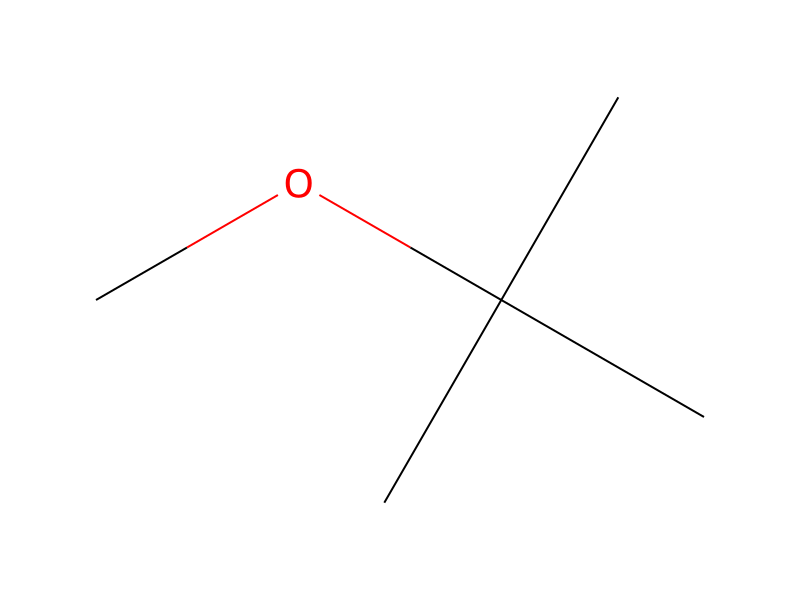
1-Amino-4-fluoro-1H-pyrrole-2-carboxylic acid allyl ester was prepared following the N-amination procedure described in Tetrahedron Lett., 47, 5341-43 (2006). 4-Fluoro-1H-pyrrole-2-carboxylic acid allyl ester (Example 14e, 2.49 g, 14.74 mmol) was mixed together with solid ammonium chloride (4.81 g, 90.75 mmol), 30% aqueous sodium hydroxide solution (42.4 mL), 29.56% aqueous ammonium hydroxide solution (13.71 mL) and trioctylmethylammonium chloride (“Aliquat® 336”, 0.166 g, 0.411 mmol) in methyl tert-butyl ether (50 mL). Under vigorous stirring, a 6.15% aqueous bleach solution (“Chlorox”, 146 mL) was slowly added via addition funnel upon which the color of the solution turned orange. After stirring for 2 h at 25° C., the layers were separated and the aqueous layer was extracted with methyl tert-butyl ether (2×10 mL). The combined organic layers were washed with a saturated sodium thiosulfate solution (50 mL) and the organic layer was dried over sodium sulfate and filtered. The solvent was removed in vacuo and the crude product was purified by flash column chromatography (Merck silica gel 60, 40-63 μm, 20% ethyl acetate in hexanes) to afford the desired product, 1-amino-4-fluoro-1H-pyrrole-2-carboxylic acid allyl ester (2.02 g, 10.99 mmol, 62.1% yield). 1H NMR (400 MHz, CDCl3) δ: 4.73 (2H, d, J=5.5 Hz), 5.26-5.29 (1H, m), 5.34-5.40 (1H, m), 5.52 (2H, bs), 5.93-6.02 (1H, m), 6.49-6.53 (1H, m), 6.78-6.80 (1H, m).