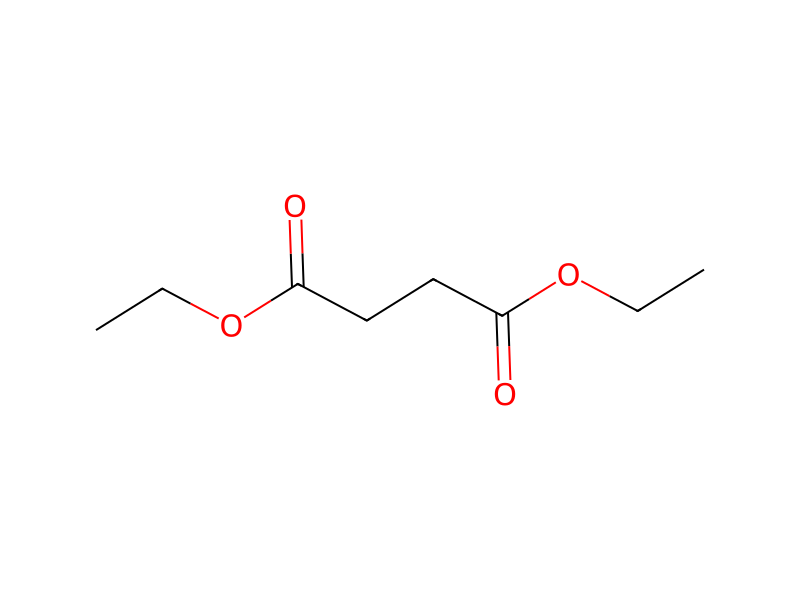
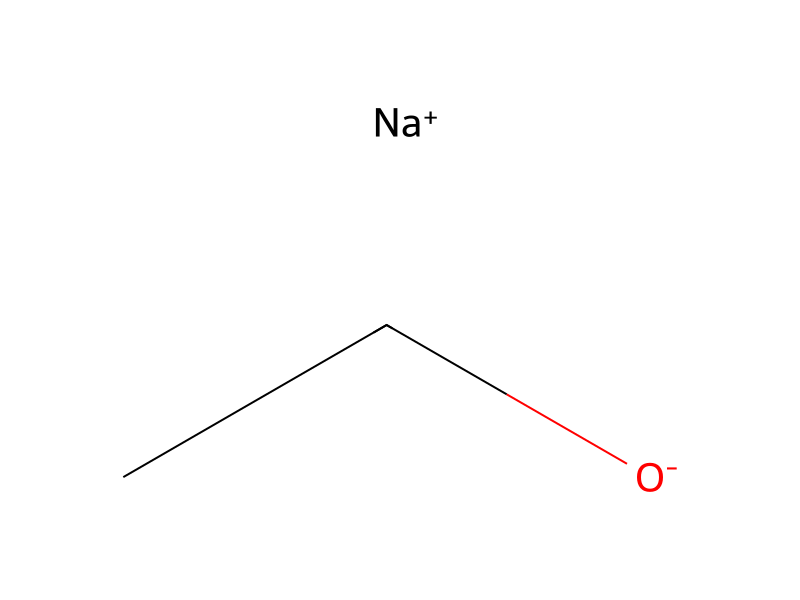
Sodium ethylate (17 g, 0.24 mol) was added under vigorous stirring to a solution of 5-methylthiophene-3-carbaldehyde (26 g 90% purity, 0.20 mol) and diethyl succinate (54 g, 0.31 mol) in ethanol (400 mL). The reaction mixture was refluxed for 3 h and evaporated in vacuum (˜20 mmHg) at 50° C. until the solvent distillation ceased. The obtained residue was diluted with 300 mL of 10% HCl and 500 mL of ethyl acetate. The mixture was shaken. The organic layer was separated, diluted with 700 mL of a saturated aqueous solution of NaHCO3, and shaken. The aqueous layer was separated, neutralized by 10% HCl to pH 2, and subjected to extraction by 1 L of ethyl acetate. The organic layer was evaporated in vacuum (˜20 mmHg) at 60° C. The residue was chromatographed on a layer of silica gel (200×150 mm) with hexane/ethyl acetate mixture (1:1). Fractions with the target product were collected and evaporated in vacuum to give the desired product 30 g (0.12 mol, 57%) as an oil.