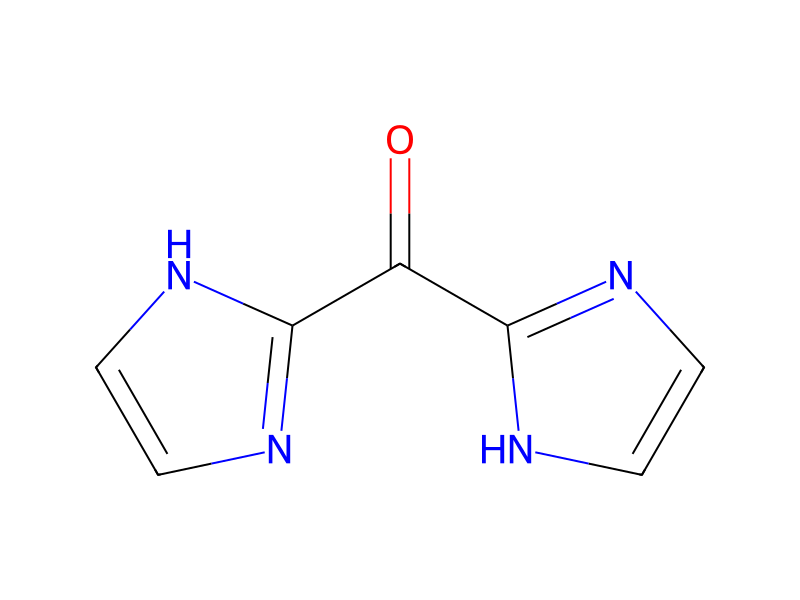
[C:1](C1NC=CN=1)([C:3]1NC=CN=1)=[O:2].[NH2:13][C:14]1[C:29]([F:30])=[CH:28][C:17]2[O:18][C:19]([F:27])([F:26])[C:20](=[O:25])[N:21]([CH2:22][C:23]#[CH:24])[C:16]=2[CH:15]=1.C(N(CC)CC)C.[F:38][C@@H:39]1[CH2:43]N[C@@H:41]([C:44]([OH:46])=[O:45])[CH2:40]1.Cl>C(#N)C>[F:38][C@H:39]1[CH2:40][C@H:41]([C:44]([OH:46])=[O:45])[CH:3]([C:1](=[O:2])[NH:13][C:14]2[C:29]([F:30])=[CH:28][C:17]3[O:18][C:19]([F:26])([F:27])[C:20](=[O:25])[N:21]([CH2:22][C:23]#[CH:24])[C:16]=3[CH:15]=2)[CH2:43]1Carbonyl diimidazole (1519 mg, 9.37 mmol) was added to a stirred solution of 6-amino-2,2,7-trifluoro-4-(prop-2-ynyl)-2H-benzo[b][1,4]oxazin-3(4H)-one (the product of Step 1.6 above, 800 mg, 3.12 mmol) and triethylamine (0.457 ml, 3.28 mmol) in anhydrous acetonitrile (15 ml) at room temperature under nitrogen. The resulting mixture was heated to 80° C. Then (2R,4S)-4-fluoropyrrolidine-2-carboxylic acid (416 mg, 3.12 mmol) was added. The resulting suspension was stirred at reflux. After 2 hours a red/brown clear solution was obtained. LCMS analysis indicated that full conversion had occurred. The reaction mixture was gradually cooled to room temperature, poured into 1 N hydrochloric acid and extracted three times with ethyl acetate. The combined organic extracts were washed with brine, dried over anhydrous sodium sulfate and evaporated in vacuo to yield the desired compound (1.34 g, ca. 90% purity), which was used without further purification in the following step.