HomeMCPSkillsWorkbenchOpenChem
HomeWorkbenchNotificationsMe
llms.txt · skill.md · MCP GuidePrivacy Policy · Terms of Service · Supportv1.8.6
  1. Home
  2. /Reaction

Anisole → HCID 51030519, compound

HRID 1186083
Print

Reaction equation

[Cl:1][C:2]1[CH:44]=[CH:43][C:5]2[N:6](CC3C=CC(OC)=CC=3)[C:7](=[O:33])[C@H:8]([CH2:25][C:26]3[CH:31]=[CH:30][CH:29]=[CH:28][C:27]=3[Cl:32])[N:9]=[C:10]([C:11]3[CH:24]=[CH:23][C:14]4[NH:15][C:16](=[O:22])[N:17]([CH2:18][CH2:19][CH2:20][OH:21])[C:13]=4[CH:12]=3)[C:4]=2[CH:3]=1.C1(OC)C=CC=CC=1.[Al+3].[Cl-].[Cl-].[Cl-]>ClC(Cl)C.C(OCC)(=O)C.C(Cl)Cl>[Cl:1][C:2]1[CH:44]=[CH:43][C:5]2[NH:6][C:7](=[O:33])[C@H:8]([CH2:25][C:26]3[CH:31]=[CH:30][CH:29]=[CH:28][C:27]=3[Cl:32])[N:9]=[C:10]([C:11]3[CH:24]=[CH:23][C:14]4[NH:15][C:16](=[O:22])[N:17]([CH2:18][CH2:19][CH2:20][OH:21])[C:13]=4[CH:12]=3)[C:4]=2[CH:3]=1
ParticipantsConditionsProcedureWorkupSources & evidenceReaction notes

Participants

7

Reactant 3

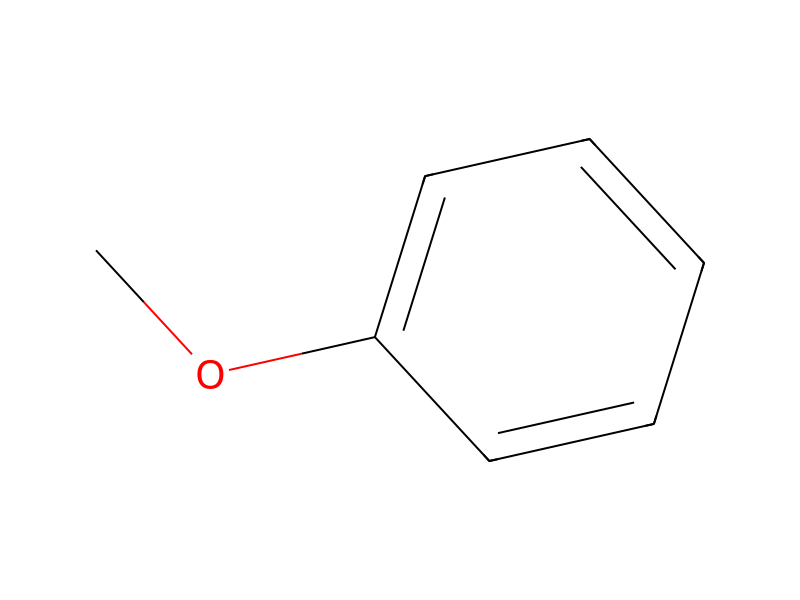
HCID 7519AnisoleHCID 6451240Aluminum(III) ChlorideHCID 70664463(S)-7-Chloro-3-(2-chlorobenzyl)-5-(3-(3-hydroxypropyl)-2-oxo-2,3-dihydro-1H-benzo[d]imidazol-5-yl)-1-(4-methoxybenzyl)-1H-benzo[e][1,4]diazepin-2(3H)-one

Product 1

HCID 51030519HCID 51030519, compound

Reagents, catalysts & solvents 3

HCID 6344
Dichloromethane
Solvent
2×
HCID 63651,1-DichloroethaneSolvent
HCID 8857Ethyl AcetateSolvent

Conditions

Temperature
87.5 °C

Procedure

(S)-7-Chloro-3-(2-chlorobenzyl)-5-(3-(3-hydroxypropyl)-2-oxo-2,3-dihydro-1H-benzo[d]imidazol-5-yl)-1-(4-methoxybenzyl)-1H-benzo[e][1,4]diazepin-2(3H)-one was dissolved in dichloroethane (2 mL) and anisole (200 μL) was added followed by AlCl3 (165 mg). This mixture was heated to 85-90° C. for one hour. After cooling, the mixture was diluted with ethyl acetate and quenched with ice. 1M Citric acid was added and the layers separated. The organic layer was washed with brine, then dried (MgSO4). After filtration, the solvent was evaporated onto silica gel. Chromatography eluting with 5% ethyl acetate in hexanes for 5 min then a gradient over 30 minutes up to 100% ethyl acetate gave the crude product as a yellow foam (70 mg). The product was re-columned twice with DCM—10% MeOH in DCM to provide (S)-7-chloro-3-(2-chlorobenzyl)-5-(3-(3-hydroxypropyl)-2-oxo-2,3-dihydro-1H-benzo[d]imidazol-5-yl)-1H-benzo[e][1,4]diazepin-2(3H)-one (20 mg) as a white solid that was 97% pure by HPLC: MP=210° C.; Optical rotation: C=1.0 (CHCl3), [α]D=−26°; MS (m/z): 509.6; 1H NMR (d6-DMSO) δ 11.5 (s, 1H), 10.7 (s, 1H), 7.6 (d, 1H) 7.5 (d, 1H), 7.4 (d, 1H), 7.3-7.2 (m, 4H), 7.1 (s, 1H), 6.95 (d, 1H), 6.85 (d, 1H), 4.3 (m, 2H), 3.8 (m, 2H), 3.7 (m, 1H), 3.5-3.3 (m, 2H), 2.1-2.0 (m, 2H).

Workup

  1. temperatureAfter cooling
  2. customquenched with ice
  3. addition1M Citric acid was added
  4. customthe layers separated
  5. washThe organic layer was washed with brine
  6. dry with materialdried (MgSO4)
  7. filtrationAfter filtration
  8. customthe solvent was evaporated onto silica gel
  9. washChromatography eluting with 5% ethyl acetate in hexanes for 5 min
  10. customa gradient over 30 minutes up to 100% ethyl acetate gave the crude product as a yellow foam (70 mg)

Sources & evidence

ORD record
ord-9c46c02f9c134d08a85fa76bc6b7af0b
Source dataset
uspto-grants-2014_03
DOI
10.6084/m9.figshare.5104873.v1
Patent number
US08673897B2

Reaction notes

On this pageParticipantsConditionsProcedureWorkupSources & evidenceReaction notes