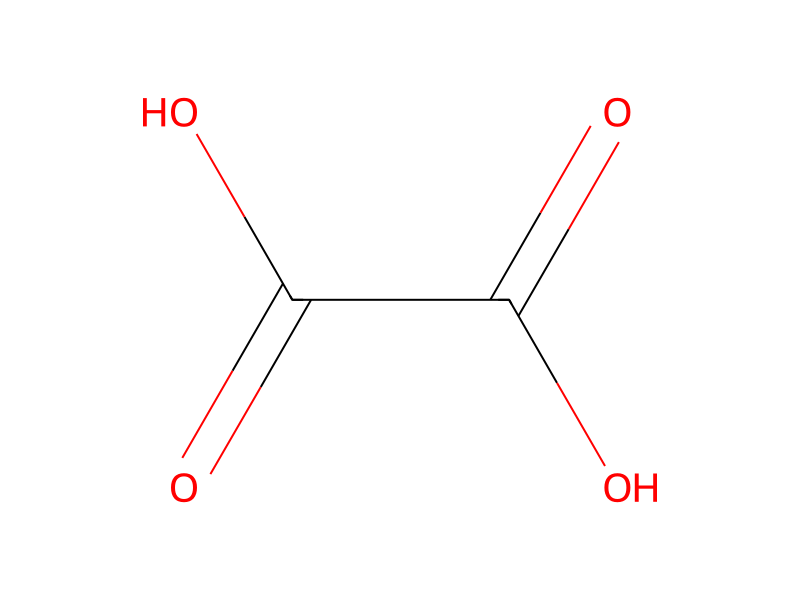
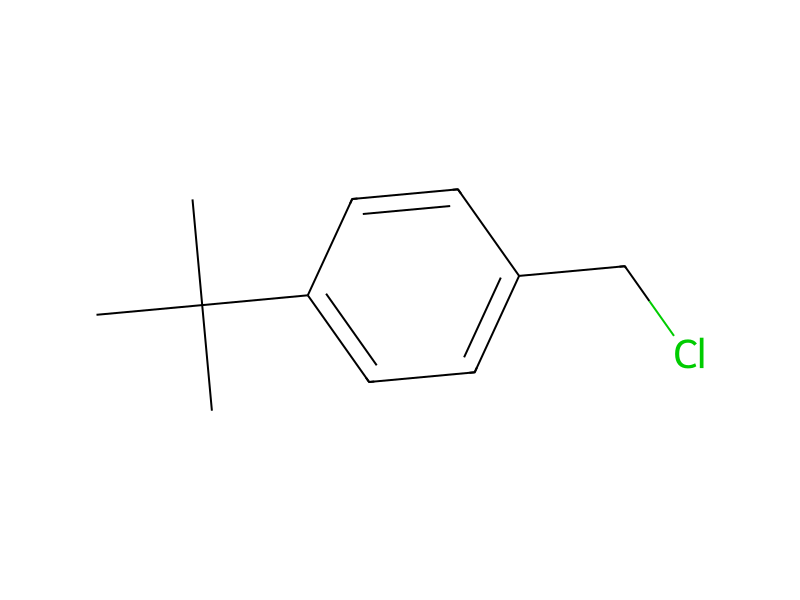
[CH3:1][N:2]1[C:8](=[S:9])[C:7]2[CH:10]=[CH:11][CH:12]=[N:13][C:6]=2[O:5][CH:4]([CH2:14][CH2:15][NH:16][CH3:17])[CH2:3]1.C(N(C(C)C)CC)(C)C.[C:27]([C:31]1[CH:38]=[CH:37][C:34]([CH2:35]Cl)=[CH:33][CH:32]=1)([CH3:30])([CH3:29])[CH3:28].[C:39]([OH:44])(=[O:43])[C:40]([OH:42])=[O:41]>C(O)(C)C.C(O)C>[C:39]([OH:44])(=[O:43])[C:40]([OH:42])=[O:41].[CH3:28][C:27]([C:31]1[CH:38]=[CH:37][C:34]([CH2:35][N:16]([CH3:17])[CH2:15][CH2:14][CH:4]2[CH2:3][N:2]([CH3:1])[C:8](=[S:9])[C:7]3[CH:10]=[CH:11][CH:12]=[N:13][C:6]=3[O:5]2)=[CH:33][CH:32]=1)([CH3:30])[CH3:29]To 40 ml of absolute ethanol was added 6.6 g of 2,3-dihydro-4-methyl-2-[2-(methylamino)ethyl]pyrido[3,2-f]-1,4-oxazepine-5(4H)-thione and 3.35 g (0.026 mole) of diisopropylethylamine. While stirring, 4.75 g (0.026 mole) of p-(t-butyl)benzyl chloride was added at a rapid drop rate. The reaction solution was heated to reflux for 4 hr. After cooling, ethanol was removed by rotary evaporation. The residue was taken up in 100 ml of methylene chloride and the solution was washed with 2×50 ml of 1N potassium hydroxide and 50 ml of water, dried over sodium sulfate, and filtered. The methylene chloride was removed by rotary evaporation and ethylacetate was added to the residue which caused some precipitate to fall out (probably quaternary). After filtering off the precipitate, ethyl acetate was removed by rotary evaporation. The oily residue was heated with 2 equivalents of oxalic acid in isopropyl alcohol which yielded 4.3 g (31%) of yellow, analytically pure crystals, m.p. 175°-78° C.