Reaction equation

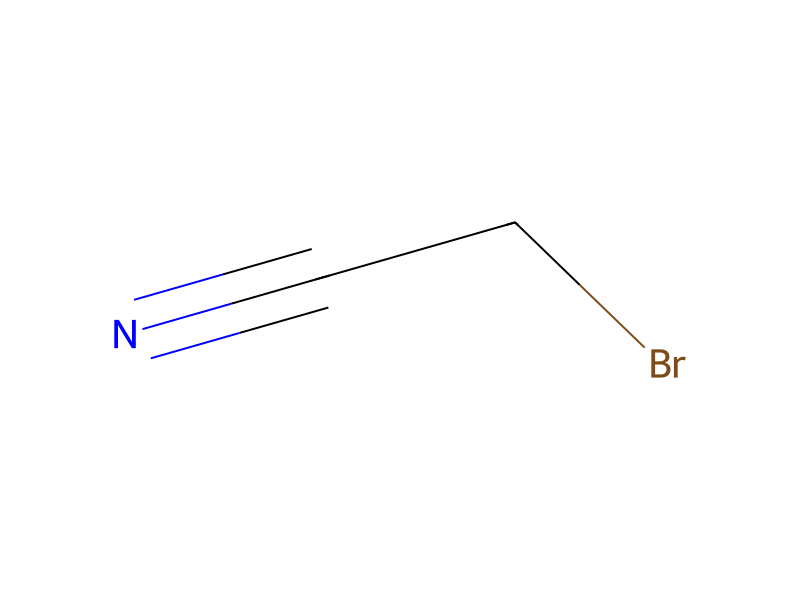
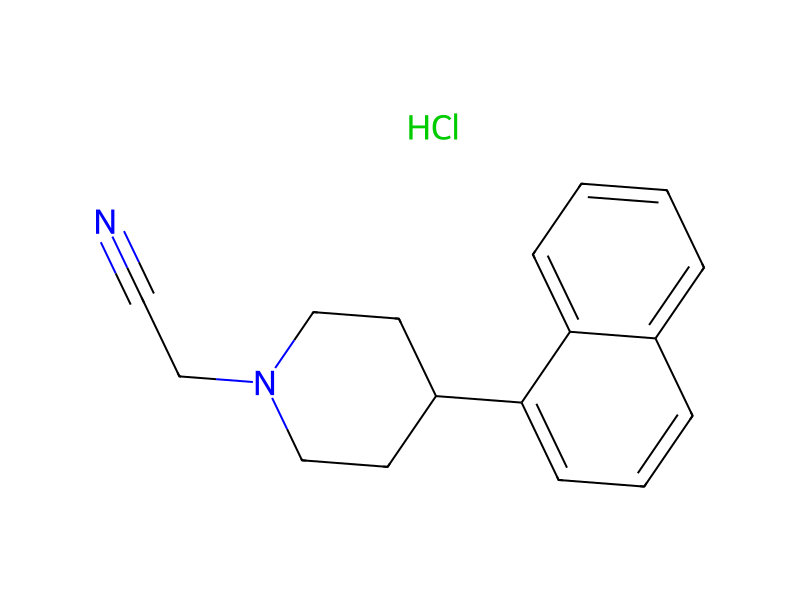
Br.[C:2]1([CH:12]2[CH2:17][CH2:16][NH:15][CH2:14][CH2:13]2)[C:11]2[C:6](=[CH:7][CH:8]=[CH:9][CH:10]=2)[CH:5]=[CH:4][CH:3]=1.C(=O)([O-])[O-].[K+].[K+].Br[CH2:25][C:26]#[N:27].[ClH:28]>CC(C)=O>[ClH:28].[C:2]1([CH:12]2[CH2:17][CH2:16][N:15]([CH2:25][C:26]#[N:27])[CH2:14][CH2:13]2)[C:11]2[C:6](=[CH:7][CH:8]=[CH:9][CH:10]=2)[CH:5]=[CH:4][CH:3]=1Participants
6




Procedure
5 g of the compound from Example 3, 7.088 g of potassium carbonate and 2.259 g of bromoacetonitrile in 200 ml of acetone are stirred for 10 hours under reflux and a stream of nitrogen. After filtering and evaporation of the filtrate, the residue obtained is treated with an ethanolic solution of hydrogen chloride to give 4.5 g of the expected hydrochloride.
Workup
- temperatureunder reflux
- filtrationAfter filtering
- customevaporation of the filtrate
- customthe residue obtained
Sources & evidence
- ORD record
- ord-69c054308a3940b1a12b532ebd2c59f5
- Source dataset
- uspto-grants-1994_01
- Patent number
- US05278185
Linked notes
Loading…