HomeMCPWorkbenchSkills
HomeWorkbenchNotificationsMe
llms.txt · MCP GuidePrivacy Policy · Terms of Service · Supportv1.8.3
  1. Home
  2. /Reaction

Sodium Iodide → 3-((4-Chloroisoquinolin-3-yl)methyl)-5-(methoxycarbonyl)-2-methylindole

HRID 1242139
Print

Reaction equation

HRID 1242139 reaction equation
C(O)(=O)[C@@H]([C@H](C(O)=O)O)O.[OH-].[Na+].[I-].[Na+].[CH3:15][O:16][C:17]([C:19]1[CH:20]=[C:21]2[C:25](=[CH:26][CH:27]=1)[NH:24][C:23]([CH3:28])=[CH:22]2)=[O:18].[Cl:29][C:30]1[C:39]2[C:34](=[CH:35][CH:36]=[CH:37][CH:38]=2)[CH:33]=[N:32][C:31]=1[CH2:40]Cl>O1CCOCC1.O>[Cl:29][C:30]1[C:39]2[C:34](=[CH:35][CH:36]=[CH:37][CH:38]=2)[CH:33]=[N:32][C:31]=1[CH2:40][C:22]1[C:21]2[C:25](=[CH:26][CH:27]=[C:19]([C:17]([O:16][CH3:15])=[O:18])[CH:20]=2)[NH:24][C:23]=1[CH3:28]


ParticipantsConditionsProcedureWorkupSources & evidenceReaction notes

Participants

8

Reactant 5

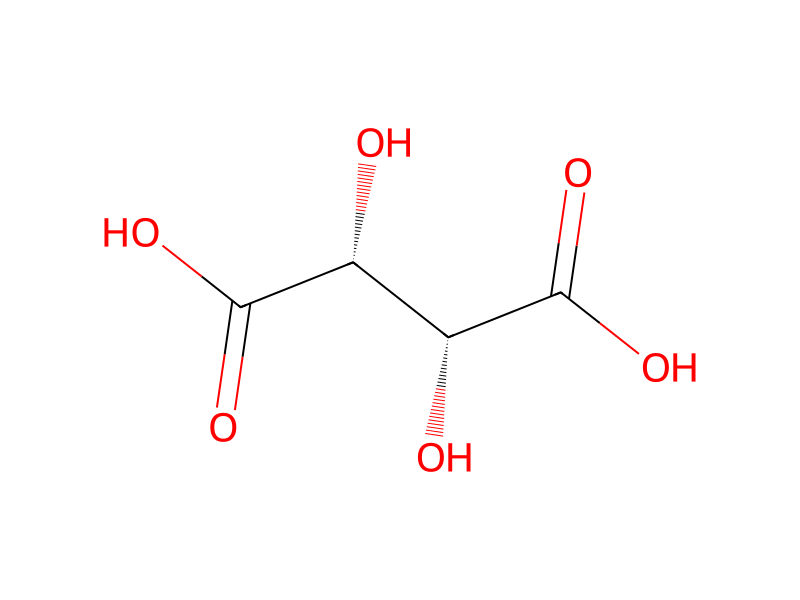
HCID 5238Sodium IodideHCID 14798Sodium HydroxideHCID 444305L-Tartaric acidHCID 12051756HCID 12051756, compoundHCID 12230324Methyl 2-methyl-1H-indole-5-carboxylate

Product 1

HCID 219383553-((4-Chloroisoquinolin-3-yl)methyl)-5-(methoxycarbonyl)-2-methylindole
Yield 19.2%

Reagents, catalysts & solvents 2

HCID 962WaterSolventHCID 312751,4-DioxaneSolvent2×

Conditions

Temperature
100 °C

Procedure

To a mixture of L-tartaric acid (0.600 g), sodium hydroxide (0.160 g), 1,4-dioxane (4 ml) and water (4 ml), added are sodium iodide (0.15 g) and 5-(methoxycarbonyl)-2-methylindole (0.378 g). Then, a 1,4-dioxane (2 ml) solution of 4-chloro-3-(chloromethyl)isoquinoline (0.50 g) is added thereto, and stirred at 100° C. for 56 hours. The reaction mixture is concentrated, and water is added to the residue, which is then extracted with ethyl acetate. The organic layer is dried and concentrated, and the resulting residue is purified through silica gel column chromatography to obtain 3-((4-chloroisoquinolin-3-yl)methyl)-5-(methoxycarbonyl)-2-methylindole (69) (0.14 g).

Workup

  1. additionadded
  2. concentrationThe reaction mixture is concentrated
  3. additionwater is added to the residue, which
  4. extractionis then extracted with ethyl acetate
  5. customThe organic layer is dried
  6. concentrationconcentrated
  7. customthe resulting residue is purified through silica gel column chromatography

Sources & evidence

ORD record
ord-22de299cfca44416a9bcedf073ef7cdd
Source dataset
uspto-grants-2006_10
DOI
10.6084/m9.figshare.5104873.v1
Patent number
US07115647B2

Reaction notes

On this pageParticipantsConditionsProcedureWorkupSources & evidenceReaction notes