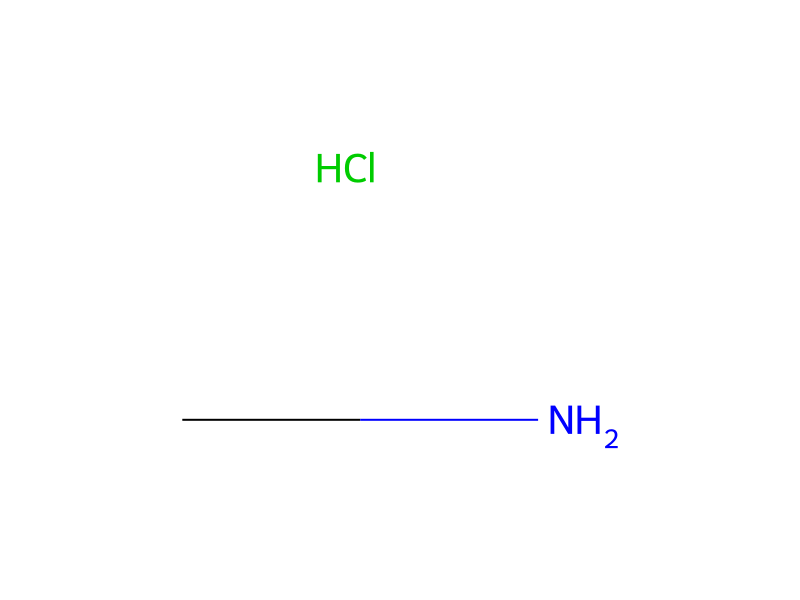
[F:1][C:2]1[CH:3]=[C:4]([CH:22]=[CH:23][CH:24]=1)[CH2:5][O:6][C:7]1[CH:12]=[CH:11][C:10]([N:13]2[C:17](=[O:18])[CH2:16][C@H:15]([C:19](O)=[O:20])[CH2:14]2)=[CH:9][CH:8]=1.[CH2:25]([N:27](CC)CC)C.CN(C(ON1N=NC2C=CC=CC1=2)=[N+](C)C)C.F[P-](F)(F)(F)(F)F.Cl.CN>CN(C)C=O.C(Cl)Cl>[CH3:25][NH:27][C:19]([C@@H:15]1[CH2:16][C:17](=[O:18])[N:13]([C:10]2[CH:11]=[CH:12][C:7]([O:6][CH2:5][C:4]3[CH:22]=[CH:23][CH:24]=[C:2]([F:1])[CH:3]=3)=[CH:8][CH:9]=2)[CH2:14]1)=[O:20]A solution of 0.339 g (1.03 mmol) of (S)-1-[4-(3-fluoro-benzyloxy)-phenyl]-5-oxo-pyrrolidine-3-carboxylic acid in 21 ml of N,N-dimethylformamide, cooled to 0° C., is treated consecutively with 0.15 ml (1.13 mmol) of triethylamine, 0.390 g (1.03 mmol) of HBTU, 0.085 g (1.24 mmol) of methylamine hydrochloride, and 0.15 ml (1.13 mmol) of triethylamine. The reaction is stopped after 30 min and the orange colored solution is evaporated under reduced pressure. The residue obtained is triturated in ethyl acetate, the white solid product is filtered, thereafter dissolved in dichloromethane and the solution washed three times with water. The organic phase is dried over sodium sulfate, then evaporated under reduced pressure to yield 231 mg (66% of theory) of a white solid. MS: m/e=343 (M+H)+; [α]589=−25.48° (c=0.954, CH2Cl2).