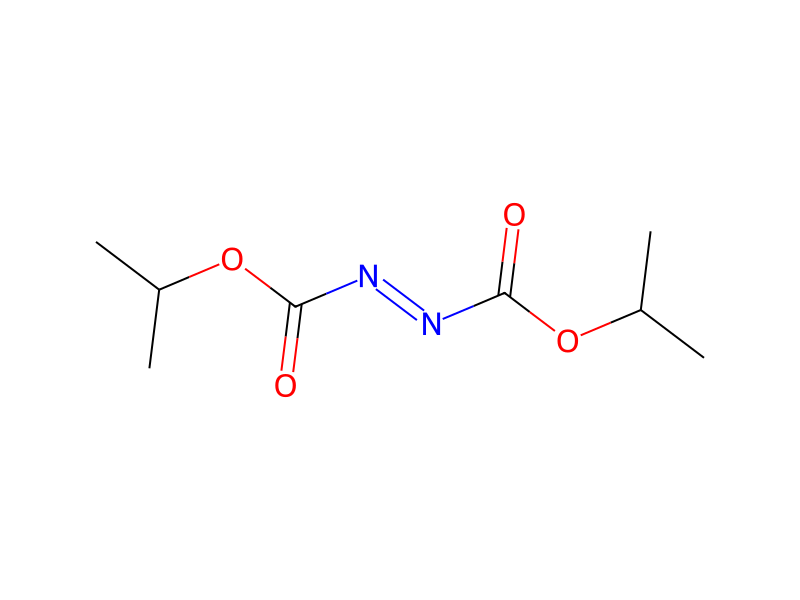
1-tert-Butyloxycarbonyl-3-hydroxypyrrolidine (1 g), 2-bromophenol (710 mg) and triphenylphosphine (1.29 g) were dissolved in tetrahydrofuran (15 ml) and the mixture cooled in an ice bath before dropwise addition of diisopropyl azodicarboxylate (0.96 ml). The mixture was allowed to warm to room temperature over 3 h, concentrated in vacuo, partitioned between ether (50 ml) and water (50 ml) and the aqueous phase was extracted further with ether (50 ml). The combined organic phases were washed with water (2×25 ml), brine (2×25 ml), dried (MgSO4) and concentrated in vacuo. The product was dissolved in dichloromethane (10 ml) and trifluoroacetic acid (5 ml) was added and the reaction stirred for 1 h. The mixture was concentrated in vacuo and the residue was purified by cation exchange chromatography eluting with ammonia/methanol/dichloromethane mixtures. This gave the title compound as a pale orange oil (437 mg).