Reaction equation

[C:1]([N:4]1[CH2:9][CH2:8][NH:7][CH2:6][CH2:5]1)(=[O:3])[CH3:2].[Cl:10][C:11]1[CH:16]=[C:15]([CH2:17]Cl)[CH:14]=[CH:13][N:12]=1.C([O-])([O-])=O.[K+].[K+]>CN(C=O)C>[Cl:10][C:11]1[CH:16]=[C:15]([CH2:17][N:7]2[CH2:8][CH2:9][N:4]([C:1](=[O:3])[CH3:2])[CH2:5][CH2:6]2)[CH:14]=[CH:13][N:12]=1Participants
5
Reactant 3

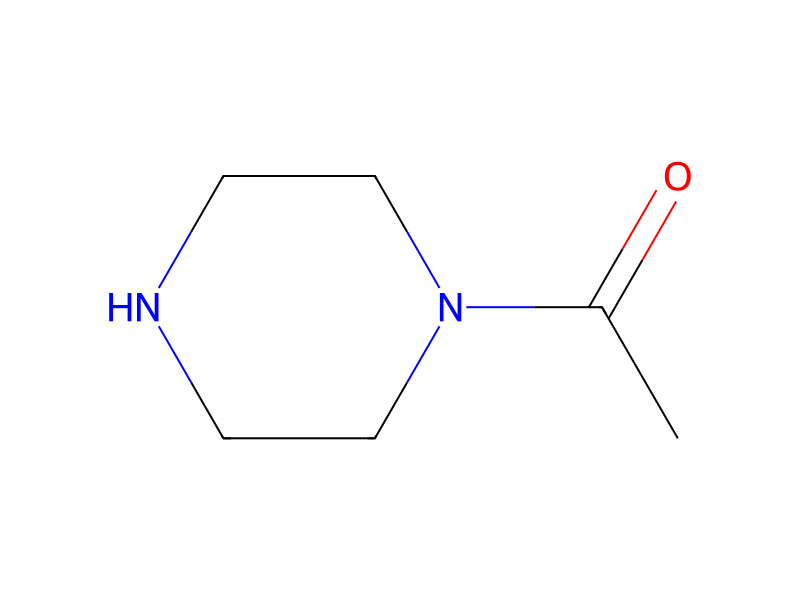

Product 1

Reagents, catalysts & solvents 1

Procedure
N-Acetylpiperazine (1.0 equiv) was mixed with compound 2-chloro-4-(chloro-methyl)pyridine (1.0 equiv) and K2CO3 (4 equiv) in DMF. The mixture was stirred for 1 h at rt. After removing most of the solvent, the residue was partitioned in water and EtOAc. The organic layer was separated, dried over anhydrous Na2SO4, and evaporated in vacuo. The residue was purified by flash chromatography to give the title compound as a solid.
Workup
- customAfter removing most of the solvent
- customthe residue was partitioned in water
- customThe organic layer was separated
- dry with materialdried over anhydrous Na2SO4
- customevaporated in vacuo
- customThe residue was purified by flash chromatography
Sources & evidence
- ORD record
- ord-99434ad2b24e4ade9640c921364c5de3
- Source dataset
- uspto-grants-2013_06
- Patent number
- US08461339B2
Linked notes
Loading…