Reaction equation

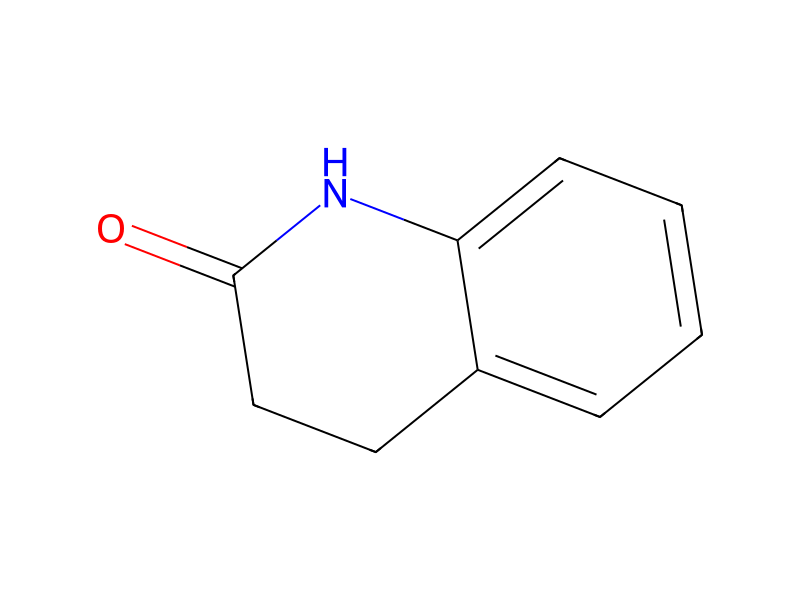
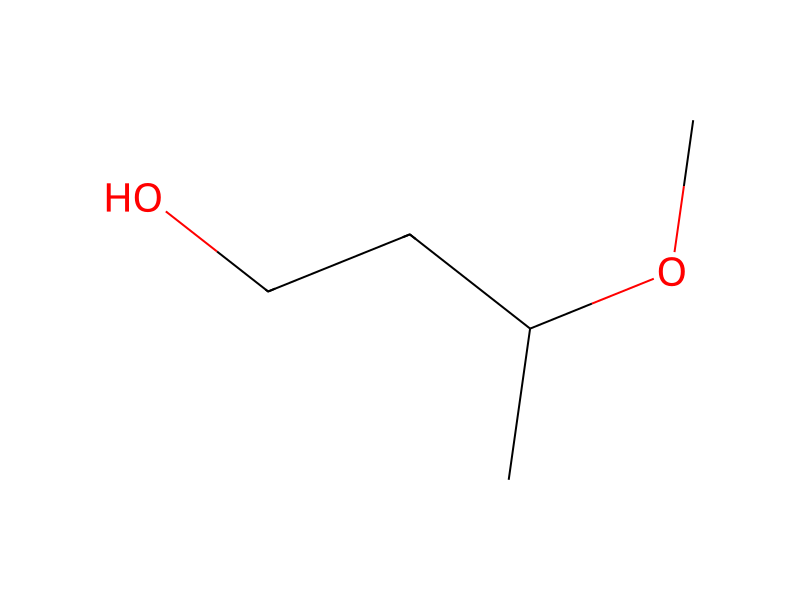
OC([C:12]1[CH:13]=[C:14]2[C:19](=[CH:20][CH:21]=1)[NH:18][C:17](=[O:22])[CH2:16][CH2:15]2)C(N1CCNCC1)CC.BrC1C=CC(N[N+]([O-])=O)=CC=1.C(=O)([O-])[O-].[K+].[K+]>COC(C)CCO.[Cu]>[NH:18]1[C:19]2[C:14](=[CH:13][CH:12]=[CH:21][CH:20]=2)[CH2:15][CH2:16][C:17]1=[O:22]Participants
6




Procedure
5.0 Grams of 6-(1-hydroxy-2-piperazinylbutyl)-3,4-dihydrocarbostyril, 3.5 g of p-bromonitroaniline, 1.8 g of potassium carbonate and 0.2 g of copper powder were mixed in 60 ml of 3-methoxybutanol and refluxed by heating for 5 hours. The reaction mixture was filtered and the mother liquid was concentrated by distillation under a reduced pressure to dryness. The residue thus obtained was extracted with methanol-chloroform and the solvent was removed by distillation to obtain a residue. The residue was purified and separated by a preparative silica-gel thin layer chromatograph to obtain 0.21 g of 6-{1-hydroxy-2-[4-nitrophenyl)-piperazinyl]butyl}-3,4-dihydrocarbostyril in yellow powdery crystals.
Workup
- temperaturerefluxed
- temperatureby heating for 5 hours
- filtrationThe reaction mixture was filtered
- concentrationthe mother liquid was concentrated by distillation under a reduced pressure to dryness
- customThe residue thus obtained
- extractionwas extracted with methanol-chloroform
- customthe solvent was removed by distillation
- customto obtain a residue
- customThe residue was purified
- customseparated by a preparative silica-gel thin layer chromatograph
Sources & evidence
- ORD record
- ord-e0019cbf79744787b95f9a8c4d7fee10
- Source dataset
- uspto-grants-1984_06
- Patent number
- US04455422
Linked notes
Loading…