Reaction equation

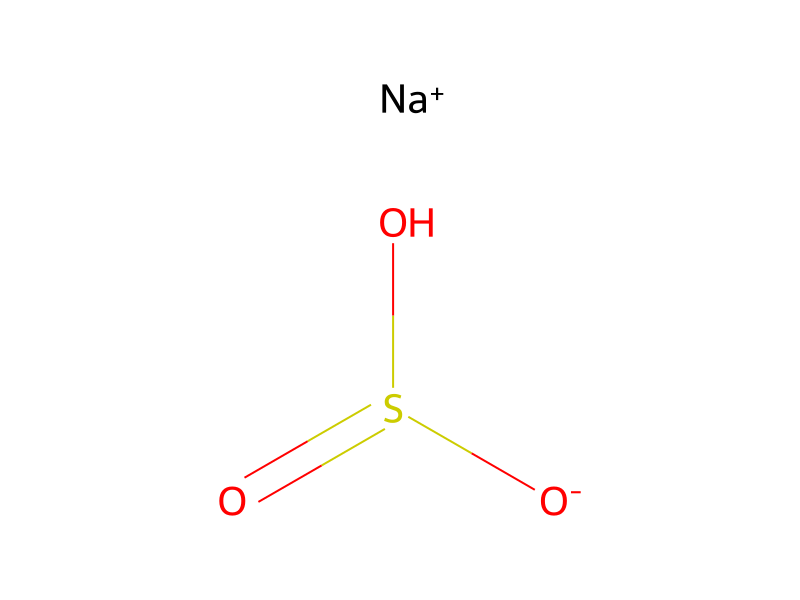
[C:1]1(=[O:19])[N:5]([CH2:6][CH2:7][CH2:8][CH2:9][CH2:10][C:11]([OH:13])=[O:12])[C:4](=[O:14])[C:3]2=[CH:15][CH:16]=[CH:17][CH:18]=[C:2]12.[Br:20]Br.S(=O)(O)[O-].[Na+].C(=O)(O)[O-].[Na+]>O>[Br:20][CH:10]([CH2:9][CH2:8][CH2:7][CH2:6][N:5]1[C:4](=[O:14])[C:3]2=[CH:15][CH:16]=[CH:17][CH:18]=[C:2]2[C:1]1=[O:19])[C:11]([OH:13])=[O:12]Participants
6





Procedure
Combine 6-phthalimidohexanoic acid (12.7 g, 48 mmol) and dry red phosphorous (1.95 g, 63 mmol). Cool in an ice bath and add dropwise bromine (12.7 mL, 246 mmol). Warm to room temperature and then heat to 80° C. After 3 hours, cool the reaction mixture to ambient temperature, pour into water (300 mL) containing sodium bisulfite, and neutralize using solid sodium bicarbonate and extract with diethyl ether (about 150 mL). Acidify the aqueous layer with concentrated hydrochloric acid give a solid. Collect the solid by filtration and dry to give the title compound (15 g, 91.5% yield, 73.2% for both steps).
Workup
- temperatureCool in an ice bath
- temperatureheat to 80° C
- temperaturecool the reaction mixture to ambient temperature
- extractionextract with diethyl ether (about 150 mL)
- customgive a solid
- customCollect the solid
- filtrationby filtration
- customdry
Sources & evidence
- ORD record
- ord-4045474ca86c426ca220798070e2b6ac
- Source dataset
- uspto-grants-2003_04
- Patent number
- US06544980B2
Linked notes
Loading…