HomeMCPWorkbenchSkills
HomeWorkbenchNotificationsMe
llms.txt · MCP GuidePrivacy Policy · Terms of Service · Supportv1.8.3
  1. Home
  2. /Reaction

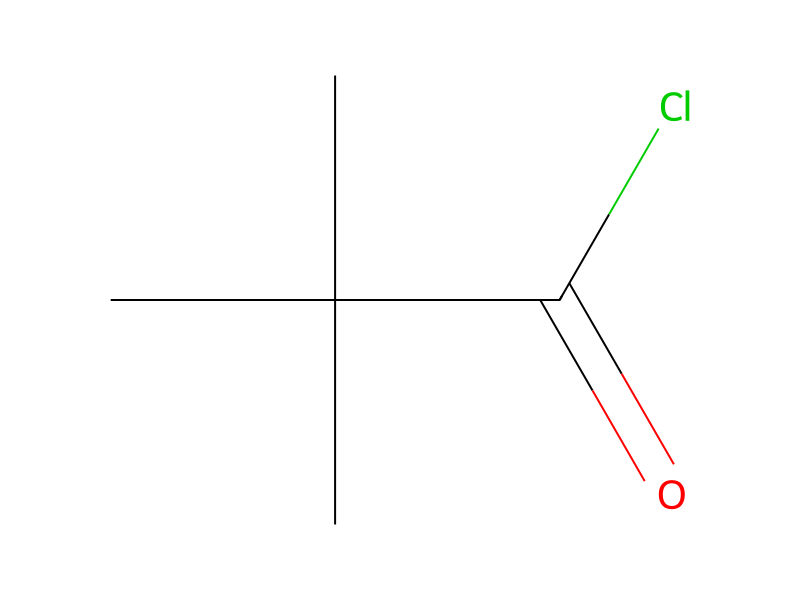
Pivaloyl chloride → N-[2-(4-Phenylethynylbenzamido)benzenesulfonyl]pivalamide

HRID 1268135
Print

Reaction equation

HRID 1268135 reaction equation
[C:1](Cl)(=[O:6])[C:2]([CH3:5])([CH3:4])[CH3:3].[C:8]1([C:14]#[C:15][C:16]2[CH:34]=[CH:33][C:19]([C:20]([NH:22][C:23]3[CH:28]=[CH:27][CH:26]=[CH:25][C:24]=3[S:29](=[O:32])(=[O:31])[NH2:30])=[O:21])=[CH:18][CH:17]=2)[CH:13]=[CH:12][CH:11]=[CH:10][CH:9]=1>CN(C)C1C=CN=CC=1.O1CCCC1>[C:8]1([C:14]#[C:15][C:16]2[CH:34]=[CH:33][C:19]([C:20]([NH:22][C:23]3[CH:28]=[CH:27][CH:26]=[CH:25][C:24]=3[S:29]([NH:30][C:1](=[O:6])[C:2]([CH3:5])([CH3:4])[CH3:3])(=[O:31])=[O:32])=[O:21])=[CH:18][CH:17]=2)[CH:9]=[CH:10][CH:11]=[CH:12][CH:13]=1
ParticipantsProcedureWorkupSources & evidenceReaction notes

Participants

5

Reactant 2

HCID 62493Pivaloyl chlorideHCID 120430434-Phenylethynyl-N-(2-sulfamoylphenyl)benzamide

Product 1

HCID 12972895N-[2-(4-Phenylethynylbenzamido)benzenesulfonyl]pivalamideYield 73.7%

Reagents, catalysts & solvents 2

HCID 142844-(Dimethylamino)pyridineCatalystHCID 8028Tetrahydrofuran
Solvent

Procedure

In a stream of nitrogen and at 0° C., 0.16 ml (1.31 mmol) of pivaloyl chloride was added to an anhydrous tetrahydrofuran (10 ml) solution containing 400 mg (1.06 mmol) of 4-phenylethynyl-N-(2-sulfamoylphenyl)benzamide produced in Reference Example 10 and 260 mg (2.12 mmol) of 4-dimethylaminopyridine, the mixture was stirred at room temperature for 1 hour and then the solvent was evaporated under a reduced pressure. The resulting residue was dissolved in ethyl acetate, washed with water, a potassium hydrgensulfate aqueous solution and saturated brine in that order and dried over anhydrous sodium sulfate, and then the solvent was evaporated under a reduced pressure. The resulting residue was purified by a silica gel column chromatography to obtain 360 mg (yield: 73.0%) of the title compound.

Workup

  1. customthe solvent was evaporated under a reduced pressure
  2. dissolutionThe resulting residue was dissolved in ethyl acetate
  3. washwashed with water
  4. dry with materiala potassium hydrgensulfate aqueous solution and saturated brine in that order and dried over anhydrous sodium sulfate
  5. customthe solvent was evaporated under a reduced pressure
  6. customThe resulting residue was purified by a silica gel column chromatography

Sources & evidence

ORD record
ord-bf4227937a6d4926ad9478f905888994
Source dataset
uspto-grants-2003_04
DOI
10.6084/m9.figshare.5104873.v1
Patent number
US06555584B1

Reaction notes

On this pageParticipantsProcedureWorkupSources & evidenceReaction notes