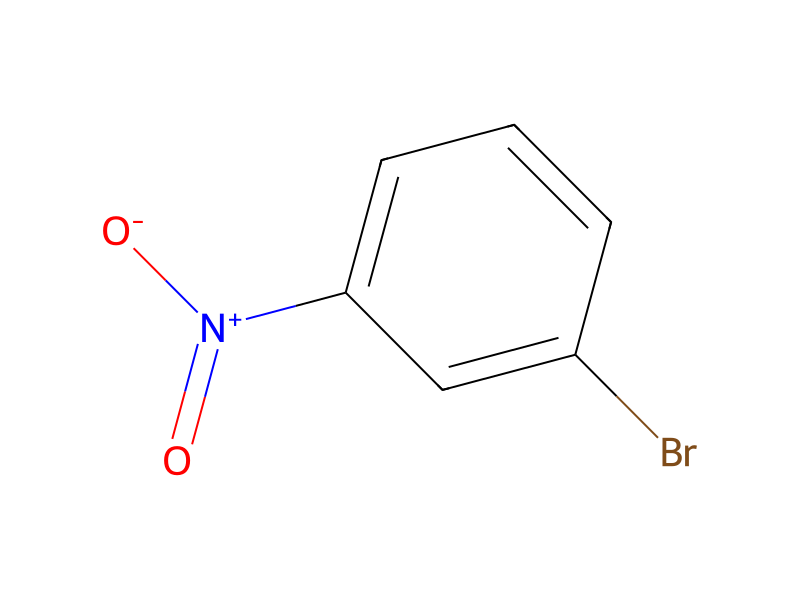
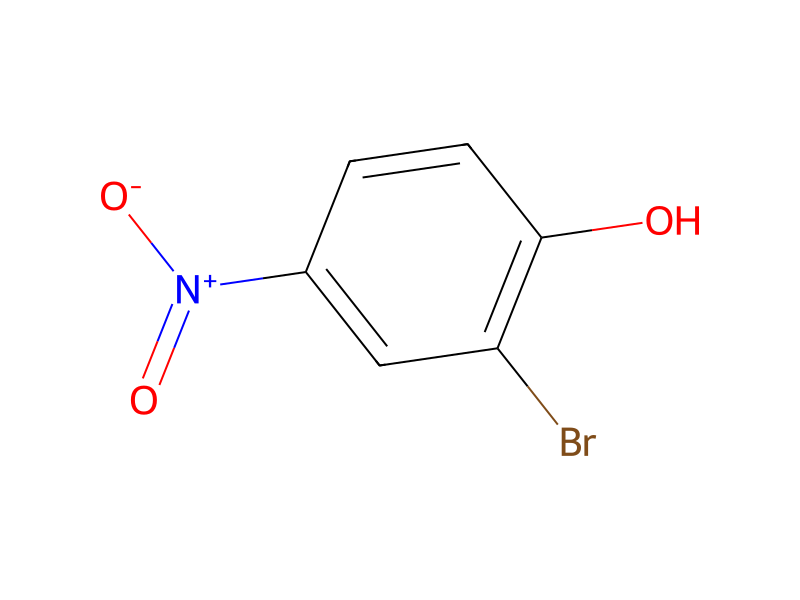
Benzene, 1-bromo-3-nitro- → Tert-butyl 4-(2-bromo-4-nitrophenoxy)piperidine-1-carboxylate
HRID 1268198
Reaction equation

[C:1]([O:5][C:6]([N:8]1[CH2:13][CH2:12][CH:11]([OH:14])[CH2:10][CH2:9]1)=[O:7])([CH3:4])([CH3:3])[CH3:2].[Br:15][C:16]1[CH:17]=[C:18]([N+:23]([O-:25])=[O:24])[CH:19]=[CH:20][C:21]=1O.BrC1C=C([N+]([O-])=O)C=CC=1.C1(P(C2C=CC=CC=2)C2C=CC=CC=2)C=CC=CC=1.N(C(OCC)=O)=NC(OCC)=O>ClCCl>[Br:15][C:16]1[CH:17]=[C:18]([N+:23]([O-:25])=[O:24])[CH:19]=[CH:20][C:21]=1[O:14][CH:11]1[CH2:12][CH2:13][N:8]([C:6]([O:5][C:1]([CH3:4])([CH3:2])[CH3:3])=[O:7])[CH2:9][CH2:10]1