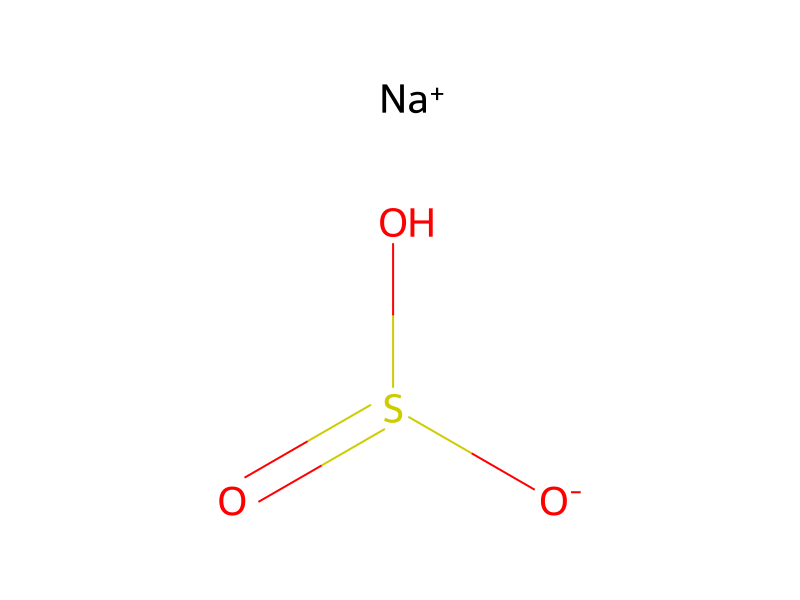
[CH2:1]([N:3]1[C:7]([OH:8])=[C:6]([C:9]([C:11]2[CH:12]=[C:13]3[C:18](=[CH:19][CH:20]=2)S[CH2:16][CH2:15][C:14]3=[O:21])=[O:10])[CH:5]=[N:4]1)[CH3:2].OO.C(O)(=O)C.[S:28]([O-:31])(O)=[O:29].[Na+]>O>[CH2:1]([N:3]1[C:7]([OH:8])=[C:6]([C:9]([C:11]2[CH:12]=[C:13]3[C:18](=[CH:19][CH:20]=2)[S:28](=[O:31])(=[O:29])[CH2:16][CH2:15][C:14]3=[O:21])=[O:10])[CH:5]=[N:4]1)[CH3:2]1.0 Gram (3.31 mmol) of 6-(1-ethyl-5-hydroxypyrazol-4-yl)carbonylthiochroman-4-one and 0.83 g (7.28 mmol) of a 30 wt % hydrogen peroxide aqueous solution were added to 3 ml of glacial acetic acid, and then stirred under heat of 60° C. for 2.5 hours. While the reaction mixture was cooled in an ice bath after allowed to cool, a 1 wt % sodium hydrogensulfite aqueous solution was added to decompose excess hydrogen peroxide, and then the reaction mixture was diluted with water. A precipitated solid was extracted with ethyl acetate. An organic layer was washed with water and then with a saturated sodium chloride aqueous solution once, and dried over anhydrous sodium sulfate. The solvent was distilled off under reduced pressure to give 1.11 g (yield: quantitative) of the titled compound. Table 24 shows the physical property data of the titled compound.