N-(3-Acetylthio-2-methylpropanoyl)-N-(cyclopropyl)glycine t-butyl ester → N-(3-Acetylthio-2-methylpropanoyl)-N-(cyclopropyl)glycine
HRID 127613
Reaction equation

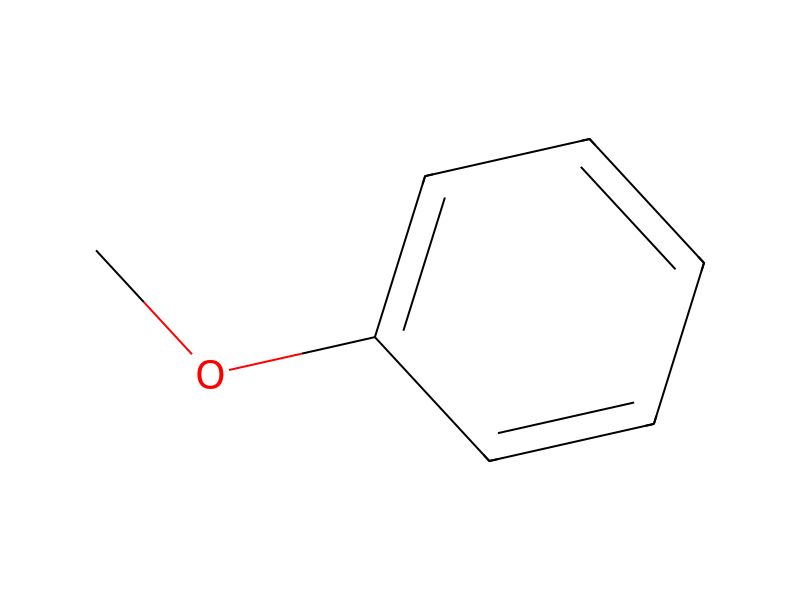
C([O:5][C:6](=[O:21])[CH2:7][N:8]([C:12](=[O:20])[CH:13]([CH3:19])[CH2:14][S:15][C:16](=[O:18])[CH3:17])[CH:9]1[CH2:11][CH2:10]1)(C)(C)C>C1(OC)C=CC=CC=1.FC(F)(F)C(O)=O>[C:16]([S:15][CH2:14][CH:13]([CH3:19])[C:12]([N:8]([CH:9]1[CH2:10][CH2:11]1)[CH2:7][C:6]([OH:21])=[O:5])=[O:20])(=[O:18])[CH3:17]Participants
4


Procedure
Crude N-(3-acetylthio-2-methylpropanoyl)-N-(cyclopropyl)glycine t-butyl ester (19.5 g, 0.0619 mol) was dissolved in a mixture of anisole (50 ml) and trifluoroacetic acid (250 ml). The resulting red solution was stirred for one and a half hours at room temperature. The solvent was evaporated and the residue was distributed between ethyl acetate and saturated sodium bicarbonate. The aqueous sodium bicarbonate layer was acidified cautiously with concentrated hydrochloric acid to pH 4-5. The precipitated product was extracted into chloroform and washed twice with water. The organic phase was dried over magnesium sulfate, filtered and evaporated to give initially a colorless oil which was crystallized from diethyl ether to afford colorless crystals (9.7 g, 61%), m.p. 86°-88°. The dicyclohexylamine (DCHA) salt was prepared in ether to afford colorless crystals, m.p. 68°-70°.