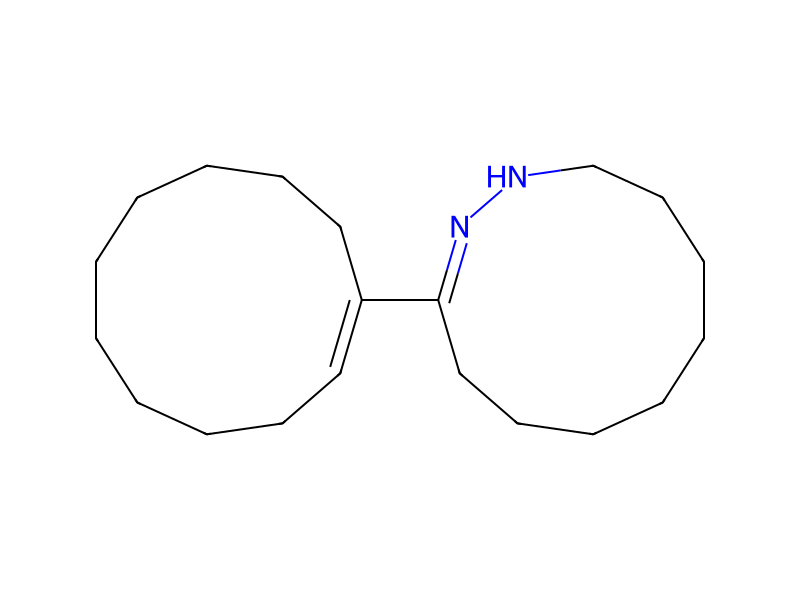
[CH2:1]([O:8][CH:9]1[CH2:12][C:11]([CH:21](O)[CH2:22][C:23]([O:25][CH2:26][CH3:27])=[O:24])([NH:13][C:14]([O:16][C:17]([CH3:20])([CH3:19])[CH3:18])=[O:15])[CH2:10]1)[C:2]1[CH:7]=[CH:6][CH:5]=[CH:4][CH:3]=1.CS(Cl)(=O)=O.C(N(CC)CC)C.C1(C2CCCCCCCCCC=2)CCCCCCCCNN=1.[Cl-].[NH4+]>ClCCl.C(OCC)(=O)C>[CH2:1]([O:8][CH:9]1[CH2:12][C:11](/[CH:21]=[CH:22]/[C:23]([O:25][CH2:26][CH3:27])=[O:24])([NH:13][C:14]([O:16][C:17]([CH3:19])([CH3:20])[CH3:18])=[O:15])[CH2:10]1)[C:2]1[CH:7]=[CH:6][CH:5]=[CH:4][CH:3]=1A 35.61 g (90.50 mmol) portion of ethyl 3-[1-benzyloxy-3-(tert-butoxycarbonylamino)cyclobutan-3-yl]-3-hydroxypropionate was dissolved in 200 ml of dichloromethane to which, while cooling in an ice bath with stirring, were subsequently added 9.050 ml (116.9 mmol) of methanesulfonyl chloride and 37.24 ml (267.2 mmol) of triethylamine in that order. After 2 hours of stirring, to this was added 30.60 ml (204.6 mmol) of diazabicycloundecene. After 1 hour of stirring, the ice bath was detached and the reaction mixture was stirred at room temperature for 2 hours. While cooling in an ice bath with stirring, this was mixed with saturated ammonium chloride aqueous solution and then with ethyl acetate to effect separation of layers. The resulting organic layer was washed with 10% citric acid aqueous solution and then with saturated brine. After extraction of the aqueous layer with ethyl acetate, the organic layer was dried over anhydrous sodium sulfate. After filtration, the solvent was evaporated under a reduced pressure and the resulting residue was purified by a silica gel column chromatography to give 31.07 g (91.4%) of the title compound.