HomeMCPWorkbenchSkills
HomeWorkbenchNotificationsMe
llms.txt · MCP GuidePrivacy Policy · Terms of Service · Supportv1.8.3
  1. Home
  2. /Reaction

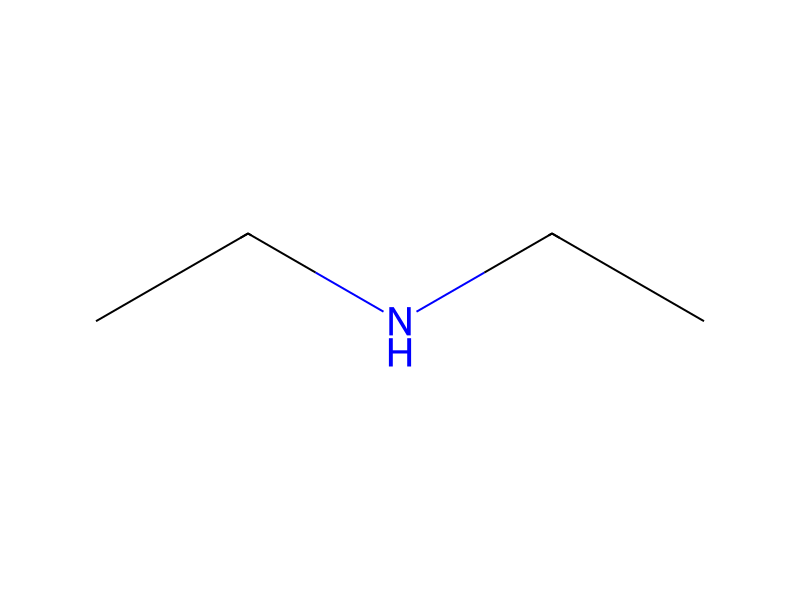
Diethylamine → N,N-diethylglycylglycineanilide

HRID 1283943
Print

Reaction equation

HRID 1283943 reaction equation
Cl[CH2:2][C:3]([NH:5][CH2:6][C:7]([NH:9][C:10]1[CH:15]=[CH:14][CH:13]=[CH:12][CH:11]=1)=[O:8])=[O:4].[CH2:16]([NH:18][CH2:19][CH3:20])[CH3:17].Cl.C(NCC)C>C1C=CC=CC=1.CCOCC>[CH2:16]([N:18]([CH2:19][CH3:20])[CH2:2][C:3]([NH:5][CH2:6][C:7]([NH:9][C:10]1[CH:15]=[CH:14][CH:13]=[CH:12][CH:11]=1)=[O:8])=[O:4])[CH3:17]
ParticipantsProcedureWorkupSources & evidenceReaction notes

Participants

6

Reactant 3

HCID 8021DiethylamineHCID 10197650Diethylammonium chlorideHCID 20300492Chloroacetylglycineanilide

Product 1

HCID 21516970N,N-diethylglycylglycineanilide

Reagents, catalysts & solvents 2

HCID 241BenzeneSolventHCID 3283Diethyl Ether
Solvent

Procedure

A solution of chloroacetylglycineanilide (10.0 g; 0.0443 mole) and diethylamine (9.7 g; 0.133 mole) in benzene (125 ml) was heated under reflux for 5 hours. The solution was cooled and diluted with ether (125 ml) whereby a crystalline mixture of diethylamine hydrochloride and N,N-diethylglycylglycineanilide (as base) was obtained. The mixture was shaken with cold water (2 × 100 ml) and the crystalline residue was recrystallized from water-isopropanol. The desired compound melted at 162°-164°C. Yield: 2.6 g (22.3 %).

Workup

  1. temperatureunder reflux for 5 hours
  2. temperatureThe solution was cooled

Sources & evidence

ORD record
ord-4220852775e748819fc7d10015bdf622
Source dataset
uspto-grants-1976_08
DOI
10.6084/m9.figshare.5104873.v1
Patent number
US03976771

Reaction notes

On this pageParticipantsProcedureWorkupSources & evidenceReaction notes