HomeMCPWorkbenchSkills
HomeWorkbenchNotificationsMe
llms.txt · MCP GuidePrivacy Policy · Terms of Service · Supportv1.8.3
  1. Home
  2. /Reaction

Carbamic Acid → (s,s)-n-{1-[1-(5-Fluoro-2,3-dihydro-indol-1-ylmethyl)-3-ureido-propylcarbamoyl]-3-methyl-butyl}-3-methyl-benzamide

HRID 132140
Print

Reaction equation

HRID 132140 reaction equation
[F:1][C:2]1[CH:3]=[C:4]2[C:8](=[CH:9][CH:10]=1)[N:7]([CH2:11][C@@H:12]([NH:18][C:19](=[O:35])[C@@H:20]([NH:25][C:26](=[O:34])[C:27]1[CH:32]=[CH:31][CH:30]=[C:29]([CH3:33])[CH:28]=1)[CH2:21][CH:22]([CH3:24])[CH3:23])[CH2:13][CH2:14]C(O)=O)[CH2:6][CH2:5]2.C1(P(N=[N+]=[N-])(C2C=CC=CC=2)=O)C=CC=CC=1.C([N:55](CC)CC)C.[N-:60]=[C:61]=[O:62].C(=O)(O)N.[N-]=[N+]=[N-]>CC(O)(C)C>[F:1][C:2]1[CH:3]=[C:4]2[C:8](=[CH:9][CH:10]=1)[N:7]([CH2:11][C@@H:12]([NH:18][C:19]([C@@H:20]([NH:25][C:26](=[O:34])[C:27]1[CH:32]=[CH:31][CH:30]=[C:29]([CH3:33])[CH:28]=1)[CH2:21][CH:22]([CH3:23])[CH3:24])=[O:35])[CH2:13][CH2:14][NH:60][C:61]([NH2:55])=[O:62])[CH2:6][CH2:5]2

ParticipantsConditionsProcedureWorkupSources & evidenceReaction notes

Participants

8

Reactant 6

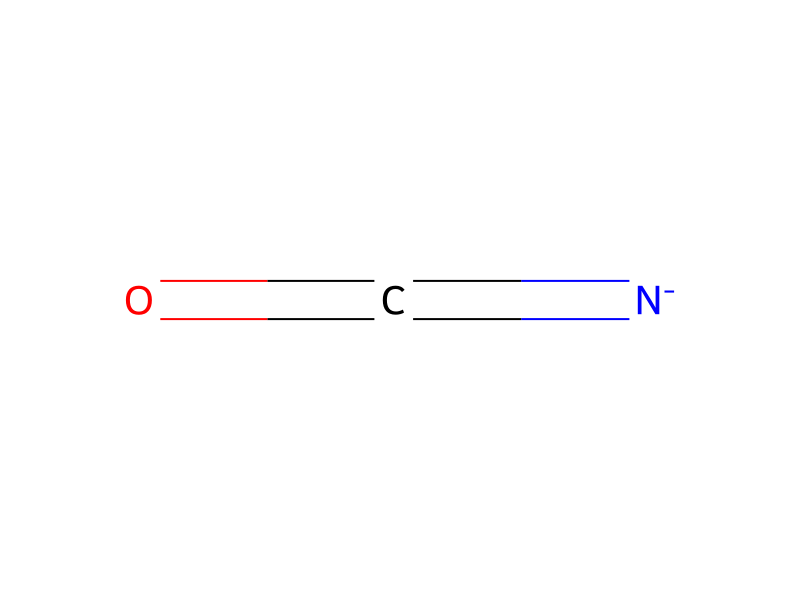
HCID 277Carbamic AcidHCID 8471TriethylamineHCID 33558AzideHCID 105034IsocyanateHCID 199401P,P-Diphenylphosphinic azideHCID 11386148(s,s)-5-(5-Fluoro-2,3-dihydro-indol-1-yl)-4-[4-methyl-2-(3-methyl-benzoylamino)-pentanoylamino]-pentanoic acid

Product 1

HCID 11283381(s,s)-n-{1-[1-(5-Fluoro-2,3-dihydro-indol-1-ylmethyl)-3-ureido-propylcarbamoyl]-3-methyl-butyl}-3-methyl-benzamideYield 20%

Reagents, catalysts & solvents 1

HCID 6386tert-ButanolSolvent

Conditions

Temperature
90 °C

Procedure

The title compound of Example 43 (58.8 mg, 121 μmol) was treated with tBuOH (2 mL), diphenylphosphoryl azide (70 mg, 254 μmol) and triethylamine (60 mg, 592 mmol). The reaction was heated at 90° C. for 3 hours and cooled to rt. HPLC-MS analysis indicated that the Curtius rearrangement had occurred, but that the intermediate isocyanate had been hydrolyzed to the carbamic acid and activated as the azide rather than being intercepted by the alcohol. The solvent was removed and the reaction was extractively worked up with ethyl acetate and water, dried over MgSO4 and rotary evaporated. The residue was treated with concentrated ammonia and allowed to stir overnight. The reaction was again extractively worked up and then chromatographed on silica gel using DCM an MeOH as eluent to afford the title material (12 mg, 20%); 1H NMR (CDCl3, 400 MHz) δ 0.88 (d, 3H, J=6.3), 0.91 (d, 3H, J=6.3), 1.55-1.80 (m, 4H), 1.85-1.95 (m, 1H), 2.37 (s, 3H), 2.90-3.03 (m, 3H), 3.06-3.26 (m, 2H), 3.37 (dd, 1H, J1=8.7, J2=17.1), 3.48-3.61 (m, 2H), 4.01-4.26 (m, 1H), 4.26-4.38 (m, 1H), 4.50 (dd, 1H, J1=7.7, J2=15.0), 6.00-6.20 (m, 1H), 6.49 (dd, 1H, J1=4.0, J2=8.4), 6.74 (ddd, 1H, J1=2.5, J2=J3=8.9), 6.78-6.83 (m, 1H), 7.16-7.20 (m, 1H), 7.23-7.37 (m, 3H), 7.50-7.57 (m, 2H).

Workup

  1. temperaturecooled to rt
  2. customThe solvent was removed
  3. dry with materialdried over MgSO4 and rotary evaporated
  4. additionThe residue was treated with concentrated ammonia
  5. customchromatographed on silica gel

Sources & evidence

ORD record
ord-ec7b61ff3efe4d9abdb1ea600d3d8620
Source dataset
uspto-grants-2008_06
DOI
10.6084/m9.figshare.5104873.v1
Patent number
US07384970B2

Reaction notes

On this pageParticipantsConditionsProcedureWorkupSources & evidenceReaction notes