Reaction equation

[CH3:1][O:2][C:3]([C:5]1[CH:6]=[N:7][CH:8]=[C:9]([OH:11])[CH:10]=1)=[O:4].C[Si]([N-][Si](C)(C)C)(C)C.[K+].F[C:23]1[CH:28]=[CH:27][C:26]([N+:29]([O-:31])=[O:30])=[CH:25][CH:24]=1.C(=O)([O-])[O-].[K+].[K+]>CN(C)C=O>[CH3:1][O:2][C:3]([C:5]1[CH:6]=[N:7][CH:8]=[C:9]([O:11][C:23]2[CH:28]=[CH:27][C:26]([N+:29]([O-:31])=[O:30])=[CH:25][CH:24]=2)[CH:10]=1)=[O:4]Participants
6
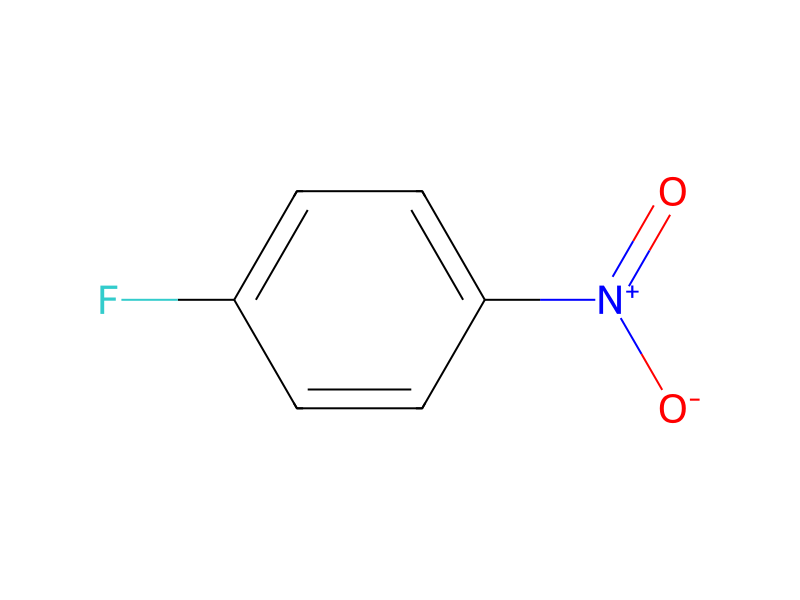


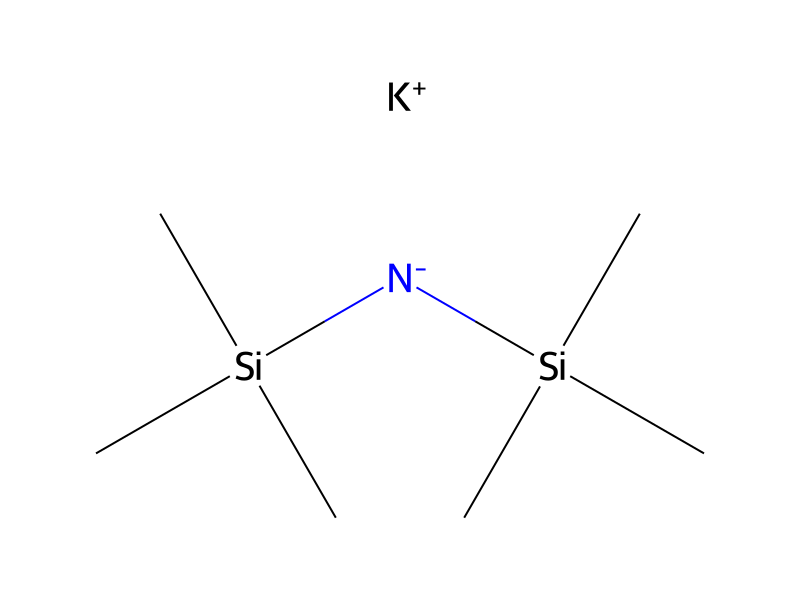


Conditions
- Temperature
- 80 °C
Procedure
The mixture containing methyl-5-hydroxypyridine-3-carboxylate (1 eq), Potassium bis(trimethylsilyl)amide (1.2 eq) was stirred in N,N-dimethylformamide for 2 hours at room temperature. To this mixture was added 1-fluoro-4-nitrobenzene (1.1 eq) and Potassium carbonate (1.2 eq) and stirred at 80° C. for 16 h. The reaction mixture was then concentrated and partitioned between ethyl acetate and water. The organic layer was separated and washed with brine, dried, filtered and concentrated in vacuum to give brown solid. Purification on silica gel methyl-5-(4-nitrophenoxy)pyridine-3-carboxylate. MS: MH+=274.
Workup
- concentrationThe reaction mixture was then concentrated
- custompartitioned between ethyl acetate and water
- customThe organic layer was separated
- washwashed with brine
- customdried
- filtrationfiltered
- concentrationconcentrated in vacuum
- customto give brown solid
- customPurification on silica gel methyl-5-(4-nitrophenoxy)pyridine-3-carboxylate
Sources & evidence
- ORD record
- ord-827bc1173d3441568cf390f6559fafd8
- Source dataset
- uspto-grants-2010_06
- Patent number
- US07728010B2
Linked notes
Loading…