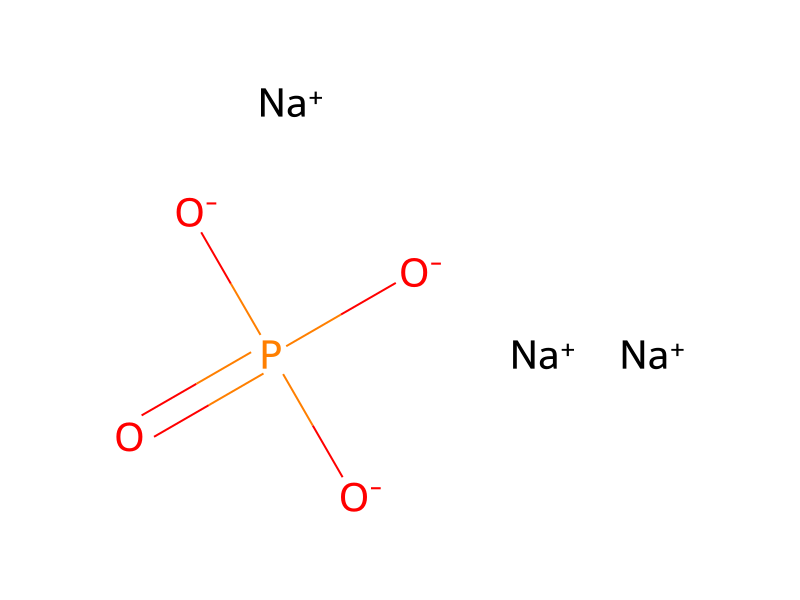
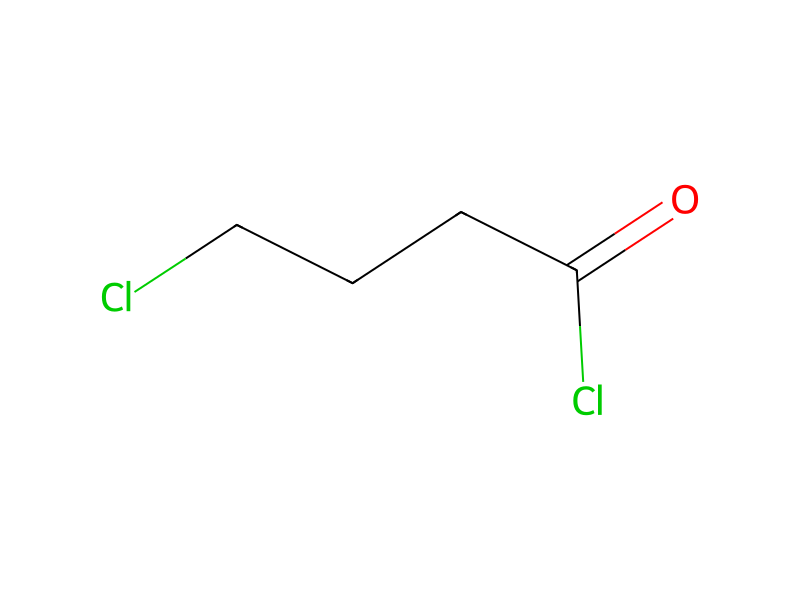
[N+:1]([C:4]1[CH:9]=[CH:8][C:7]([N:10]2[CH2:14][CH2:13][CH:12]([NH:15][C:16](=[O:22])OC(C)(C)C)[CH2:11]2)=[CH:6][CH:5]=1)([O-])=O.P([O-])([O-])([O-])=O.[Na+].[Na+].[Na+].Cl[CH2:32][CH2:33][CH2:34]C(Cl)=O.[OH-].[Na+]>C(#N)C.O>[NH2:1][C:4]1[CH:5]=[CH:6][C:7]([N:10]2[CH2:14][CH2:13][C@@H:12]([N:15]3[CH2:34][CH2:33][CH2:32][C:16]3=[O:22])[CH2:11]2)=[CH:8][CH:9]=1tert-Butyl [1-(4-Nitrophenyl)pyrrolidin-3-yl]carbamate was treated by method G. The crude product (1.4 g) was dissolved in acetonitrile (20 ml) and mixed with trisodium phosphate (0.67 g) and 4-chlorobutyryl chloride (1.1 g). After 2 hours, sodium hydroxide (0.6 g) in water (10 ml) was added and the mixture was vigorously stirred. After 12 hours, the same amount of sodium hydroxide solution was again added, and the mixture was stirred for a further 24 hours. The concentrated reaction solution was partitioned between water and-ethyl acetate, and the organic phase was dried and concentrated. The residue was hydrogenated by method B. This resulted in the product with the molecular weight of 245.33 (C14H19N3O); MS (ESI): 246 (M+H+).
Loading…