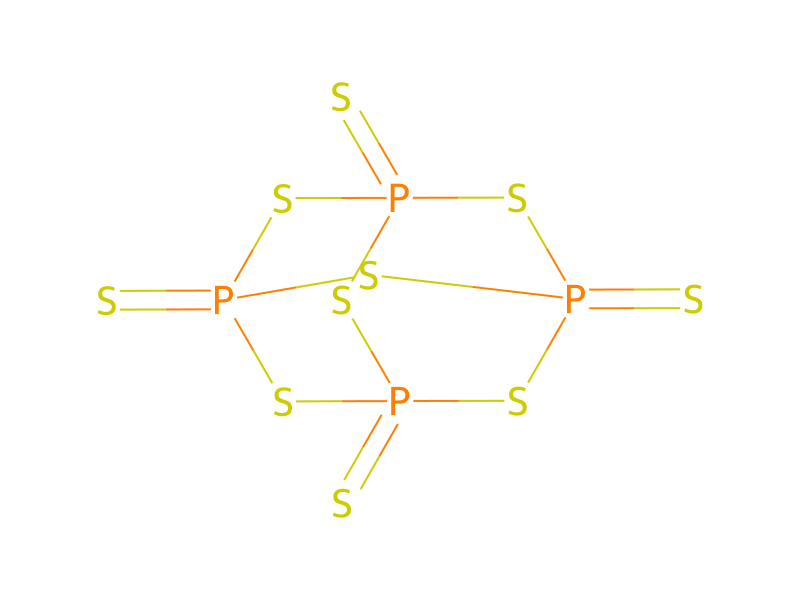
C(OCC)(=O)C(OCC)=O.COC1C=CC(N2CCOCC2)=CC=1N.C([O:28][C:29](=[O:47])[C:30]([NH:32][C:33]1[CH:38]=[C:37]([N:39]2[CH2:44][CH2:43][O:42][CH2:41][CH2:40]2)[CH:36]=[CH:35][C:34]=1[O:45][CH3:46])=O)C.P12(SP3(SP(SP(S3)(S1)=S)(=S)S2)=S)=[S:49]>C1(C)C(C)=CC=CC=1>[CH3:46][O:45][C:34]1[CH:35]=[CH:36][C:37]([N:39]2[CH2:44][CH2:43][O:42][CH2:41][CH2:40]2)=[CH:38][C:33]=1[NH:32][C:30](=[S:49])[C:29]([OH:28])=[O:47]In accordance with scheme 1, the compounds of formula I are prepared as follows: Diethyl oxalate (2) is heated to about 120° C. 2-Methoxy-5-morpholin-4-yl-phenylamine (1) is added very cautiously in small quantities and the mixture is heated for 90 minutes at about 180° C. After cooling to room temperature and filtration n-hexane is added. The resulting precipitate is collected by filtration. After washing with hexane and drying N-(2-methoxy-5-morpholin-4-yl-phenyl)-oxalamic acid ethyl ester (3) is obtained. Then, to the obtained compound of formula (3) in boiling xylene is added phosphorus pentasulfide in small portions over a period of about 30 minutes. The mixture is refluxed for about 5 hours, cooled to room temperature and filtered. The solution is extracted with 1N NaOH. The aqueous phase is washed with toluene, filtered, and treated at 0-5° C. with concentrated hydrochloric acid until pH 1 was reached. Filtration of the precipitate yielded (2-methoxy-5-morpholin-4-yl-phenylamino)-thioxo-acetic acid (4).
Loading…